The post How to Know If Your Website Redesign Was Worth It — Backed by Data appeared first on Ikonik Digital Agency | Digital Marketing & Web Development Agency | Jamaica.
]]>How to Measure the Success of Your Website Redesign
A website redesign offers an exciting opportunity to refresh your online presence, enhance the user experience, and ultimately drive better results. However, once the redesign is complete, how can you determine if it was truly successful? Measuring the success of a website redesign involves more than just admiring the new design—it requires tracking key metrics and analyzing user feedback to ensure that your updated website meets its objectives. This guide will help you evaluate the effectiveness of your website redesign.

1. Define Your Goals Before the Redesign
Why Setting Goals is Crucial
Before you can measure success, it’s essential to understand what you’re trying to achieve with your redesign. Having clearly defined goals will help you identify which metrics to track and evaluate. Common objectives for website redesigns include:
- Improving User Experience: Enhancing how users interact with the site.
- Increasing Conversions: Encouraging more visitors to take desired actions (e.g., signing up for newsletters, making a purchase).
- Reducing Bounce Rates: Encouraging users to engage with more pages rather than leaving quickly.
- Boosting Search Engine Rankings: Ensuring the website ranks higher for targeted keywords.
With these goals in mind, you can tailor your post-redesign measurements for maximum insight.

2. Key Metrics to Track After the Redesign
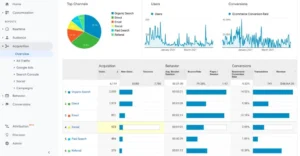
Bounce Rate: A Key Indicator of Engagement
Bounce rate refers to the percentage of visitors who leave your website after viewing only one page. A high bounce rate often signals problems with navigation, content relevancy, or slow loading speeds.
- Success Indicator: A well-designed website with improved navigation and engaging content should result in a lower bounce rate.
- Tools to Use: Google Analytics, Hotjar
Time on Page and Pages Per Session: Gauging User Engagement
These metrics tell you how long visitors stay on your website and how many pages they visit in a single session.
- Success Indicator: A user-friendly design and compelling content will increase both time on page and pages per session.
- Tools to Use: Google Analytics, Crazy Egg
Conversion Rate: The Bottom Line of Success
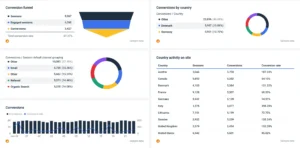
Conversions are the actions you want your users to take, such as completing a purchase or filling out a form. Whether it’s a lead generation form or a product sale, conversion rates are crucial in determining if the redesign has achieved its goals.
- Success Indicator: If your redesign focused on improving CTAs (calls-to-action) or simplifying the checkout process, you should see a higher conversion rate.
- Tools to Use: HubSpot, Google Analytics
Website Speed: Speed Matters
A slow-loading website can frustrate users and lead to high bounce rates. Plus, speed is a factor in search engine rankings.
- Success Indicator: The redesigned website loads faster, ideally within 2-3 seconds.
- Tools to Use: Google PageSpeed Insights, GTmetrix
Mobile Responsiveness: Optimizing for Mobile Traffic
In today’s digital world, mobile-first design is non-negotiable. Your website should work seamlessly across all devices to ensure a smooth user experience.
- Success Indicator: The redesigned site should have improved mobile metrics, including lower bounce rates and higher user engagement.
- Tools to Use: Google Mobile-Friendly Test, BrowserStack
Search Engine Rankings: Keep an Eye on SEO
Your redesign can impact SEO—both positively and negatively. It’s important to monitor keyword rankings to ensure your site maintains or improves its position in search engine results.
- Success Indicator: Improved rankings for targeted keywords and increased organic traffic.
- Tools to Use: SEMrush, Ahrefs, Google Search Console
User Feedback and Surveys: The Qualitative Side of Success
While data is critical, user feedback can provide valuable insights into how well your redesign meets your audience’s needs. Ask your users directly about their experience to gain deeper understanding.
- Success Indicator: Positive feedback about design appeal, ease of navigation, and functionality.
- How to Gather Feedback: Use tools like SurveyMonkey or integrate feedback forms into your website.
3. Compare Before-and-After Metrics
Why You Should Compare Your Pre- and Post-Redesign Data
To evaluate the true success of your redesign, compare your key metrics from before and after the redesign. Analyzing trends over similar timeframes helps you identify if changes in traffic, engagement, or conversions are directly related to the redesign.
Example:
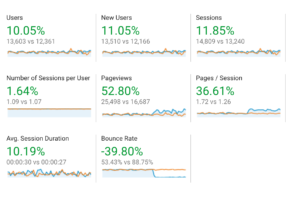
- Before Redesign: Bounce rate = 50%, Conversion rate = 2%
- After Redesign: Bounce rate = 35%, Conversion rate = 4%
These improvements show that the redesign positively impacted user behavior and engagement.

4. Monitor Heatmaps and User Behavior
Tracking User Interactions for Deeper Insights
Heatmaps and session recordings provide a visual representation of how users engage with your website. These tools help you understand where users are clicking, how far they scroll, and where they may be getting stuck in the user flow.
- Success Indicator: Increased engagement with important elements like CTAs and improved navigation paths.
- Tools to Use: Hotjar, Crazy Egg

5. Track KPIs Over Time
Success Doesn’t Happen Overnight
The impact of a website redesign isn’t always immediate. It’s essential to track your key performance indicators (KPIs) over the course of several months to spot long-term trends.
Examples of KPIs to Monitor:
- Lead generation rates
- Email sign-ups
- Customer retention rates
This data will give you a clearer picture of how your website continues to perform post-redesign.
6. Assess ROI: Is the Redesign Worth It?
Calculating the Return on Investment
A successful website redesign should generate a return on investment (ROI) that justifies the costs involved. To calculate ROI, compare the costs of the redesign with the additional value it generates.
ROI Formula:
ROI=(Net Profit from Redesign−Redesign CostsRedesign Costs)×100\text{ROI} = \left(\frac{\text{Net Profit from Redesign} – \text{Redesign Costs}}{\text{Redesign Costs}}\right) \times 100
For example, if your redesign cost $10,000 and resulted in $20,000 in additional revenue, your ROI would be 100%.
7. Common Redesign Pitfalls to Avoid
Watch Out for These Mistakes
Despite the best intentions, redesigns sometimes fall short of expectations. Be aware of these common pitfalls:
- SEO Issues: Losing search rankings due to poorly managed URL changes or neglected metadata.
- User Confusion: Introducing overly complex design changes that confuse users.
- Ignored Analytics: Failing to review pre-redesign data, which can provide valuable guidance.
By being aware of these potential issues, you can take steps to avoid them and ensure a smoother redesign process.

Final Thoughts: Measuring Redesign Success with Data
A website redesign represents a significant investment, and it’s essential to measure its success effectively. By tracking key metrics like bounce rates, conversions, and user feedback, you can assess whether your redesign achieved its intended goals and created tangible value for your business.
Looking to redesign your website with measurable results in mind? Contact Ikonik Digital today at [email protected] for a consultation and let’s create a website that delivers on every metric!
The post How to Know If Your Website Redesign Was Worth It — Backed by Data appeared first on Ikonik Digital Agency | Digital Marketing & Web Development Agency | Jamaica.
]]>The post From One Post to 10x Exposure: The Fastest Way to Grow with Content You Already Have appeared first on Ikonik Digital Agency | Digital Marketing & Web Development Agency | Jamaica.
]]>Maximizing Your Social Media Reach: How to Repurpose Content Effectively
Producing high-quality content consistently can be an overwhelming task for business owners and corporate executives alike. However, there’s a clever solution to make the most of the content you already have. Repurposing content allows you to extract more value from your original work without the need for constant creation of new materials.
Repurposing is one of the smartest strategies to increase your social media reach and engagement, especially when you’re working with limited resources. By turning existing content—like blog posts, videos, and even old social media content—into new and engaging formats, you can reach different segments of your audience across various platforms. Plus, you don’t have to reinvent the wheel each time. In this blog post, we’ll explore the art of repurposing content, offering practical tips on transforming blogs into posts, videos, infographics, and more.

man holding smart phone with social network icons in screen
Why Repurposing Content Matters
Repurposing content brings numerous benefits, especially when you’re looking to scale your content marketing efforts without burning out. Let’s dive into the key advantages of repurposing content.
1. Maximize ROI (Return on Investment)
When you invest time, effort, and resources into creating content, you want to make sure it pays off. Repurposing content is an efficient way to extend the life of your initial investment. By turning one piece of content into multiple formats, you get more mileage out of what you’ve already created.
2. Reach a Wider Audience
Different people consume content in different ways. Some prefer reading blogs, others enjoy watching videos, and some are more visually driven, responding best to infographics or images. Repurposing allows you to meet your audience where they are by presenting your content in formats that appeal to various preferences. This is a great way to reach a wider audience with minimal extra effort.
3. Save Time and Effort
Content creation can be time-consuming. But by repurposing content, you significantly reduce the time and energy spent brainstorming new ideas from scratch. Instead of constantly reinventing the wheel, you can simply transform your existing content into new formats, giving you more time to focus on other aspects of your business.
4. Boost SEO
Reusing content in different formats can also benefit your SEO efforts. Repurposing content allows you to create more backlinks, generate organic traffic, and increase your site’s visibility on search engines. Each new piece of content becomes an opportunity to drive traffic to your website and improve your rankings.

Social media business concept and marketing online technology digital network internet icon message connection on smartphone.
How to Repurpose Content: Ideas and Tips
Now that we’ve discussed the importance of repurposing content, let’s explore some creative ways to transform your existing materials into engaging formats that will maximize your social media reach.
1. Turn Blogs into Social Media Posts
Your blog posts are rich with valuable insights, but they may be too lengthy or detailed to share in their original format on social media. Break your blogs down into bite-sized pieces for platforms like Instagram, Facebook, LinkedIn, and Twitter.
Ideas:
- Pull Quotes or Key Takeaways: Extract insightful quotes, statistics, or actionable points from your blog and turn them into image-based posts. Adding visually appealing backgrounds or your branding can make them stand out.
- Create Carousel Posts: For platforms like Instagram and LinkedIn, break your blog’s key points into a carousel of slides. Each slide could represent a subheading, with a short and catchy explanation.
- Snippets & Teasers: Share snippets from your blog as teasers, encouraging your followers to visit your website for the full article. This works especially well for Facebook and Twitter.
- Discussion Posts: Use your blog’s content to start conversations. For example, if your blog covers a hot trend, ask your followers for their thoughts on it.
2. Transform Blog Posts into Video Content
Video is one of the most engaging forms of content on social media. Repurposing your written blog content into video not only caters to a wider audience but also helps reach those who prefer visual learning.
Ideas:
- Explainer Videos: Condense your blog into a short explainer video (1-2 minutes) that highlights the key points. Use tools like Animoto or Adobe Spark to create eye-catching videos.
- Voiceover with Visuals: If you’re camera-shy or short on time, you can record a voiceover of your blog while displaying related images, animations, or text on screen.
- YouTube Series: If your blog covers multiple points, turn it into a YouTube series. Each post can become an episode where you dive deeper into each topic.
- Live Stream Q&A: Use your blog as the basis for a live stream on Facebook, Instagram, or LinkedIn. Answer questions from your audience about the topic in real-time.
3. Create Infographics from Blog Data
Infographics are powerful tools for visually communicating complex information in a way that’s easy to understand. If your blog contains statistics, data points, or step-by-step instructions, turning it into an infographic is a great way to make the content more digestible.
Ideas:
- Statistical Infographics: If your blog features industry statistics or trends, create an infographic that visually represents the data. Tools like Canva or Venngage can help you design stunning infographics quickly.
- Process Flow Diagrams: If your blog outlines a process or guide, create a process flow infographic to visually map out the steps.
- Comparison Charts: If your blog compares options, products, or services, a comparison chart infographic can help make the information easier to understand.
4. Turn Blogs into Podcasts or Audio Snippets
Podcasts and audio content are perfect for audiences on the go. People listen to podcasts while commuting, working out, or during moments when they can’t read. Repurposing your blog into podcast episodes or audio snippets gives your audience another way to engage with your content.
Ideas:
- Podcast Episodes: Record your blog post as a podcast episode. You can add commentary or expand on the ideas in the original article. This works particularly well for a series of related blog posts on similar topics.
- Audiograms: For platforms like Instagram and Twitter, create audiograms. These are short audio snippets turned into shareable videos, making them an excellent tool for promoting podcasts or long-form content.
5. Repurpose Content for Email Newsletters
Transform your blog content into valuable email newsletter content. This not only helps you keep your subscribers engaged but also provides them with fresh insights.
Ideas:
- Summary Emails: Include a brief summary of your blog post in your email, with a link to the full article on your website. This encourages subscribers to engage with your content.
- Drip Campaigns: If your blog covers multiple topics, turn it into a drip campaign where subscribers receive different sections of the blog over time. This builds anticipation and keeps your audience coming back for more.
6. Create Interactive Social Media Stories
Social media stories on Instagram, Facebook, or LinkedIn are perfect for quick, engaging content. Use them to highlight the most important aspects of your blog post.
Ideas:
- Story Polls & Quizzes: Create polls or quizzes based on your blog content. For example, if your blog discusses trends, ask followers if they agree with the trends in a poll.
- Behind-the-Scenes: If your blog covers a specific process or tool, share behind-the-scenes stories showing how the topic comes to life in your business or how you use the tool in real-time.

Young man using modern tablet, Social media concept.
Conclusion: Maximize Your Content’s Potential
Repurposing content is one of the smartest ways to amplify your social media reach without the need for constant new material. By transforming your blog posts into videos, infographics, social media posts, podcasts, and more, you give your audience multiple opportunities to engage with your content in formats that suit their preferences.
At Ikonik Digital, we specialize in helping businesses maximize the reach and impact of their content. Whether you’re looking to create compelling social media posts, engaging videos, or high-quality infographics, our team has the expertise to take your content further.
Ready to amplify your social media strategy and repurpose your content like a pro? Get in touch with us today at [email protected] for strategy discussions, inquiries, and expert assistance.
By strategically repurposing your existing content, you’re not just saving time; you’re creating more opportunities for your business to grow and engage with a broader audience.
The post From One Post to 10x Exposure: The Fastest Way to Grow with Content You Already Have appeared first on Ikonik Digital Agency | Digital Marketing & Web Development Agency | Jamaica.
]]>The post Maximize Every Dollar: Proven Strategies to Allocate Your Social Media Budget for Real ROI appeared first on Ikonik Digital Agency | Digital Marketing & Web Development Agency | Jamaica.
]]>How to Plan a Social Media Budget for Maximum ROI in 2026 and Beyond
In today’s digital age, social media is one of the most powerful tools for reaching and engaging with your target audience. However, without a solid social media budget, even the best marketing strategies can fall flat. Without clear planning, you may end up wasting money on underperforming ads, irrelevant content, or platforms that don’t bring any value. To make sure your investment is worthwhile, planning your social media budget carefully is essential.
In this blog post, we’ll walk you through the key steps for building a social media budget that ensures maximum return on investment (ROI) in 2026 and beyond. From setting clear goals to monitoring your budget’s performance, we’ll provide practical tips for effective resource allocation to drive growth.

Why Planning Your Social Media Budget Matters
A well-planned social media budget isn’t just about managing costs; it’s about maximizing the value of every dollar you spend. Here are the key reasons why planning your budget is so important:
- Maximize Your Spend
Proper budgeting ensures that your resources are spent efficiently. By tracking spending against performance, you can ensure every dollar spent generates measurable returns. - Focus on High-Impact Initiatives
With a clear budget, you can focus on strategies that bring the most value. Whether it’s paid ads, influencer collaborations, or content creation, budgeting helps you prioritize the right initiatives. - Measure ROI Effectively
A defined budget allows you to compare costs with results, making it easier to track performance and refine your strategy for continuous improvement.

Wooden blocks with the word BUDGET on stack of coins. The concept about budget planning and allocation
Step 1: Set Clear Goals for Your Social Media Campaigns
The first step in planning your budget is setting clear, actionable goals. The clearer your objectives, the easier it will be to allocate resources to the right areas. Here are some common social media goals and how they impact your budget allocation:
- Brand Awareness
If your goal is to increase visibility, you’ll likely need to invest in paid ads and high-quality organic content. This can help you reach a wider audience, especially on platforms like Facebook, Instagram, or LinkedIn. - Lead Generation
For generating leads, focus your budget on paid campaigns with high-conversion landing pages, lead magnets, or email sign-ups. These strategies typically require more focused spending on advertising. - Sales
If driving sales is your primary goal, social commerce or retargeting ads will be key. You’ll want to invest in platforms like Facebook, Instagram, or TikTok to optimize your ads for conversions. - Engagement & Community Building
For growing a loyal following, investing in content that fosters community interaction—such as polls, interactive stories, and live sessions—should be prioritized. Organic reach can go a long way here. - Customer Retention & Service
Customer retention strategies, such as social media customer service or personalized interactions, may require tools for engagement, including chatbots or community managers.

Paper Cut Social Media Icons with two Smartphones Content
Actionable Tip: Set measurable goals like “increase website traffic by 20%” or “generate 100 new leads per month” to make your budget allocation more purposeful.
Step 2: Understand the Costs Involved in Social Media Marketing
Once your goals are set, it’s time to dive into the different costs involved in running social media campaigns. Here’s a breakdown of the primary cost categories:
1. Content Creation
- Graphic Design: You may need to hire designers or invest in design tools like Canva or Adobe Creative Cloud.
- Photography & Video: High-quality visuals are crucial, especially for platforms like Instagram or TikTok.
- Copywriting: Compelling captions, ad copy, and posts often require professional copywriters.
- Content Scheduling Tools: Platforms like Hootsuite, Buffer, or Sprout Social help streamline your social media management.
2. Paid Social Media Advertising
- Ad Spend: A significant chunk of your budget will likely go toward paid ads on platforms like Facebook, Instagram, LinkedIn, and TikTok.
- Ad Management: Consider whether you need an agency or a manager to optimize your ads.
3. Influencer Marketing
- Influencer Fees: Whether you work with micro or macro influencers, you’ll need to budget for influencer partnerships. These costs can vary based on the influencer’s reach and engagement.
- Product or Paid Collaborations: Payment models can range from product exchanges to paid collaborations, depending on the influencer.
4. Social Media Tools and Analytics
- Analytics Tools: Use tools like Google Analytics, Facebook Insights, or third-party platforms to measure your ROI.
- Social Listening Tools: Services like Brandwatch or Hootsuite Insights provide valuable insights into consumer sentiment and competitor activity.
5. Community Management & Customer Service
- Community Manager: If you’re focusing on customer service or engagement, you may need to hire someone to manage your online community.
- Customer Service Tools: Invest in platforms like Zendesk or Freshdesk to streamline communication and resolve customer queries quickly.

Step 3: Allocate Your Budget Based on Priorities
Now that you understand the various costs involved, the next step is to allocate your budget effectively. Here’s a general guideline for how to allocate funds based on your priorities:
- Paid Advertising (40-50%)
Paid ads are often the quickest and most effective way to reach your audience. Depending on your goals, you might allocate 40-50% of your budget to social media advertising. Platforms like Facebook and Instagram provide highly targeted options to drive conversions. - Content Creation (20-30%)
High-quality content is the backbone of social media success. Allocate 20-30% of your budget to professional content creation. Video content, particularly short-form video (like TikTok or Instagram Reels), should be prioritized due to its high engagement rates. - Influencer Marketing (10-20%)
Influencers can help boost your visibility and engagement. Set aside 10-20% of your budget for influencer collaborations. Focus on long-term partnerships with micro-influencers, as they offer a more targeted approach. - Community Management (5-10%)
Engaging with your community is crucial for brand loyalty and customer retention. Allocate 5-10% of your budget to community management tools or hiring a dedicated social media manager. - Tools & Analytics (5-10%)
Invest in tools that help you measure your performance, optimize campaigns, and ensure you’re getting the best ROI. This should account for 5-10% of your overall budget.

Quick Tip: Consider testing a small budget for each area to see which performs best, then scale accordingly.
Step 4: Monitor, Measure, and Adjust Your Budget
Tracking the effectiveness of your social media budget is essential for ensuring you’re achieving your ROI. After all, a budget isn’t set in stone—it’s important to be flexible and adjust based on performance.
Key Metrics to Track:
- Cost per Lead (CPL): How much are you spending to generate each new lead?
- Cost per Conversion (CPC): Track how much it costs to convert leads into sales.
- Engagement Rate: Measure likes, comments, shares, and other interactions to understand how your audience is engaging with your content.
- ROI: Compare your revenue to your ad spend and other investments to ensure profitability.
How to Adjust Your Budget:
- Reallocate Funds: If a certain campaign is performing well, increase the budget for that area.
- Pause Underperforming Campaigns: If an ad or strategy isn’t delivering, pause it and reallocate resources to more successful campaigns.

Step 5: Stay Flexible and Plan for Seasonal Adjustments
Social media marketing isn’t static. You’ll need to adapt your budget for different times of the year. For example, holidays or industry-specific events may require a temporary budget increase.
- Holiday Campaigns: Increase your ad spend during peak periods like Black Friday, Christmas, or major sales events.
- Real-Time Events: React to trending topics or events that align with your brand’s values. Allocate additional resources to capitalize on the moment.

Actionable Tip: Have a flexible budget that you can adjust quickly to take advantage of seasonal or real-time opportunities.
Conclusion: A Social Media Budget That Delivers ROI
Creating a social media budget that delivers real ROI takes time and strategy, but it’s crucial for your business’s growth. By setting clear goals, understanding your costs, and continually optimizing your spend, you can make sure your marketing dollars are spent wisely.
At Ikonik Digital, we specialize in crafting tailored social media strategies that maximize ROI. If you’re ready to take your social media marketing to the next level in 2026, reach out to us at [email protected]. Let’s start a conversation about how we can help you build a social media strategy that works.
Ready to make your social media marketing more effective? Contact us today and let’s discuss your strategy!
The post Maximize Every Dollar: Proven Strategies to Allocate Your Social Media Budget for Real ROI appeared first on Ikonik Digital Agency | Digital Marketing & Web Development Agency | Jamaica.
]]>The post Step-by-Step Guide to Building a High-Impact Digital Marketing Strategy for 2026 appeared first on Ikonik Digital Agency | Digital Marketing & Web Development Agency | Jamaica.
]]>How to Build an Effective Digital Marketing Strategy for 2026: A Complete Guide for Business Owners
As we move toward 2026, businesses need to stay ahead of the curve by crafting a robust digital marketing strategy. In an ever-evolving digital landscape, this strategy is essential to achieving business growth, reaching your target audience, and adapting to new technologies. Whether you’re a small business owner or a corporate executive, staying competitive requires careful planning and execution. In this guide, we’ll walk you through a step-by-step process to build a marketing strategy that ensures your business thrives in 2026.

Why Your Business Needs a Digital Marketing Strategy for 2026
Digital marketing has become the backbone of business growth in the modern age. A clear, effective strategy allows you to:
- Reach your target audience effectively: Understanding where your customers are online and how to engage them is crucial for success.
- Align your marketing efforts with your business goals: By setting the right digital objectives, you ensure that your marketing strategies support your overall business vision.
- Improve ROI: With a focused strategy, you can better allocate resources to the channels that provide the highest return.
- Stay ahead of trends: New digital tools and platforms emerge regularly. A good strategy helps you adapt quickly and stay relevant.
2026 presents both exciting opportunities and challenges. Those businesses that fail to adapt to the rapid changes in digital technology risk losing market share. Crafting an effective digital marketing strategy now will prepare your business for success in the year ahead.

Step 1: Set Clear, SMART Goals
The foundation of any successful digital marketing strategy is setting clear and actionable goals. These goals should guide every marketing activity you plan for 2026.
What Goals Should You Set?
Your goals should be SMART:
- Specific: Clearly define what you want to achieve.
- Measurable: Ensure you can track progress.
- Achievable: Set realistic goals that are attainable.
- Relevant: Align with your overall business objectives.
- Time-bound: Set deadlines to track progress.
Some example goals for 2026 could include:
- Increase website traffic by 30% over the next 12 months.
- Grow social media followers by 20% in the first quarter.
- Generate 50% more leads from email campaigns.
- Improve conversion rates by 15% by optimizing landing pages.
How to Set Effective Goals
- Align with business Objectives: Your marketing goals should support your larger business goals, such as increasing revenue or improving brand recognition.
- Use Analytics: Review previous data to understand current performance and set informed goals.
- Involve Your Team: Gather input from different departments—sales, customer service, etc.—to ensure that your goals align with broader business strategies.

Step 2: Know Your Audience
Understanding your target audience is at the heart of any successful marketing campaign. Without a deep understanding of who your customers are, your efforts may be misguided.
How to Define Your Target Audience
- Use Analytics Tools: Platforms like Google Analytics and social media insights provide valuable data on your audience’s behavior, preferences, and demographics.
- Create Customer Personas: Develop detailed profiles for your ideal customers, including their interests, pain points, buying behaviors, and motivations.
- Conduct Surveys and Research: Ask current customers for feedback, or look at industry reports to identify trends in consumer behavior.
Key Questions to Answer
- What are your audience’s biggest pain points or challenges?
- Where do they spend most of their time online (e.g., social media, specific websites)?
- What drives their decisions? Is it price, quality, or something else?

Step 3: Choose the Right Digital Marketing Channels
In 2026, new trends and platforms will continue to emerge. However, it’s vital to focus on channels that are most effective for reaching your audience and achieving your goals.
Top Digital Marketing Channels to Consider
- Social Media: Instagram, TikTok, and YouTube remain dominant, but new platforms are emerging, such as virtual communities or decentralized networks. Focus on where your audience is most active.
- Email Marketing: Despite the rise of new platforms, email remains a powerful tool for customer engagement. Consider using AI-powered personalization to increase effectiveness.
- Content Marketing: Blogs, podcasts, videos, and ebooks are essential for educating and building trust with your audience. Interactive content, like quizzes and polls, will also gain more traction in 2026.
- SEO (Search Engine Optimization): As AI-driven search algorithms rise, user experience (UX) will play a huge role in search rankings. Ensure your website is mobile-friendly and fast.
- PPC Advertising: Paid advertising through platforms like Google Ads and social media will continue to be essential for driving traffic and conversions.
- Influencer Marketing: Micro-influencers will still be a valuable tool for engaging smaller, but highly loyal, audiences.
- Video Marketing: Video, especially live streaming, 360° videos, and augmented reality (AR) content, will be key to engaging customers in 2026.
How to Choose the Right Channels
- Audience Presence: Where do your customers spend most of their time? Select channels that align with their preferences.
- Match with Your Goals: For brand awareness, social media and video content are effective. For lead generation, email marketing and PPC may be better choices.

Step 4: Create Engaging Content
Content is king, but in 2026, the emphasis will shift towards creating personalized, interactive, and dynamic content that truly engages users.
Content Ideas for 2026
- Interactive Content: Polls, quizzes, and gamified experiences will increase engagement. Create content that encourages users to participate.
- Video: Focus on short-form videos, product demos, behind-the-scenes content, and user-generated content. Video continues to dominate, especially on platforms like TikTok and Instagram Reels.
- AI-Generated Content: Use AI tools for content creation, like automated copywriting or video editing, but ensure the final product retains a human touch.
- User-Generated Content: Encourage customers to create and share content about your brand. This adds authenticity and builds social proof.
- Voice Search Optimization: With voice search on the rise, optimize content for natural language and long-tail keywords.
Tips for Creating Engaging Content
- Focus on solving your audience’s pain points.
- Keep content concise, especially for mobile users.
- Use visual storytelling through compelling graphics and videos.

Step 5: Leverage AI and Automation Tools
Artificial Intelligence (AI) will be a game-changer for digital marketing in 2026. From automating customer service to personalizing content, AI can save you time and improve efficiency.
AI and Automation Tools to Use
- Chatbots: Automate customer interactions on your website and social media platforms with AI-powered chatbots.
- AI-Powered Email Campaigns: Segment your audience and send personalized emails based on behavior using AI.
- Social Media Automation: Tools like Hootsuite, Buffer, and Sprout Social can help automate scheduling and tracking social media posts.
- Predictive Analytics: AI tools can predict customer behaviors and help you optimize campaigns before they’re launched.
- AI Content Generation: Use tools like Copy.ai or Jarvis to help generate high-quality content quickly.

Step 6: Analyze and Optimize Your Strategy
A marketing strategy isn’t set in stone. In 2026, regular analysis and optimization will be essential to stay on top of trends and improve your results.
Key Metrics to Track
- Website Traffic: Monitor the number of visitors and time spent on your site.
- Conversion Rates: Track how many visitors convert into leads or customers.
- Engagement Metrics: Measure likes, shares, comments, and overall interaction on your social media platforms.
- ROI: Calculate your return on investment to ensure that your marketing efforts are producing results.
Tools to Use
- Google Analytics for website performance insights.
- Social Media Insights for engagement tracking.
- A/B Testing Tools to test and optimize campaigns.

Step 7: Budget for the Future
As you prepare for 2026, it’s crucial to allocate your digital marketing budget wisely.
How to Budget for Digital Marketing
- Paid Advertising: Set aside funds for Google Ads and social media ads to drive traffic and conversions.
- Content Creation: Allocate resources for content development, including video production and graphic design tools.
- AI and Automation Tools: Invest in AI tools to streamline operations and increase efficiency.
- Emerging Platforms: Reserve some budget for experimenting with new channels and trends.

Conclusion: Prepare for a Successful 2026
Building an effective digital marketing strategy for 2026 takes foresight, creativity, and an understanding of your audience’s needs. By setting clear goals, choosing the right channels, creating engaging content, and leveraging AI, your business can stay competitive and grow in the digital age.
Ready to take your digital marketing strategy to the next level? Reach out to Ikonik Digital at [email protected] for personalized advice, strategic planning, or to discuss how we can help you implement your marketing strategy for 2026.
The post Step-by-Step Guide to Building a High-Impact Digital Marketing Strategy for 2026 appeared first on Ikonik Digital Agency | Digital Marketing & Web Development Agency | Jamaica.
]]>The post Master Social Media Metrics Today: Analyze Like a Pro to Boost Your Results by 50% appeared first on Ikonik Digital Agency | Digital Marketing & Web Development Agency | Jamaica.
]]>Mastering Social Media Metrics: A Guide for Business Owners
In the fast-paced world of social media marketing, tracking your efforts is essential to understanding what works, what doesn’t, and how to optimize your strategy for better results. While it’s easy to get lost in vanity metrics like likes and follower counts, the true power of social media lies in data-driven decisions.
Analyzing social media metrics is a skill that separates successful campaigns from mediocre ones. With the right approach, you can measure the effectiveness of your campaigns, fine-tune your content, and ultimately drive more engagement, traffic, and sales.
In this post, we’ll dive deep into the key social media metrics you should be tracking and how to optimize them to get the best possible results for your business.
Why Analyzing Social Media Metrics Is Crucial for Your Business
Before we dive into the metrics themselves, it’s important to understand why analysis matters so much. Tracking the right social media metrics is the difference between guessing and making informed, strategic decisions that help your business grow.
By analyzing social media metrics, you gain valuable insights into:
- What resonates with your audience: Which posts generate the most engagement?
- Which platforms work best: Are you getting the most ROI from Instagram, Facebook, or LinkedIn?
- What actions to take next: Should you refine your content, adjust your posting schedule, or change your targeting?
Without a clear understanding of how your content is performing, you’re essentially flying blind. Let’s explore some of the key social media metrics that will give you the data you need to improve your marketing strategy and achieve better results.
1. Engagement Rate: Your Audience’s Interest Level
Engagement rate is one of the most valuable metrics because it tells you how well your audience is connecting with your content. It measures how often people interact with your posts through actions like likes, comments, shares, and saves.
Why Engagement Rate Matters:
- A higher engagement rate indicates that your content is resonating with your audience.
- Engagement is a direct reflection of how interactive and invested your followers are in your brand.
How to Analyze and Optimize Engagement:
Formula:
Engagement Rate = (Total Engagements / Total Impressions) x 100
Optimize:
To boost engagement, focus on creating content that invites conversation. Ask questions, use polls, encourage shares, and experiment with interactive content like quizzes and challenges.
- Content Strategy: Post at the times your audience is most active. Use relevant hashtags and tailor your content to match their interests.
By engaging directly with your audience, you’ll build stronger relationships and foster brand loyalty.
2. Reach & Impressions: How Far Your Content Travels
While engagement measures how your audience interacts with your content, reach and impressions measure how many people actually see it.
- Reach refers to the number of unique users who see your content.
- Impressions refer to how many times your content is shown (even if it’s to the same person multiple times).
Why Reach & Impressions Matter:
These metrics show how effective your content is at reaching new people. A high reach with low engagement could indicate that your content is getting noticed but isn’t resonating enough to inspire interaction.
How to Analyze and Optimize Reach & Impressions:
Analyze:
Track your reach and impressions across different content types (images, videos, carousels) and see what performs best.
Optimize:
To increase reach, create shareable content that encourages users to spread the word. Use hashtags strategically, collaborate with influencers, and cross-promote on different platforms.
- Boost Posts: If you want to push a post to a larger audience, consider using paid social ads or boosting posts that are performing well organically.
By increasing reach and impressions, you expand your audience and bring more attention to your brand.
3. Click-Through Rate (CTR): How Well Your Posts Drive Action
Your click-through rate (CTR) measures how effectively your posts drive traffic to your website, landing pages, or other resources. This metric is crucial if you’re using social media to drive conversions, whether that’s signing up for a newsletter, purchasing a product, or downloading an eBook.
Why CTR Matters:
- It measures the success of your call-to-action (CTA). If you’re asking users to click on a link, CTR tells you how effective your post was at prompting them to take that action.
- A high CTR means your audience is motivated to explore further, which often leads to higher conversions.
How to Analyze and Optimize CTR:
Formula:
CTR = (Total Clicks / Total Impressions) x 100
Optimize:
Focus on creating compelling CTAs that clearly explain the value of clicking. Use action-oriented language and create urgency with phrases like “limited time offer” or “register now.”
- Visuals: Ensure your images or videos are attention-grabbing and support your CTA. People are more likely to click on content that is visually engaging and aligns with their needs.
By improving your CTR, you increase the likelihood of converting visitors into leads or sales.
4. Conversion Rate: Turning Visitors into Customers
Conversion rate is one of the most critical metrics for businesses using social media to generate sales, leads, or other business goals. It measures how many of the visitors from your social media campaigns take the desired action (e.g., making a purchase, filling out a form, signing up for a trial).
Why Conversion Rate Matters:
- A high conversion rate means that your social media strategy is not just driving traffic but also successfully guiding visitors to take action.
- This metric ties directly to ROI—higher conversions mean greater business success.
How to Analyze and Optimize Conversion Rate:
Formula:
Conversion Rate = (Total Conversions / Total Clicks) x 100
Optimize:
Ensure that the landing page experience aligns with what was promised in the social media post. Make sure your CTAs are clear and your landing page is optimized for mobile.
- A/B Testing: Test different CTAs, landing page designs, and offers to see what resonates best with your audience.
By increasing your conversion rate, you drive more valuable actions from your audience.
5. Follower Growth Rate: How Fast You’re Expanding Your Audience
The follower growth rate helps you gauge how quickly your audience is growing. A steady increase in followers can be a sign that your content is gaining more traction and reaching more people.
Why Follower Growth Rate Matters:
- It shows how effective your content and campaigns are at attracting new followers.
- A growing, engaged audience is a sign that you’re on the right track with your content strategy and brand messaging.
How to Analyze and Optimize Follower Growth Rate:
Formula:
Growth Rate = (New Followers / Total Followers) x 100
Optimize:
Share valuable, shareable content that appeals to your target audience. Leverage user-generated content, collaborate with influencers, and run contests to increase your reach.
- Post Consistently: Regular posting keeps your brand top-of-mind and encourages organic growth. Use analytics to identify the best times to post.
By growing your followers at a steady rate, you build a larger audience and more potential customers.
6. Social Share of Voice (SOV): How You Stack Up Against Competitors
Social Share of Voice (SOV) measures the amount of online conversation about your brand compared to competitors in your industry. It’s a great way to track your brand awareness and see how much attention you’re generating on social media.
Why SOV Matters:
- SOV gives you a sense of how well your brand is performing relative to others in your industry.
- It helps you understand your competitive position in the social media landscape.
How to Analyze and Optimize SOV:
Monitor:
Use social listening tools (like Brandwatch or Hootsuite) to track mentions of your brand and compare it to your competitors.
Optimize:
Increase your share of voice by focusing on high-value topics and ensuring your brand is mentioned in relevant conversations. Engaging with followers, sharing industry insights, and participating in trending conversations will help grow your share.
By boosting your SOV, you can establish a stronger presence and grow brand awareness.
Conclusion: Analyzing Social Media Metrics for Success
Analyzing social media metrics is essential for any business that wants to optimize its social media strategy. By focusing on key metrics like engagement rate, CTR, conversion rate, and follower growth, you can gain actionable insights into your social media performance and drive better results.
Remember, social media isn’t just about posting—it’s about measuring and optimizing. Use the data you gather to refine your strategy, adjust your content, and keep improving your ROI.
At Ikonik Digital, we specialize in helping businesses like yours optimize their social media campaigns with data-driven strategies and content that converts. If you’re ready to level up your social media marketing, get in touch with us today!
Reach out at [email protected] for a personalized strategy consultation, expert advice, or further assistance with your social media campaigns.
The post Master Social Media Metrics Today: Analyze Like a Pro to Boost Your Results by 50% appeared first on Ikonik Digital Agency | Digital Marketing & Web Development Agency | Jamaica.
]]>The post Write Website Content That Converts — Unlock 3x More Leads Starting Today appeared first on Ikonik Digital Agency | Digital Marketing & Web Development Agency | Jamaica.
]]>
How to Write Website Content That Converts: A Guide for Business Owners
When it comes to your website, the content isn’t just there to fill space—it’s a powerful tool that can turn casual visitors into loyal customers or leads. Whether you’re selling a product, generating leads, or promoting a service, effective copywriting is key. The right words can build trust, spark interest, and motivate action.
But how do you write website content that actually drives results? This post will break down essential copywriting best practices to help you craft content that converts. We’ll focus on two key elements: crafting powerful headlines and writing call-to-action (CTA) copy that motivates your visitors to act.
Why Website Content Matters for Conversions
Before diving into the best practices, it’s important to understand why content plays such a crucial role in driving conversions.
Your website is often your first impression on potential customers. Visitors decide within seconds whether they want to stay or leave. So, your content needs to grab their attention immediately and encourage them to explore further. If your messaging is unclear, or if it doesn’t resonate with their needs, they’ll hit the back button faster than you can blink.
On the flip side, good website content builds trust, answers questions, and guides users toward taking the actions you want. Whether it’s signing up for a newsletter, making a purchase, or filling out a contact form, well-written content helps them make informed decisions.
Let’s dive into some practical tips for writing content that converts!
1. Craft Headlines That Demand Attention
Your headline is the first thing visitors see when they land on your site. It’s your hook—the thing that entices them to stick around and explore more. A compelling headline does more than just convey what the page is about; it captures attention, generates curiosity, and promises value.
Best Practices for Crafting Headlines:
1. Be Clear, Not Clever
Avoid ambiguity. Your visitors are not there to decode your message. Instead of trying to be overly clever or witty, focus on clarity. Use words that clearly convey what’s in it for the visitor.
Example:
- Instead of: “A Better Way to Grow Your Business”
- Try: “Increase Your Sales by 20% in Just 3 Months”
2. Use Numbers & Data
Headlines with numbers (like statistics, percentages, or years) instantly catch attention. They create a sense of credibility and make your offering seem more concrete.
Examples:
- 5 Proven Strategies to Boost Your Website Traffic
- “How We Helped 100+ Businesses Double Their Revenue”
3. Highlight Benefits
Remember, visitors care about what benefits they’ll gain, not just the features of your product or service. Your headline should promise a solution to a problem they’re facing.
Example:
- Instead of: “We Offer Website Design Services
- Try: “Transform Your Website into a Lead-Generating Machine”
4. Ask Engaging Questions
Asking a question piques curiosity and addresses the visitor’s needs directly.
Examples:
- “Ready to Grow Your Business Online?
- “Want to Get More Leads from Your Website?”
2. Write Effective Copy That Connects with Your Audience
Once you’ve captured attention with a powerful headline, it’s time to nurture that interest with well-crafted body copy. Your content should speak directly to your audience’s pain points, provide solutions, and build trust.
Best Practices for Writing Conversion-Focused Copy:
1. Speak Directly to Your Audience
Using second-person pronouns (“you,” “your”) makes your content feel personal and relevant. It directly engages the reader and shows that you understand their needs.
Example:
- You need a website that converts visitors into leads.
- Instead of: “Our websites convert visitors into leads.”
2. Be Benefits-Driven, Not Feature-Driven
Rather than focusing on what your product or service does, explain why it matters to the visitor. Benefits highlight the outcomes, while features describe the process or tool.
Example:
- Feature: “Our SEO service increases your website’s ranking.”
- Benefit: “Get more traffic and higher visibility on Google—leading to more sales!”
3. Use Social Proof
Adding testimonials, case studies, or client reviews helps establish trust. People are more likely to convert when they see that others have had positive experiences with your product or service.
Example:
- “Over 1,000 businesses trust us to improve their online presence. Here’s what our clients have to say…”
4. Break Up Your Content
Make your copy scannable by using short paragraphs, bullet points, and subheadings. Remember, people often skim content, so making it easy to digest is key.
Example:
- Short, punchy sentences
- Bullet points for key benefits
- Clear subheadings for each section of the page
3. Create Clear, Compelling Calls-to-Action (CTAs)
The ultimate goal of your website content is to get visitors to take action—whether that’s signing up for a free trial, downloading a guide, or making a purchase. This is where your call-to-action (CTA) comes in. A strong CTA directs your visitor toward the next step.
Best Practices for Writing CTAs:
1. Use Action-Oriented Language
Your CTA should be a direct command that motivates the user to act. Use strong verbs like “Get,” “Download,” “Start,” “Claim,” or “Subscribe.”
Examples:
- “Get Started Today”
- “Download Your Free Guide”
- “Claim Your 30% Discount”
2. Create Urgency
A sense of urgency can encourage immediate action. Phrases like “limited time,” “last chance,” or “offer expires soon” can prompt visitors to act faster.
Example:
- “Sign up before midnight and get an extra 10% off!”
3. Make It Visually Stand Out
Your CTA should be easy to find. Use contrasting colors, larger buttons, and ample white space around the CTA to make it pop.
4. Be Clear About What Happens Next
Ensure your CTA clearly tells visitors what to expect after they click. Will they receive a free ebook? Exclusive access? Let them know.
Example:
- “Subscribe Now for Instant Access to Our Free Resources”
4. Test and Refine Your Content for Better Results
Creating content that converts isn’t a one-and-done task. It’s an ongoing process. To ensure your copy is truly effective, you need to test, measure, and refine it regularly.
A/B Testing
Test different versions of your headlines, CTAs, and even content layout. A/B testing helps you identify which elements drive the most conversions.
Use Analytics
Track key metrics such as bounce rates, conversion rates, and time spent on page. These insights will tell you how well your content is performing and where improvements are needed.
Conclusion: Write Website Content That Drives Action
Writing website content that converts is all about understanding your audience and guiding them toward a desired action. Every element of your website copy, from your headline to your CTA, should be designed to motivate your visitors to take the next step.
By focusing on clear messaging, benefits-driven copy, and strong CTAs, you can create a website that not only attracts visitors but converts them into paying customers or valuable leads.
At Ikonik Digital, we specialize in creating conversion-focused website copy that helps businesses achieve their goals. If you’re ready to optimize your website content and increase conversions, contact us today for expert advice and copywriting services!
Ready to Transform Your Website?
Reach out to Ikonik Digital at [email protected] for personalized content strategies, website audits, and copywriting services tailored to your business goals. Let’s turn your website into a powerful conversion tool!
The post Write Website Content That Converts — Unlock 3x More Leads Starting Today appeared first on Ikonik Digital Agency | Digital Marketing & Web Development Agency | Jamaica.
]]>The post Voice Search Optimization: How to Capture 50% More Traffic with These SEO Tools appeared first on Ikonik Digital Agency | Digital Marketing & Web Development Agency | Jamaica.
]]>Voice Search Optimization: The Key to Staying Competitive in 2025
As virtual assistants like Siri, Alexa, and Google Assistant continue to rise in popularity, businesses must adapt their digital marketing strategies to accommodate this shift in user behavior. Voice search is no longer just a convenience; it has become an integral part of how users search for information, make purchases, and interact with websites.
According to recent studies, nearly 50% of all searches are expected to be voice searches by 2025. This makes voice search optimization a critical element of your SEO strategy moving forward. In this blog post, we’ll explore the tools and techniques you can use to optimize your website for voice search, helping you stay ahead of the competition while providing a seamless user experience.
Why Voice Search Optimization Matters
Voice search differs significantly from traditional typed searches, influencing how content is indexed and ranked. Voice queries are typically longer, more conversational, and natural, while traditional searches are often shorter and more specific.
For instance, someone might type, “Best pizza restaurant Ocho Rios,” but ask their voice assistant, “Where can I find the best pizza near me?” This shift in query structure requires you to adjust your SEO strategy to ensure your website ranks well for conversational, long-tail phrases.
Key Voice Search Trends for 2025
- Conversational Queries: Voice searches often contain question words like “who,” “what,” “where,” “how,” and “why.”
- Local Intent: A significant portion of voice searches targets local businesses with phrases like “near me” or “close to me.”
- Mobile Dominance: Most voice searches occur on mobile devices, making mobile optimization essential.
1. Focus on Natural Language and Conversational Phrases
Since voice searches are conversational, your content must reflect this shift. Embracing natural language and long-tail keywords will help your site align with voice search queries.
Techniques to Use:
- Use Question Formats: Integrate common questions your target audience might ask. For example, a dentist could target, “How can I prevent tooth decay?” or “What are the symptoms of gum disease?”
- Include Long-Tail Keywords: Voice searches often use longer phrases. For instance, instead of optimizing for “pizza restaurant Ocho Rios,” target phrases like “Where can I get the best pizza near me in Ocho Rios?”
- Write Conversationally: Use simple, clear, and concise language that mimics natural speech patterns.
Example:
Instead of optimizing for “weather forecast,” use “What’s the weather like today in Ocho Rios?”
2. Optimize for Local Search
Voice search users often look for local information. In fact, 46% of voice searches have local intent. Optimizing your website for local search results is crucial for businesses serving specific areas.
Techniques to Use:
- Claim Your Google My Business Listing: Ensure your business name, address, and phone number (NAP) are accurate and consistent across all platforms.
- Use Localized Keywords: Incorporate city or neighborhood names into your content, meta descriptions, and title tags. For instance, “Best Italian restaurant in Ocho Rios.”
- Optimize for “Near Me” Searches: Include location-based keywords in your copy and metadata to capture these queries.
Example:
A gym could optimize for “Best gym near me” or “Top-rated gym in Ocho Rios.”
3. Improve Website Speed and Mobile Optimization
Voice searches are predominantly mobile. Ensuring your website is mobile-friendly and loads quickly is vital for ranking well.
Techniques to Use:
- Implement AMP (Accelerated Mobile Pages): AMP helps web pages load faster on mobile devices, reducing bounce rates and improving user experience.
- Optimize for Mobile-First Design: Use responsive design to ensure your site is easy to navigate on any screen size.
- Speed Optimization Tools: Utilize tools like Google PageSpeed Insights to identify and fix performance issues. Compress images, enable browser caching, and minimize redirects to improve load times.
4. Feature Structured Data and Schema Markup
Structured data helps search engines understand your content, making it easier to generate rich snippets and voice-activated responses.
Techniques to Use:
- Use Schema Markup: Implement Schema.org markup to provide search engines with contextual information about your content.
- Answer Common Questions with FAQ Pages: Create a FAQ section and mark it up with structured data. This increases the likelihood of your content appearing in voice search results.
Example:
A restaurant could use structured data to display its hours, location, and menu directly in search results, simplifying the user’s search experience.
5. Focus on Featured Snippets
Featured snippets often provide voice search responses. Appearing in this “Position Zero” can significantly boost your website’s visibility.
Techniques to Use:
- Provide Direct Answers: Answer questions concisely at the beginning of your content.
- Use Bullet Points or Lists: Break down information into easily digestible formats that can be converted into voice responses.
- Optimize for Position Zero: Structure your content to address question-based queries clearly and succinctly.
6. Optimize for Conversational Voice Assistants
Different voice assistants prioritize different content. Tailor your optimization efforts to the devices your audience uses most.
Techniques to Use:
- Target Voice Queries on Popular Devices: Research the devices and platforms your audience uses and optimize accordingly.
- Leverage Local Directories: Get listed on platforms like Yelp and TripAdvisor, which are often integrated with voice assistants.
Preparing for the Future of Voice Search
Voice search optimization is no longer optional in 2025—it’s essential for staying competitive in the digital landscape. By focusing on natural language, local search, mobile optimization, and structured data, you can make your website voice search-friendly and ready for the next generation of user interactions.
At Ikonik Digital, we specialize in helping businesses like yours stay ahead of digital trends, including voice search optimization. Ready to improve your website’s SEO and drive more organic traffic? Contact us today at [email protected] for a consultation!
Let’s shape the future of your business together.
The post Voice Search Optimization: How to Capture 50% More Traffic with These SEO Tools appeared first on Ikonik Digital Agency | Digital Marketing & Web Development Agency | Jamaica.
]]>The post Don’t Miss Out: Holiday Social Media Marketing Strategies That Drive Real 2025 ROI appeared first on Ikonik Digital Agency | Digital Marketing & Web Development Agency | Jamaica.
]]>The Ultimate Guide to Holiday Social Media Marketing Strategies for 2025
The holiday season is one of the most exciting and critical times of the year for businesses to engage with their audiences. As we approach 2025, crafting well-planned holiday social media marketing strategies has never been more essential. With more consumers shopping online, interacting with brands, and participating in festive events, businesses have a golden opportunity to capture attention, boost sales, and spread holiday cheer.
But with so much competition, how can your brand stand out? The secret lies in creating a strategic, engaging, and memorable social media experience that resonates with your audience. In this guide, we’ll explore six powerful strategies to elevate your holiday social media campaigns, driving more engagement, increasing sales, and leaving a lasting impression. Let’s dive in!
1. Create Holiday-Themed Campaigns
Holiday-themed campaigns are a great way to connect with your audience and promote your products or services. From countdown timers and festive visuals to exclusive offers, these campaigns create excitement and urgency, encouraging followers to take action.
Best Practices:
- Leverage holiday hashtags: Use unique, catchy hashtags like #FestiveSavings2025 or #HolidayCheerWithUs to encourage user-generated content (UGC) and increase visibility.
- Offer exclusive discounts: Limited-time holiday deals create urgency and incentivize purchases.
- Incorporate visual storytelling: Use festive imagery, videos, and graphics to capture attention and set the tone for the season.
Example Campaigns:
- A fashion brand could launch a “12 Days of Christmas” campaign, unveiling a new product or discount each day.
- A coffee shop might host a “Holiday Giveaway,” encouraging customers to share their favorite festive moments for a chance to win holiday-themed drinks or gift cards.
2. Run Fun and Engaging Social Media Contests
Contests are an excellent way to boost engagement during the holidays. Social media users love participating in contests, especially those offering exciting prizes tied to the holiday season.
Best Practices:
- Keep entry requirements simple: Ask participants to like, comment, or tag a friend for easy engagement.
- Encourage UGC: Invite followers to share holiday-themed photos or stories featuring your products.
- Offer relevant prizes: Choose prizes that align with your brand and appeal to your target audience, like exclusive holiday products or gift cards.
Example Contest:
- A beauty brand could organize a “Holiday Glow-Up Contest,” inviting followers to share their festive beauty tips and tag the brand for a chance to win a holiday-themed gift set.
3. Offer Time-Limited Seasonal Discounts and Flash Sales
Urgency is a powerful motivator. By offering time-sensitive deals, you can encourage customers to act quickly, increasing conversions and sales.
Best Practices:
- Promote across platforms: Share flash sales on Facebook, Instagram, Twitter, and LinkedIn for maximum reach.
- Highlight popular products: Showcase trending items or best-sellers with compelling visuals.
- Bundle products: Create holiday bundles with discounted prices to encourage larger purchases.
Example Offers:
- An e-commerce store could run a “Buy One, Get One Free” sale on holiday-themed items like sweaters or accessories.
- A restaurant might promote a “Holiday Feast” deal for large family orders or catering services.
4. Collaborate with Holiday Influencers
Influencer marketing remains a powerful tool for connecting with your audience, and the holidays are the perfect time to leverage this strategy. By partnering with influencers, you can tap into their trusted following and expand your brand’s reach.
Best Practices:
- Choose the right influencers: Partner with influencers whose audience aligns with your target market.
- Create holiday-centric content: Work with influencers to develop festive content, such as unboxing videos or holiday-themed tutorials.
- Provide exclusive discount codes: Offer unique promo codes to track ROI and encourage purchases.
Example Partnership:
- A health and wellness brand could collaborate with a fitness influencer to promote a “Holiday Wellness Kit,” offering special discounts to the influencer’s followers.
5. Utilize Interactive Features on Social Media
Interactive features like polls, quizzes, and stories are excellent for engaging your audience and fostering participation. They’re fun, easy to use, and highly effective during the holidays.
Best Practices:
- Engage with polls and quizzes: Ask holiday-related questions like “What’s your favorite festive tradition?” or “Which holiday drink suits your personality?”
- Use countdowns: Build anticipation by counting down to major holiday events or sales.
- Encourage UGC through stories: Ask followers to share photos of their holiday celebrations and tag your brand for a chance to be featured.
Example Interactive Features:
- A travel company could run a “Find Your Holiday Destination” quiz to match users with their ideal vacation spot and offer discounts to participants.
6. Keep the Holiday Spirit Alive with User-Generated Content (UGC)
UGC adds authenticity and builds community. By encouraging customers to share their experiences, you can create a festive atmosphere that resonates with others.
Best Practices:
- Repost customer content: Show appreciation by sharing your customers’ holiday-themed posts.
- Highlight reviews: Feature testimonials from satisfied customers to build trust and credibility.
- Create a branded hashtag: Encourage followers to use a unique hashtag for your holiday campaign.
Example UGC Campaign:
- A home décor brand could invite customers to share photos of their decorated spaces using the hashtag #HolidayHomeStyle and reward the best entries with gift cards.
Conclusion: Spread Holiday Cheer with Smart Social Media Marketing
The holiday season is a time of joy, connection, and opportunity. By implementing these strategies—from themed campaigns and engaging contests to influencer collaborations and UGC—you can make your brand stand out in the bustling holiday marketing landscape.
At Ikonik Digital, we specialize in creating customized holiday social media strategies that deliver results. Whether you’re running promotions, hosting giveaways, or partnering with influencers, we’re here to help you achieve your goals. Let’s make this holiday season your most successful yet.
Ready to elevate your holiday marketing? Contact us at [email protected] to discuss your strategy today!
The post Don’t Miss Out: Holiday Social Media Marketing Strategies That Drive Real 2025 ROI appeared first on Ikonik Digital Agency | Digital Marketing & Web Development Agency | Jamaica.
]]>The post 5 Critical Website Navigation Fixes That Boost Usability and Slash Bounce Rates Now appeared first on Ikonik Digital Agency | Digital Marketing & Web Development Agency | Jamaica.
]]>How to Improve Website Navigation for a Seamless User Experience
Website navigation is one of the most critical aspects of user experience (UX). How users interact with your website determines whether they stay, explore, or leave. If your navigation is confusing, cluttered, or difficult to use, you risk losing potential customers and reducing conversions. On the other hand, a seamless, intuitive navigation system enhances user experience, boosts engagement, and encourages visitors to explore your site further.
In this blog post, we’ll explore five key factors to help you improve website navigation. By implementing these tips, you can create a positive experience that keeps visitors coming back.
1. Simplify Your Menu Structure
A clean, simple, and well-organized navigation menu is essential for a good user experience. Overcrowded or complicated menus overwhelm visitors, making it difficult for them to find what they need quickly. Simplifying your navigation allows users to move through your site with ease, reducing frustration and improving overall satisfaction.
Best Practices:
- Limit the number of menu items: Keep your main navigation bar to a maximum of 7 menu items. Anything more can make the menu feel cluttered.
- Use clear and concise labels: Avoid jargon and use simple, easy-to-understand words for your menu items. For example, instead of “Solutions,” use “Services.”
- Prioritize important pages: Place your most important pages, such as Home, About, Services, and Contact, at the top or in the most prominent positions in your menu.
Example:
For an e-commerce website, your menu could include sections like:
- Home
- Shop
- Categories (e.g., Men, Women, Accessories)
- About Us
- Blog
- Contact Us
This streamlined approach makes it easy for users to find products, company information, and customer service.
2. Make Navigation Responsive
In today’s mobile-first world, your website’s navigation must work just as well on mobile devices as on desktops. Responsive design ensures your navigation adjusts seamlessly to various screen sizes, providing an optimal experience across all devices.
Best Practices:
- Use a hamburger menu for mobile: The hamburger icon (three stacked lines) is a widely recognized symbol for mobile menus. It saves space while giving users easy access to your site’s main sections.
- Keep key actions easily accessible: Ensure critical actions (like the shopping cart, search bar, and contact button) are visible and easy to tap on smaller screens.
Example:
When users visit your website on mobile, the menu could collapse into a hamburger icon. When clicked, it expands into a full navigation menu that’s easy to scroll through and tap on.
3. Use Descriptive Links and Labels
Navigation links should clearly indicate where they lead. Vague labels can confuse visitors, making them hesitant to click. Descriptive, intuitive labels guide users to the right content quickly, improving the overall experience and reducing bounce rates.
Best Practices:
- Be specific with your language: Use labels like “Our Services” or “Explore Our Portfolio” instead of general terms like “Click Here.”
- Use action words: Verbs like “Shop,” “Discover,” and “Learn” prompt users to take action.
- Avoid internal jargon: Use terminology your audience understands. If technical terms are necessary, provide a glossary or simpler alternative.
Example:
For a financial services website, instead of using a vague label like “Resources,” use “Retirement Planning” or “Tax Tips.”
4. Optimize Search Functionality
An effective search bar is one of the most powerful tools for improving website navigation. Users often prefer search when they’re looking for something specific and don’t want to waste time navigating through multiple pages. A good search feature lets users quickly locate what they need without frustration.
Best Practices:
- Make the search bar visible: Place it in an accessible location, such as the top of the page or in the header.
- Use autosuggest or autocomplete: Show suggestions as users type to help them find relevant content faster.
- Offer filters: On e-commerce websites, filters can narrow search results by categories, price range, or other criteria.
Example:
An e-commerce site’s search bar could suggest popular products and categories. For instance, typing “women’s shoes” might bring up categories like “high heels” or “sandals.”
5. Improve Website Load Speed
Website load speed significantly impacts navigation and user experience. Slow websites lead to higher bounce rates, as users are unlikely to stay if a page takes too long to load. A fast-loading site encourages visitors to explore more and interact with your content.
Best Practices:
- Optimize images and media files: Compress and resize images to reduce load times without sacrificing quality. Use modern file formats like WebP.
- Minimize HTTP requests: Reduce the number of elements (scripts, stylesheets, images) that need to load on each page.
- Leverage browser caching: Store assets locally so repeat visitors don’t need to reload everything from scratch.
Example:
Use tools like Google PageSpeed Insights or GTmetrix to analyze your site’s speed and get suggestions for improvement. If your site takes more than 3 seconds to load, it’s time to optimize.
Conclusion: A Better Navigation Experience Leads to Better Results
Improving website navigation isn’t just about aesthetics. It’s about creating a seamless, enjoyable experience that helps users find what they need quickly and easily. By simplifying your menu, making it mobile-friendly, using clear and descriptive labels, optimizing search functionality, and improving load times, you can enhance usability and keep visitors engaged.
When you prioritize user experience, you’re not only improving your website’s usability but also boosting conversion rates, engagement metrics, and overall customer satisfaction.
Ready to Take Your Website Navigation to the Next Level?
At Ikonik Digital, we specialize in web design and development focused on usability, user experience, and responsive navigation. Whether you need a complete website redesign or improvements to your current navigation structure, we’re here to help!
Contact us at [email protected] to discuss how we can enhance your website’s navigation and create a seamless user experience that drives results.
The post 5 Critical Website Navigation Fixes That Boost Usability and Slash Bounce Rates Now appeared first on Ikonik Digital Agency | Digital Marketing & Web Development Agency | Jamaica.
]]>The post Why 73% of Brands Are Betting on Micro-Influencers to Dominate Social Media Marketing appeared first on Ikonik Digital Agency | Digital Marketing & Web Development Agency | Jamaica.
]]>Micro-Influencers: The Future of Social Media Marketing
In today’s fast-paced world of social media marketing, brands are constantly on the lookout for fresh, innovative ways to connect with their target audience. Over the years, influencer marketing has become one of the most powerful tools for achieving these connections. While the spotlight has traditionally been on big-name influencers and celebrities, a new trend is emerging: micro-influencers.
Micro-influencers have been steadily gaining popularity due to their ability to create authentic connections with their followers. These smaller influencers, though not as famous as the heavyweights, are quickly becoming the go-to choice for brands looking to engage with niche communities in a meaningful way. In this post, we will explore why micro-influencers are reshaping the landscape of social media marketing, and how businesses can tap into their power to achieve impressive results.
What Are Micro-Influencers?
To fully understand why micro-influencers are so effective, it’s important to define what they are. Micro-influencers are individuals who have social media followings ranging from 1,000 to 100,000 followers. They may not have the large-scale reach of celebrities or mega-influencers, but they hold something far more valuable: a highly engaged and loyal audience.
Micro-influencers tend to specialize in specific niches—whether that’s beauty, fitness, travel, food, or even more niche hobbies like knitting or gardening. Because their followers share a common interest or passion, micro-influencers are able to create deep connections that lead to higher engagement and trust. This makes them incredibly powerful partners for brands seeking to engage with targeted audiences in an authentic and impactful way.
Why Micro-Influencers Are the Future of Social Media Marketing
1. Higher Engagement Rates
One of the key reasons micro-influencers have become such a powerful marketing tool is their engagement rates. Despite having smaller followings, their audiences tend to be much more loyal and interactive.
Micro-influencers typically boast engagement rates that are 10 times higher than influencers with larger followings. This means that when a micro-influencer promotes your brand or product, there’s a much higher likelihood that their followers will take action—whether it’s liking, commenting, or sharing the post. Their followers trust their recommendations more because the relationship feels personal and authentic, rather than just a sales pitch.
This increased engagement translates into greater visibility for your brand, allowing you to foster meaningful connections with potential customers who are more likely to convert.
2. Niche Audiences and Targeted Campaigns
While celebrity influencers reach a broad audience, micro-influencers often cater to more specific and targeted groups. These could include audiences interested in health and wellness, eco-friendly living, or even localized communities.
By partnering with micro-influencers who have a dedicated following within a particular niche, brands can create more focused marketing campaigns. This allows for a much more effective approach, as your message is being delivered directly to those most likely to be interested in your product or service.
For example, if your brand specializes in sustainable beauty products, collaborating with an eco-conscious beauty influencer would be a far more effective strategy than working with a mainstream influencer who has a general audience.
3. More Authentic and Relatable Content
In an age of polished advertisements and sponsored content, authenticity has become a rarity. Consumers today are increasingly skeptical of overly commercialized messaging. They crave genuine and transparent content that feels real.
This is where micro-influencers shine. Because they have a closer, more personal relationship with their followers, their content is often perceived as more authentic and relatable. When they endorse a product, it doesn’t come across as just another advertisement—it feels like a trusted recommendation from someone their audience already knows and respects.
In fact, 93% of consumers trust recommendations from individuals (even strangers) over traditional advertising. This level of authenticity is invaluable in today’s digital marketing landscape.
4. Cost-Effective Marketing
Working with high-profile influencers or celebrities can be incredibly expensive. The cost of a single post from a major influencer can run into the tens of thousands of dollars. For many small and medium-sized businesses, this can be a significant barrier to entry.
Micro-influencers, on the other hand, offer a more budget-friendly solution. They typically charge much less for sponsored posts, making it possible for brands to work with multiple influencers without breaking the bank. This strategy allows brands to diversify their marketing efforts and reach different segments of their audience, all while maintaining a focus on engagement and authenticity.
5. Improved ROI and Conversions
Because micro-influencers have highly engaged, niche audiences, their campaigns tend to yield a better return on investment (ROI) than those run with larger influencers. Their followers are more likely to take action—whether it’s clicking on a link, using a promo code, or making a purchase—because the endorsement feels personal and trustworthy.
Additionally, micro-influencers are often able to drive direct sales. Many use affiliate links or share discount codes with their followers, making it easy for brands to track conversions and see how their campaign is performing. When a micro-influencer promotes your product, they are not just raising awareness—they are actively driving results.
How to Collaborate with Micro-Influencers: Strategies for Success
Now that we know why micro-influencers are so effective, let’s dive into the strategies for successfully collaborating with them.
1. Find the Right Micro-Influencers
Not all micro-influencers are the same, so it’s crucial to find influencers who are a good fit for your brand. Look for those whose values align with yours and whose followers fit within your target audience.
Here are a few tips for finding the right micro-influencers:
- Use Influencer Platforms: Tools like Upfluence, AspireIQ, and Influencity help brands find influencers based on niche, engagement rates, and more.
- Hashtag Research: Search for hashtags related to your industry on Instagram or TikTok to discover relevant micro-influencers.
- Engage First: Take the time to interact with potential influencers. Comment on their posts and build a relationship before reaching out for a collaboration.
2. Set Clear Campaign Objectives
Before reaching out to a micro-influencer, define your campaign goals. Do you want to increase brand awareness, drive sales, or build community engagement?
Having clear objectives will ensure that your collaboration is successful. Be transparent about what you want to achieve and communicate your expectations to the influencer from the start.
3. Build Relationships, Not Transactions
Micro-influencers are often more open to working with brands that treat them as partners rather than just promoters. Instead of focusing on a one-off paid collaboration, aim to build long-term relationships with influencers.
Consider offering:
- Exclusive Perks: Give influencers early access to products or invite them to special events.
- Collaborative Content: Work together on content that benefits both parties.
Building trust will help create a more authentic and successful partnership.
4. Encourage Creativity and Authenticity
Micro-influencers are known for their unique style and voice, so give them the freedom to create content in a way that feels authentic to their audience. While you may have specific messaging you want to communicate, it’s important to allow influencers to express themselves naturally.
The more authentic the content, the better it will resonate with their followers.
5. Track Campaign Performance
To evaluate the success of your campaign, it’s essential to track performance. Monitor key metrics like:
- Engagement Rates
- Click-through Rates
- Sales Conversions
Use tools like Google Analytics, Hootsuite, or Sprout Social to track these metrics and make adjustments to your strategy if necessary.
Conclusion: Embrace the Power of Micro-Influencers
Micro-influencers are changing the way brands approach social media marketing. Their high engagement rates, niche appeal, and authenticity make them invaluable partners for businesses looking to make a meaningful impact in their industry.
By leveraging micro-influencers, you can build stronger relationships with your audience, improve ROI, and drive more conversions—all while staying within your marketing budget.
At Ikonik Digital, we specialize in helping businesses connect with the right influencers to amplify their brand message and drive results. Whether you’re looking to build a strategy for micro-influencers or optimize your existing influencer marketing efforts, we’re here to help.
Ready to take your brand to the next level with micro-influencers? Reach out to Ikonik Digital at [email protected] to discuss how we can help you achieve your marketing goals!
The post Why 73% of Brands Are Betting on Micro-Influencers to Dominate Social Media Marketing appeared first on Ikonik Digital Agency | Digital Marketing & Web Development Agency | Jamaica.
]]>