Augmented Reality and Virtual Reality Applications Archives - Ikonik Digital Agency | Digital Marketing & Web Development Agency | Jamaica https://ikonik.digital/blog/category/technology-innovation/augmented-reality-and-virtual-reality-applications/ The Future, Now. Thu, 31 Jul 2025 07:22:06 +0000 en-US hourly 1 https://wordpress.org/?v=7.0 https://ikonik.digital/wp/wp-content/uploads/cropped-ikonik_logo_512-32x32.png Augmented Reality and Virtual Reality Applications Archives - Ikonik Digital Agency | Digital Marketing & Web Development Agency | Jamaica https://ikonik.digital/blog/category/technology-innovation/augmented-reality-and-virtual-reality-applications/ 32 32 Boost Engagement and Productivity: AR-Powered Virtual Team Building for Hotels https://ikonik.digital/blog/augmented-reality-for-virtual-team-building-and-corporate-training-programs-in-hotels/ https://ikonik.digital/blog/augmented-reality-for-virtual-team-building-and-corporate-training-programs-in-hotels/#comments Wed, 25 Dec 2024 09:11:00 +0000 https://ikonik.digital/?p=10591 ⏱️ 7 minsHow Augmented Reality is Revolutionizing Corporate Training and Virtual Team Building in Hotels Augmented Reality (AR) technology is rapidly transforming the way businesses in the hospitality industry train their employees...

The post Boost Engagement and Productivity: AR-Powered Virtual Team Building for Hotels appeared first on Ikonik Digital Agency | Digital Marketing & Web Development Agency | Jamaica.

]]>
How Augmented Reality is Revolutionizing Corporate Training and Virtual Team Building in Hotels

Augmented Reality (AR) technology is rapidly transforming the way businesses in the hospitality industry train their employees and build effective teams. Hotel owners and corporate executives are beginning to realize the immense potential of AR beyond entertainment and gaming—it’s now a powerful tool for enhancing corporate training programs and virtual team building. In this post, we will explore the numerous benefits of AR, showcase some real-world case studies, and discuss the best practices for integrating AR into hotel operations.


Why AR Technology is a Game-Changer for Hotel Training and Team Building

The hospitality industry is fast-paced, constantly evolving, and highly competitive. For hotel owners and managers, employee training and team building are critical components for improving operations, guest experiences, and staff morale. Traditional methods of training and team-building often struggle to capture the attention of employees or provide enough practical, hands-on experience. That’s where AR steps in. It offers a more dynamic, engaging, and effective solution to these age-old challenges.

The Growing Need for Innovative Training in Hotels

In today’s fast-moving world, hotel staff are required to stay up-to-date with new technologies, protocols, and service standards. To ensure employees are always prepared, hotels need to explore innovative solutions that not only keep staff engaged but also offer real-world practice in a safe, controlled environment. AR provides that solution, allowing for immersive learning experiences that can significantly improve the quality and effectiveness of corporate training.


The Core Benefits of AR in Corporate Training and Virtual Team Building

AR’s integration into corporate training offers a range of advantages, especially for the hospitality sector. From improving employee engagement to encouraging teamwork, AR is making a noticeable difference in hotel training programs worldwide. Let’s take a closer look at some of the key benefits:

1. Enhanced Learning Experience with AR

Traditional training can sometimes feel detached from real-world applications, especially in an industry like hospitality. With AR, employees can practice real-life scenarios in a virtual setting. Whether it’s handling guest check-ins, managing reservations, or responding to guest complaints, AR allows trainees to practice these tasks without real-world consequences. This immersive learning experience enhances skills retention, making it easier for employees to recall information when needed.

2. Increased Engagement and Retention

One of the biggest challenges in training is keeping employees engaged. With traditional methods like lectures or manual exercises, employees often lose focus. AR changes this by turning training into a more interactive and enjoyable experience. For instance, employees can engage in virtual games or tasks where they earn points for completing various activities, making the learning process fun and rewarding. This level of engagement leads to better knowledge retention and quicker mastery of skills.

3. Encouraging Collaboration in Virtual Team Building

AR can also significantly improve virtual team building. It encourages employees to work together in virtual environments, solving problems and completing tasks that require collaboration. This is especially valuable for hotels with a global or remote workforce. AR allows team members to interact with each other in a shared virtual space, regardless of their physical locations, promoting stronger communication and teamwork.

4. Cost-Effectiveness of AR Training Programs

Traditional training methods can be expensive, requiring travel, accommodations, and printed materials for employees. AR offers a more cost-effective alternative. With AR-based training, employees can participate in programs from anywhere without the need for travel. Additionally, AR modules can be reused for future training sessions, offering long-term savings for hotels looking to maximize their training budget.


Real-World Case Studies: AR in Action in Leading Hotel Chains

Many well-known hotel chains are already leveraging AR technology to enhance their employee training programs. Below are a few examples that demonstrate how AR is being successfully implemented in hotel operations worldwide.

Marriott International: Pioneering AR in Hotel Employee Training

One of the largest hotel chains globally, has been at the forefront of using AR for employee training. Marriott has developed an AR app called “The Marriott International Virtual Reality Experience,” which allows employees to practice check-ins, reservations, and customer service scenarios in a virtual hotel room. This innovative use of AR allows Marriott employees to engage in real-world simulations without the need for physical training setups.

The app is available on Oculus Rift and Samsung Gear VR headsets, making it accessible and engaging. Marriott has found that this AR-based training significantly reduces training time while improving staff readiness and guest service.

Hilton Hotels: Revolutionizing Housekeeping Training with AR

The hotel chain has also embraced AR technology in its corporate training programs. One of their standout AR initiatives is the “Hilton CleanStay” app. Developed to help housekeeping staff learn new cleanliness protocols introduced in response to the COVID-19 pandemic, the app uses AR to visually demonstrate cleaning techniques, personal protective equipment (PPE) guidelines, and other protocols.

The Hilton CleanStay app has proven to be a game-changer, reducing training time by as much as 50% in certain locations. Hotels like the Hilton McLean Tysons Corner and the Hilton Prague have already tested the app, seeing significant improvements in staff efficiency and compliance with cleanliness protocols.

Hyatt Hotels: Boosting Culinary Training with AR

They have taken a unique approach by using AR to enhance culinary training. Their “Hyatt Cook and Learn” app provides an interactive, step-by-step guide to preparing dishes, including instructions on ingredients, cooking tools, and techniques. This allows culinary staff to practice cooking in a virtual setting before applying what they’ve learned in the kitchen.

Hyatt’s AR-based culinary training has been successfully implemented in hotels around the world, including the Hyatt Regency in Mumbai and the Grand Hyatt in Tokyo. The app has reduced training time for culinary staff by up to 30%, allowing chefs to master new recipes and techniques faster and more effectively.


Challenges and Limitations of AR in Hotel Training

While AR offers several advantages, there are also challenges and limitations to consider. Understanding these can help hotels prepare for the obstacles that come with implementing AR-based training programs.

1. High Initial Costs

Developing and implementing AR training content can be expensive. Hotels with limited budgets may struggle to afford the high initial costs of developing AR modules or purchasing the necessary hardware. However, it’s essential to consider the long-term benefits and savings that AR can provide, including reduced travel costs and more efficient training programs.

2. Technological Requirements

AR training programs require specific hardware, such as AR headsets or mobile devices, as well as specialized software. For hotels to implement AR, they need to ensure they have the necessary technological infrastructure in place. This might mean upgrading their devices or investing in new systems, which could be a challenge for hotels that are not tech-savvy.

3. Limited Scope of Applications

Although AR is an exciting technology, it’s still relatively new, and there are limitations to what can be achieved. Not all hotel training scenarios can be replicated in AR environments, particularly in areas that require physical presence, such as physical maintenance or direct customer service. It’s important for hotels to balance AR with traditional training methods to cover all aspects of employee development.


Best Practices for Implementing AR in Hotel Training Programs

To make the most of AR in virtual team building and corporate training, hotel managers and executives should follow these best practices:

1. Set Clear Objectives for AR Training

Before implementing AR training programs, it’s important for hotels to set clear objectives. What skills or knowledge do they want employees to gain? Whether it’s improving customer service, mastering new technologies, or learning new cleaning protocols, having a clear goal will ensure the training program is tailored to meet those needs.

2. Select Relevant and Engaging Content

The content used in AR training must be relevant to the job roles and duties of employees. It’s important to choose content that engages employees and enhances their learning experience. For example, a front desk staff training program should focus on check-in processes, while a housekeeping training program should concentrate on cleanliness standards and procedures.

3. Offer Adequate Training on Using AR Technology

While AR is intuitive for many, some employees may not be familiar with the technology. It’s essential to provide adequate training on how to use AR devices and software effectively. This could include training on the hardware itself, as well as tips on how to make the most of AR-based learning experiences.

4. Evaluate the Effectiveness of AR Training

After implementing AR-based training, it’s important to assess its effectiveness. Are employees improving their skills? Are they engaged and retaining information better? Collect feedback from staff, track performance metrics, and review cost savings to determine whether AR training is delivering the desired results.


Conclusion: The Future of AR in Hotel Training and Team Building

AR technology offers a powerful tool for hotel owners and corporate executives looking to enhance their employee training and virtual team-building programs. By creating immersive, engaging learning experiences, AR can improve employee performance, boost guest satisfaction, and reduce training costs.

However, as with any technology, it’s important to weigh the benefits against the challenges. While AR has proven effective in many areas, it’s not a one-size-fits-all solution. By following best practices and staying mindful of the limitations, hotels can successfully integrate AR into their training programs and reap the rewards of a more skilled and motivated workforce.

Are you ready to take your hotel training programs to the next level with AR? Contact Ikonik Digital at [email protected] to discuss how we can help implement innovative AR solutions for your hotel. Let’s work together to drive growth, enhance employee training, and improve team collaboration in your business!

The post Boost Engagement and Productivity: AR-Powered Virtual Team Building for Hotels appeared first on Ikonik Digital Agency | Digital Marketing & Web Development Agency | Jamaica.

]]>
https://ikonik.digital/blog/augmented-reality-for-virtual-team-building-and-corporate-training-programs-in-hotels/feed/ 3
Why 75% of Top Brands Are Using Augmented Reality to Revolutionize Customer Support https://ikonik.digital/blog/using-augmented-reality-to-enhance-your-customer-service-and-provide-virtual-support/ https://ikonik.digital/blog/using-augmented-reality-to-enhance-your-customer-service-and-provide-virtual-support/#comments Sun, 29 Oct 2023 03:15:50 +0000 https://ikonik.digital/?p=10575 ⏱️ 5 minsTransforming Customer Service with Augmented Reality: A Guide for Business Leaders As technology advances, businesses continually seek innovative ways to elevate the customer experience. Among these advancements, Augmented Reality (AR)...

The post Why 75% of Top Brands Are Using Augmented Reality to Revolutionize Customer Support appeared first on Ikonik Digital Agency | Digital Marketing & Web Development Agency | Jamaica.

]]>

Transforming Customer Service with Augmented Reality: A Guide for Business Leaders

As technology advances, businesses continually seek innovative ways to elevate the customer experience. Among these advancements, Augmented Reality (AR) is emerging as a powerful tool to revolutionize customer service. By creating immersive and interactive experiences, AR can boost customer satisfaction and loyalty while giving businesses a competitive edge. This blog explores how AR is reshaping customer service, highlighting benefits, case studies, and actionable insights for business owners and executives.


What is Augmented Reality?

At its core, Augmented Reality (AR) overlays digital elements onto the real world through devices like smartphones, tablets, or AR glasses. Unlike virtual reality, which immerses users in an entirely digital world, AR enhances the existing environment. For instance, AR apps can superimpose product information or step-by-step instructions onto physical objects, creating a dynamic, interactive experience.

For businesses, AR opens the door to personalized and engaging customer support. Whether it’s helping customers visualize products or providing on-the-spot guidance, AR transforms traditional customer service into something far more impactful.


Benefits of Using Augmented Reality for Customer Service

Adopting AR in customer service provides a multitude of benefits. Let’s explore how this technology can positively impact businesses and their customers:

1. Enhanced Customer Engagement

AR creates immersive experiences that captivate customers. For example, customers can interact with products virtually, boosting their confidence in purchasing decisions. This heightened engagement often leads to higher satisfaction and loyalty.

2. Improved Information Delivery

Traditional manuals or static instructions can be hard to follow. AR simplifies this by overlaying real-time guidance on products or environments, making instructions intuitive and easy to follow.

3. Cost and Time Savings

By integrating AR, businesses can reduce reliance on physical support teams. Virtual support can resolve issues faster, saving resources and improving operational efficiency.

4. Competitive Differentiation

AR positions businesses as innovative leaders in their industries. Offering state-of-the-art customer service helps companies stand out and build a strong reputation.

5. Increased Accessibility

Customers can access AR experiences anytime, anywhere. This flexibility ensures businesses meet their customers’ needs, even remotely, enhancing convenience and satisfaction.


Case Studies: AR in Action

1. IKEA

IKEA’s AR app, IKEA Place, revolutionizes how customers shop for furniture. By using their smartphone cameras, customers can preview furniture in their homes, seeing how it fits and looks in their space.

Key Features:

  • Visualize furniture placement and dimensions in real time.
  • Access product reviews and detailed information.
  • Receive AR-based assembly instructions.

Impact: This app reduces returns, enhances customer confidence, and positions IKEA as a tech-savvy retailer.


2. L’Oréal

Global beauty brand L’Oréal introduced the Makeup Genius app, enabling customers to try on virtual makeup through AR. The app uses facial recognition to adjust makeup placement in real time, providing a realistic preview.

Key Features:

  • Experiment with various makeup products and styles virtually.
  • Save favorite looks for easy shopping.
  • Purchase products directly through the app.

Impact: L’Oréal’s AR app has enhanced the shopping experience, reduced reliance on physical testers, and increased customer satisfaction in a highly competitive market.


3. Mercedes-Benz

Mercedes-Benz leverages AR to transform the car-buying experience. Their app allows customers to explore and customize vehicles virtually.

Key Features:

  • Virtual test drives and detailed car exploration.
  • Access to technical specifications and pricing.
  • Enhanced customer engagement through interactive features.

Impact: The app proved invaluable during the COVID-19 pandemic, allowing customers to shop safely while maintaining a high standard of service.


4. Siemens

Siemens, a leader in technology and industrial solutions, uses AR to support customers with complex machinery and systems. Their AR tools provide visual guidance for maintenance and troubleshooting.

Key Features:

  • Overlay instructions on physical equipment for real-time guidance.
  • Simplify complex technical processes with interactive visual aids.
  • Improve efficiency and reduce downtime.

Impact: By reducing the need for on-site support, Siemens has improved customer satisfaction and streamlined its service operations.


Strategies for Implementing AR in Customer Service

If you’re considering adopting AR for your business, here are some actionable steps to get started:

1. Identify Key Customer Pain Points

Start by pinpointing areas where customers face challenges. Could AR make processes like product assembly, troubleshooting, or decision-making easier? Tailor AR solutions to address these specific issues.

2. Choose the Right AR Platform

Evaluate different AR tools and platforms to find one that aligns with your business goals. Whether it’s an app or web-based AR, ensure it integrates seamlessly with your existing systems.

3. Train Your Team

Equip your customer service team with the knowledge and skills to use AR effectively. Training ensures smooth implementation and helps your team maximize the technology’s potential.

4. Gather Customer Feedback

After launching AR features, actively seek customer feedback. Understanding their experience will help you refine and enhance your AR offerings.

5. Showcase Your Innovation

Highlight your AR tools in marketing campaigns. Demonstrating your commitment to innovation can attract new customers and boost your brand image.


Future Trends in AR for Customer Service

As AR technology evolves, new opportunities will emerge for businesses to leverage it:

1. Wearable AR Devices

With advancements in AR glasses, businesses can offer hands-free, real-time support. This is particularly useful in industries like healthcare, construction, and manufacturing.

2. Integration with AI

Combining AR with artificial intelligence will enhance personalization. AI can analyze customer data to offer tailored AR experiences, improving engagement and satisfaction.

3. Broader Accessibility

As AR becomes more affordable and user-friendly, small and medium-sized businesses will have greater access to this transformative technology.


Conclusion: Embrace AR to Stay Ahead

Augmented Reality is not just a buzzword—it’s a transformative tool that can elevate your customer service to new heights. From creating immersive shopping experiences to simplifying complex processes, AR offers endless possibilities.

Companies like IKEA, L’Oréal, Mercedes-Benz, and Siemens have already demonstrated the power of AR in building stronger customer relationships. Now, it’s your turn to explore how AR can revolutionize your business.

Are you ready to take the next step? Let Ikonik Digital guide you in implementing innovative AR strategies. Reach out to us at [email protected] for expert advice and tailored solutions to elevate your customer service experience.


With AR, the future of customer service is here. Don’t let your business fall behind—embrace this technology today and set yourself apart in a competitive marketplace.

The post Why 75% of Top Brands Are Using Augmented Reality to Revolutionize Customer Support appeared first on Ikonik Digital Agency | Digital Marketing & Web Development Agency | Jamaica.

]]>
https://ikonik.digital/blog/using-augmented-reality-to-enhance-your-customer-service-and-provide-virtual-support/feed/ 1
How Virtual Events Are Driving 5X More Leads in Digital Marketing—Don’t Get Left Behind https://ikonik.digital/blog/the-role-of-virtual-events-in-digital-marketing/ https://ikonik.digital/blog/the-role-of-virtual-events-in-digital-marketing/#respond Thu, 03 Aug 2023 22:32:16 +0000 https://ikonik.digital/?p=21959 ⏱️ 6 minsThe Role of Virtual Events in Digital Marketing Businesses are constantly looking for ways to engage their audience and stay ahead of the competition. One of the most effective strategies...

The post How Virtual Events Are Driving 5X More Leads in Digital Marketing—Don’t Get Left Behind appeared first on Ikonik Digital Agency | Digital Marketing & Web Development Agency | Jamaica.

]]>

The Role of Virtual Events in Digital Marketing

Businesses are constantly looking for ways to engage their audience and stay ahead of the competition. One of the most effective strategies is utilizing virtual events in digital marketing. Whether it’s a webinar, online conference, or virtual trade show, these events allow businesses to reach broader audiences, generate leads, and build brand authority. But how exactly do virtual events contribute to a business’s success? Let’s explore.


What Are Virtual Events?

Virtual events are online gatherings that allow businesses to interact with their audience in real time. They can take many forms, including webinars, conferences, product launches, workshops, or trade shows. Unlike traditional events, virtual events eliminate the need for physical presence, making them accessible to a global audience.

Types of Virtual Events

  • Webinars: Educational sessions designed to share insights or training.
  • Online Conferences: Multi-session events focused on industry trends and discussions.
  • Virtual Trade Shows: Digital expos that showcase products, services, or innovations.
  • Live Product Demos: Events where businesses showcase their products or services to potential customers.
  • Workshops: Interactive sessions designed to engage and educate the audience.

Each type offers unique benefits for digital marketing and audience engagement, depending on your business objectives.


Why Are Virtual Events Crucial for Digital Marketing?

Virtual events are no longer just a trend; they’ve become a powerful marketing tool. Let’s dive into why they’re essential for businesses today.

1. Cost-Effective Marketing Solution

One of the biggest advantages of virtual events is their cost-effectiveness. Hosting an in-person event often requires significant investments in venue rentals, travel expenses, catering, and other logistics. With virtual events, these costs are drastically reduced, allowing businesses to allocate their budget towards content creation, promotion, and lead generation.

Additionally, virtual events often have lower operational costs. There’s no need to hire event staff, and the event can be produced from anywhere, making it an attractive option for businesses with tight budgets.

2. Broader Reach and Accessibility

Virtual events eliminate the geographic limitations of traditional in-person events. With just an internet connection, attendees from all over the world can join. Whether you want to host a local seminar or a global conference, virtual events can expand your reach significantly. This global accessibility means businesses can engage with a larger audience, tap into new markets, and attract international clients.

3. Lead Generation and Increased Conversions

Virtual events are an excellent way to generate leads. When attendees register for an event, businesses collect valuable data such as names, email addresses, job titles, and more. This information is crucial for following up with personalized offers, email campaigns, or promotional content. Virtual events also offer opportunities to include calls-to-action (CTAs), such as signing up for newsletters, downloading resources, or making a purchase, all of which increase conversion rates.

4. Building Brand Authority and Thought Leadership

Hosting a virtual event, such as a webinar or panel discussion, positions your business as a thought leader in your industry. When you provide valuable insights, share expert opinions, or discuss trends, your business gains credibility and trust. This helps build your brand’s authority and can establish you as a go-to resource in your field, attracting more attention from potential customers.


How Virtual Events Enhance Your Digital Marketing Strategy

Now that we understand the benefits of virtual events, let’s explore how they fit into a larger digital marketing strategy.

1. Enhanced Audience Engagement

One of the most significant challenges businesses face is keeping their audience engaged. Virtual events provide an interactive platform for businesses to engage their audience directly. By using live polls, Q&A sessions, chat features, and real-time feedback, you can create an interactive experience that keeps attendees interested and involved. Engagement tools also allow you to gather insights into your audience’s needs and preferences, which can inform future marketing strategies.

2. Content Repurposing for Maximum Impact

Virtual events generate a wealth of content that can be repurposed to drive ongoing engagement. After the event, you can create blog posts, social media updates, highlight reels, or even on-demand videos from the session. These pieces of content can be shared across your website, email newsletters, and social channels, allowing you to continue engaging with your audience long after the event ends.

3. Data-Driven Insights for Better Decision Making

One of the key advantages of virtual events is the ability to track attendee behavior and engagement in real-time. From the number of registrations to the duration of attendance, businesses can collect valuable data to analyze the success of their events. This data can help refine your digital marketing efforts, improve future events, and even shape your overall marketing strategy.


Best Practices for Hosting Successful Virtual Events

To ensure your virtual events are a success, you need to implement strategies that maximize engagement, drive results, and enhance the attendee experience.

1. Know Your Audience

Before hosting any event, it’s essential to know who you’re targeting. Are you trying to attract existing customers or potential leads? Understanding your audience will help you tailor your content and messaging to resonate with them. It’s also important to choose a format that best suits their needs—whether that’s a detailed webinar or a more casual networking event.

2. Focus on Quality Content

Content is key to the success of any virtual event. Your audience will only stay engaged if you offer valuable, insightful, and relevant content. Whether it’s showcasing your latest product, discussing industry trends, or offering actionable tips, make sure your event provides real value. High-quality content helps build trust and encourages attendees to take the next step in their customer journey.

3. Promote Your Event Effectively

Effective promotion is essential for attracting attendees. Use a mix of channels such as email marketing, social media, and paid advertising to reach your target audience. Additionally, create a sense of urgency by offering early-bird discounts or exclusive access for early registrants. A strong call-to-action (CTA) that encourages people to sign up for your event will increase registration rates.

4. Leverage Event Technology

Technology plays a huge role in the success of virtual events. Invest in an event platform that offers features such as live streaming, interactive chat, attendee analytics, and more. These tools will help create a seamless experience for both you and your attendees, ensuring high levels of engagement and participation.

5. Follow Up with Attendees

After the event ends, follow up with your attendees to keep the conversation going. Send thank-you emails, provide access to event recordings, and offer exclusive deals or resources. This follow-up engagement not only shows appreciation but also reinforces your brand and encourages further action from potential customers.


Measuring the Success of Virtual Events

After hosting a virtual event, it’s crucial to measure its success. Tracking key metrics will help you determine the effectiveness of the event and identify areas for improvement. Some important metrics to consider include:

  • Registration Numbers: The total number of people who signed up for the event.
  • Attendance Rate: The percentage of registered attendees who actually participated.
  • Engagement Levels: How active attendees were during the event, such as their participation in polls, Q&A sessions, or chats.
  • Lead Generation: The number of qualified leads gathered during the event.
  • Conversion Rate: The percentage of attendees who took the desired action, such as making a purchase or signing up for more information.

By evaluating these metrics, you can make data-driven decisions to optimize future virtual events and enhance your overall digital marketing strategy.


Conclusion: Virtual Events as a Digital Marketing Power Tool

Virtual events have become an indispensable part of digital marketing strategies. They offer businesses a cost-effective way to engage with a global audience, generate valuable leads, and build brand authority. By integrating virtual events into your marketing efforts, you can boost your business’s visibility, credibility, and conversion rates.

As the digital landscape continues to evolve, virtual events will only become more important. Whether you’re hosting a webinar, an online conference, or a product launch, embracing virtual events can help take your digital marketing efforts to new heights.

If you’re ready to take advantage of virtual events and harness their full potential, reach out to Ikonik Digital at [email protected]. Our team of experts can help you create a tailored digital marketing strategy that drives results and grows your business.


The post How Virtual Events Are Driving 5X More Leads in Digital Marketing—Don’t Get Left Behind appeared first on Ikonik Digital Agency | Digital Marketing & Web Development Agency | Jamaica.

]]>
https://ikonik.digital/blog/the-role-of-virtual-events-in-digital-marketing/feed/ 0
Boost Your Restaurant’s Orders by 40%: How to Use Augmented Reality to Drive Foot Traffic Now https://ikonik.digital/blog/how-restaurants-can-use-augmented-reality-to-increase-orders-and-foot-traffic/ https://ikonik.digital/blog/how-restaurants-can-use-augmented-reality-to-increase-orders-and-foot-traffic/#respond Fri, 14 Apr 2023 07:27:59 +0000 https://ikonik.digital/?p=10463 ⏱️ 6 minsHow Augmented Reality (AR) Can Revolutionize Your Restaurant’s Customer Experience In today’s fast-paced, tech-driven world, businesses are constantly looking for innovative ways to stand out in a crowded market. Augmented...

The post Boost Your Restaurant’s Orders by 40%: How to Use Augmented Reality to Drive Foot Traffic Now appeared first on Ikonik Digital Agency | Digital Marketing & Web Development Agency | Jamaica.

]]>

How Augmented Reality (AR) Can Revolutionize Your Restaurant’s Customer Experience

In today’s fast-paced, tech-driven world, businesses are constantly looking for innovative ways to stand out in a crowded market. Augmented Reality (AR) is one of the most exciting emerging technologies that’s transforming how businesses, especially restaurants, engage with their customers. AR allows digital elements to be overlaid on the real world, offering a dynamic, interactive experience that can captivate audiences in new ways.

For restaurant owners and executives, AR is an opportunity to boost foot traffic, enhance customer engagement, and even increase orders. In this post, we’ll explore the many ways you can leverage AR in your restaurant, highlight some inspiring case studies, and explain why embracing this technology can make all the difference.


What is Augmented Reality (AR)?

Before diving into the specifics of how AR can impact your restaurant, let’s first understand what AR is. In simple terms, AR is a technology that blends digital content with the physical world. Through mobile devices or specialized glasses, users can view virtual objects or information superimposed onto their surroundings.

In the context of restaurants, AR can be used to enhance various aspects of the dining experience, from the menu to the table, to the way you market your brand.


How AR Can Enhance Your Restaurant’s Menu

1. AR Menus: Revolutionizing Ordering

One of the most effective ways to use AR in your restaurant is through interactive AR menus. Imagine this: a customer scans the physical menu with their mobile device, and immediately, a 3D image of each dish appears on their screen. They can view the dish from all angles, see detailed nutritional information, and even watch a short video showing how the dish is prepared.

This level of engagement not only makes the menu more interesting but also aids in decision-making. It allows customers to visualize exactly what they’ll be ordering, which can increase their confidence in making a purchase.

A fantastic example of this is Kabaq, a New York-based food tech company. Kabaq’s AR menu displays 3D versions of dishes, giving customers an engaging, immersive look at their potential meal. This approach has been adopted by several restaurants like Bareburger and Fresh&Co., and it has successfully increased foot traffic and orders.


Enhance Food Presentation with AR

2. AR for Immersive Dining

The way food is presented to customers plays a crucial role in creating memorable dining experiences. With AR, you can take this to the next level by projecting digital images onto the table or plates. Imagine serving a dish like a steak, and as the customer looks down, they see a virtual flame or cooking process superimposed onto their plate. This can make the food feel even more special and visually captivating.

La Petit Chef in Dubai has mastered this concept by using AR to project an animated cooking process onto the diner’s plate. For example, customers ordering a steak can see a visual of the steak being grilled, creating an unforgettable experience.

This type of AR food presentation not only entertains but also enhances the perception of the food quality, making it feel more premium and worthwhile.


Boost Customer Loyalty and Engagement with AR Promotions

3. AR Promotions and Loyalty Programs

AR can be a powerful tool for engaging customers beyond just ordering food. It can be used to create fun, interactive experiences like scavenger hunts or loyalty programs. These AR-powered initiatives can turn an ordinary dining experience into a thrilling adventure.

Take Domino’s Pizza, for example. They’ve created an AR app that lets customers scan their pizza box to unlock games and prizes. It’s a creative and fun way to engage customers while rewarding their loyalty. The app also includes a points-based loyalty program, which encourages repeat business by rewarding customers with points for every pizza they order.

By creating an AR-driven loyalty program, you can incentivize customers to return to your restaurant more often, which can ultimately lead to higher sales and improved customer retention.


Create a Story with AR

4. AR Storytelling: Adding Depth to the Dining Experience

Restaurants can use AR to tell the unique story behind each dish, creating a deeper emotional connection with the food. Imagine offering customers an AR experience that takes them through the journey of how a dish is sourced, prepared, and served. By integrating storytelling into the dining experience, you allow customers to engage with the meal in a way that goes beyond simply eating.

One remarkable example of AR storytelling is the Haggadah Experience at the Jewish Museum in New York. Visitors interact with AR to view animations and virtual images related to the Passover story. This immersive approach helps visitors connect with the story on a deeper level, making it more meaningful and memorable.

Restaurants can adopt a similar storytelling approach. For instance, you could use AR to show where the ingredients in a dish come from or how a traditional recipe is prepared. This extra layer of information can make the experience feel more personal and special, creating a lasting impression.


Elevate Your Branding and Marketing with AR

5. AR for Branding and Buzz Creation

AR isn’t just for enhancing the dining experience—it can also be a powerful tool for boosting your restaurant’s marketing efforts. By creating unique AR campaigns, you can create buzz and generate word-of-mouth marketing, giving your restaurant a competitive edge.

Starbucks is one example of a brand that has successfully utilized AR for marketing. They launched an AR app that lets customers explore Starbucks stores worldwide, learn about different coffee and tea varieties, and engage in interactive games. The app enhances the overall customer experience and promotes brand loyalty.

Another great example is Burger King’s AR campaign during the Whopper Detour promotion. This campaign allowed customers to use the Burger King app to “burn” ads from competitors, including McDonald’s, using AR. The result? Increased brand awareness, media attention, and sales.

By incorporating AR into your marketing strategies, you can engage customers in innovative ways, set your restaurant apart from competitors, and create memorable experiences that encourage repeat visits.


Key Benefits of AR for Restaurants

By now, you might be wondering, “How exactly can AR benefit my restaurant?” Let’s break down some of the key advantages:

  • Increased Foot Traffic: AR creates an engaging experience that can drive more customers through your door. When people hear about an exciting new technology, they want to check it out.
  • Higher Order Volumes: Interactive AR menus and food presentations can encourage customers to order more or try new dishes, boosting average ticket sizes.
  • Customer Loyalty: AR loyalty programs and promotions keep customers coming back for more, leading to better retention and increased revenue.
  • Competitive Edge: AR sets you apart from other restaurants by offering a unique, innovative dining experience that other establishments may not have yet adopted.

Conclusion: The Future of Dining Is Augmented

As we continue to see technological advancements, AR presents an exciting opportunity for restaurants to enhance their customer experience. Whether it’s creating interactive menus, enhancing food presentation, or using AR for unique promotions, the possibilities are endless.

If you’re looking for ways to make your restaurant stand out in a competitive market, now is the time to start integrating AR into your strategy. It’s a game-changer that can elevate your brand, delight your customers, and drive more business your way.

If you’re interested in learning more about how AR can benefit your restaurant or need assistance with implementing this technology, don’t hesitate to reach out to Ikonik Digital. Our team of experts can help you design and execute an AR strategy that aligns with your business goals.

Contact us at [email protected] to discuss how we can elevate your restaurant’s customer experience with AR technology.


Final Thoughts

Embracing Augmented Reality is no longer a futuristic dream—it’s happening now. Restaurant owners and corporate executives alike should pay attention to this powerful tool to create unique experiences. The dining landscape is evolving, and AR is at the forefront of this revolution. Are you ready to take the plunge and enhance your restaurant’s offerings?

The post Boost Your Restaurant’s Orders by 40%: How to Use Augmented Reality to Drive Foot Traffic Now appeared first on Ikonik Digital Agency | Digital Marketing & Web Development Agency | Jamaica.

]]>
https://ikonik.digital/blog/how-restaurants-can-use-augmented-reality-to-increase-orders-and-foot-traffic/feed/ 0
Boost Tourist Engagement by 300%: How AR is Reshaping Jamaica’s Travel Experience https://ikonik.digital/blog/how-augmented-reality-can-be-used-to-boost-tourism-in-jamaica/ https://ikonik.digital/blog/how-augmented-reality-can-be-used-to-boost-tourism-in-jamaica/#comments Tue, 15 Nov 2022 01:52:52 +0000 https://ikonik.digital/?p=9940 ⏱️ 6 minsHow Augmented Reality (AR) Can Revolutionize Tourism in Jamaica As a Jamaican, you should care about augmented reality (AR) technology because it has the potential to revolutionize how we experience...

The post Boost Tourist Engagement by 300%: How AR is Reshaping Jamaica’s Travel Experience appeared first on Ikonik Digital Agency | Digital Marketing & Web Development Agency | Jamaica.

]]>
How Augmented Reality (AR) Can Revolutionize Tourism in Jamaica

As a Jamaican, you should care about augmented reality (AR) technology because it has the potential to revolutionize how we experience and promote tourism in our country. AR can offer new, innovative ways to showcase Jamaica’s unique culture, history, and natural beauty, making our tourism sector more attractive and engaging. By embracing AR, we can enhance the tourist experience, improve economic growth, and promote cultural preservation in ways never seen before.

In this blog post, we’ll dive deep into how AR can make a significant impact on tourism in Jamaica. From boosting the local economy to creating more immersive cultural experiences, the possibilities are endless. Let’s explore why AR matters for Jamaica’s future and how it can help attract new generations of tourists.


The Economic Impact of Augmented Reality (AR) on Jamaica’s Tourism

There are several economic benefits to leveraging AR technology in Jamaica’s tourism industry.

Increasing Tourist Spend and Length of Stay

One of the most immediate economic benefits of AR is its ability to increase both the length of stay and the amount of money tourists spend while visiting Jamaica. By providing visitors with interactive, engaging experiences, AR encourages tourists to stay longer and explore more of the island. Instead of just visiting a landmark or site, AR can offer immersive, educational, and interactive experiences that make a trip memorable.

For example, an AR-powered tour of a heritage site like Rose Hall Great House might offer more than just a history lesson—it could include virtual reenactments, interactive 3D models, or even games that encourage visitors to discover more about the history of the location. These features not only increase the visitor’s enjoyment but also encourage them to extend their stay and spend more on accommodation, dining, and activities.

Promoting Lesser-Known Attractions

AR can also help put lesser-known regions and attractions on the map, generating tourism revenue for areas that typically don’t receive as much attention. Virtual tours and AR experiences can highlight Jamaica’s hidden gems, such as quaint villages, rural landmarks, or lesser-visited waterfalls and beaches. This helps to distribute the flow of tourism across the island, promoting economic growth in various communities and regions.

For instance, rural areas in Jamaica could create AR-driven historical tours that showcase their rich cultural heritage and provide interactive insights into local traditions, music, and agriculture. These experiences could increase the number of visitors to these areas and boost local businesses, such as craft shops, restaurants, and accommodations.

Cost Savings and Sustainable Tourism

The implementation of AR technology can also significantly reduce the costs associated with physical infrastructure and guides. Virtual tours can eliminate the need for physical tour guides, costly installations, or even large-scale infrastructure upgrades. Instead, tourists can use their smartphones or AR glasses to access rich, informative content as they explore various sites.

This approach is both cost-effective and sustainable, reducing the environmental impact that large physical developments can have while still offering immersive experiences.

Job Creation in the Tourism Sector

The growth of AR technology in Jamaica will also create new job opportunities. As demand for AR experiences increases, there will be a need for skilled professionals to develop AR content, design experiences, and maintain the technology. This includes jobs in areas such as AR development, 3D modeling, video production, and user experience design.

Furthermore, the tourism sector in Jamaica will need new employees to manage and operate these AR experiences, whether it’s at museums, parks, or even hotels. The rise of AR could be a catalyst for developing local talent and increasing employment opportunities for young Jamaicans.


Promoting Jamaica’s Cultural Heritage with AR

Jamaica has a rich cultural history, and AR technology can help promote and preserve this heritage in exciting, innovative ways.

Virtual Exhibits and Art Installations

AR can bring Jamaica’s cultural artifacts and treasures to life by creating virtual exhibits that tourists can interact with. For example, visitors could use AR apps to explore 3D models of Taino artifacts or watch virtual performances of traditional Jamaican music and dance.

Imagine being able to walk through an AR-enabled version of a museum and view virtual exhibitions showcasing Jamaica’s historical artifacts, including indigenous tools, artworks from famous Jamaican artists, or re-creations of historical events. These virtual exhibits can provide a deeper understanding of Jamaica’s cultural history and make the learning experience more engaging and interactive.

Enhancing Cultural Site Visits

When tourists visit cultural landmarks such as the Bob Marley Museum or the National Gallery of Jamaica, AR can enhance their experience by offering a deeper dive into the history and significance of these sites. Using AR technology, visitors could see virtual reconstructions of historical sites, witness past events unfold, or even hear personal stories from people who shaped Jamaica’s culture.

For example, imagine a tourist walking through the Bob Marley Museum and using AR to view interactive content like 3D models of Bob Marley’s personal items, including his guitar or handwritten lyrics, all while learning about his legacy through virtual storytelling. This type of immersive, interactive experience will leave a lasting impression and elevate the tourist experience in Jamaica.

Showcasing Lesser-Known Cultural Events

AR can also be used to promote cultural events, such as music festivals or culinary experiences, by making these events more accessible and visible to a wider audience. For example, tourists could use AR apps to discover upcoming events during their stay, explore schedules for local festivals, or even learn more about the significance of these cultural gatherings. This will help boost attendance at local events and give tourists a more well-rounded understanding of Jamaica’s vibrant cultural scene.


AR as a Technological Leap for Jamaica’s Tourism Industry

Incorporating AR into Jamaica’s tourism offerings represents a significant technological advancement for the country.

Positioning Jamaica as a Technology Leader in Tourism

By adopting AR, Jamaica will be recognized as a global leader in the use of cutting-edge technology to enhance the tourism experience. AR can attract a new generation of tourists who are seeking unique, tech-savvy, and interactive experiences. These tech-savvy travelers are likely to be millennials and Gen Z, who value experiences over material goods and are eager to share their travels on social media. AR provides the perfect platform to meet their expectations.

For example, AR-powered experiences at major tourist destinations, such as waterfalls or iconic landmarks, will position Jamaica as a must-visit destination for those seeking the ultimate interactive vacation.

Empowering Local Creatives and Technologists

The introduction of AR technology will open doors for local professionals to showcase their creativity and technical skills. AR development requires a range of expertise, from coding and software development to content creation and design. By nurturing local talent in these areas, Jamaica can empower its workforce and develop a new generation of digital entrepreneurs who will play an essential role in the growth of the tourism industry.


Attracting Younger Tourists to Jamaica with AR

Younger tourists, particularly those in the millennial and Gen Z age groups, are looking for more than just a traditional vacation. They want immersive, interactive, and shareable experiences that connect them with the places they visit in meaningful ways. AR is the perfect tool to cater to these expectations.

Offering Interactive, Socially Shareable Experiences

Younger travelers value experiences they can share with their friends and followers on social media platforms like Instagram, TikTok, and Facebook. With AR, Jamaica can offer tourists the ability to engage in unique, fun activities that are designed to be shared.

For example, an AR-powered scavenger hunt across Kingston could allow visitors to solve puzzles related to local history and music, unlocking virtual rewards and posting their achievements online. This kind of interactive game, combined with stunning visuals and the allure of Jamaica’s culture, is sure to capture the attention of younger travelers and encourage them to visit.


Conclusion: Embrace the Future with AR Tourism in Jamaica

AR technology holds incredible potential to boost Jamaica’s tourism sector. From providing immersive, interactive experiences that promote cultural heritage, to generating economic benefits and creating new job opportunities, the future of tourism in Jamaica is bright. By leveraging AR, Jamaica can not only attract a new generation of tourists but also cement its position as a leader in innovative tourism experiences.

Now is the time for Jamaica to embrace the future of tourism. If you’re a business owner, tourism operator, or entrepreneur looking to explore how AR can benefit your business, don’t hesitate to get in touch with Ikonik Digital.

Let’s unlock the potential of AR for your business and take Jamaica’s tourism to the next level!

Reach out to us at [email protected] for a personalized consultation and strategy discussion.

The post Boost Tourist Engagement by 300%: How AR is Reshaping Jamaica’s Travel Experience appeared first on Ikonik Digital Agency | Digital Marketing & Web Development Agency | Jamaica.

]]>

https://ikonik.digital/blog/how-augmented-reality-can-be-used-to-boost-tourism-in-jamaica/feed/ 131
How These 5 Brands Used Augmented Reality Filters to Boost Reach by Over 200% https://ikonik.digital/blog/5-real-life-examples-of-brands-using-ar-filters/ https://ikonik.digital/blog/5-real-life-examples-of-brands-using-ar-filters/#respond Thu, 28 Oct 2021 22:34:01 +0000 https://ikonik.digital/?p=9416 ⏱️ 6 minsAugmented Reality on Instagram: A Game-Changer for Business Engagement Augmented Reality (AR) is often perceived as technology from the future, yet it’s already a major player in today’s digital marketing...

The post How These 5 Brands Used Augmented Reality Filters to Boost Reach by Over 200% appeared first on Ikonik Digital Agency | Digital Marketing & Web Development Agency | Jamaica.

]]>

Augmented Reality on Instagram: A Game-Changer for Business Engagement

Augmented Reality (AR) is often perceived as technology from the future, yet it’s already a major player in today’s digital marketing landscape. If you haven’t noticed, Instagram is leading the charge. The platform’s Stories format, originally popularized by Snapchat, has become a powerful tool for social media engagement, and AR filters are at the heart of this transformation.

Instagram has been quick to recognize how much users love interactive and creative content. As a result, augmented reality filters are now a cornerstone of user engagement on the platform. These filters not only enhance the user experience but also offer businesses a unique opportunity to connect with their audience in innovative ways.

But why should business owners and executives care about this emerging trend? Let’s dive deeper into how AR filters on Instagram are revolutionizing the way brands engage with their customers.


The Power of Instagram Stories

Instagram Stories have taken the social media world by storm. With over 500 million active users engaging with Stories daily (as of 2019), the format has become an essential part of social media strategy for businesses. Stories allow users to share moments in real time, and with the introduction of filters, they can now enhance those moments with immersive visual effects.

But what makes Instagram’s augmented reality filters particularly exciting is how they’ve opened up new doors for businesses. These filters provide a unique, fun, and highly engaging way to interact with customers, which in turn boosts brand awareness and customer loyalty.

Why Should You Care?

Instagram’s rapid growth shows no signs of slowing down. To stay ahead of the competition, businesses need to be part of this movement. Augmented reality filters, specifically, are becoming a vital tool for both B2B and B2C brands to connect with audiences on a deeper level. They are an innovative way to generate leads, increase engagement, and build brand loyalty.


How AR Filters Boost Engagement and Drive Results

Let’s talk about the why behind the AR filter craze. For businesses, AR filters are not just a trend – they are a strategic tool. Here’s how they can benefit your brand:

  • Personalized Customer Experience: Filters let your customers interact with your brand in a personalized way. For instance, they can try out your products virtually before making a purchase decision.
  • Increased Interaction: AR filters naturally encourage users to engage with your content, share it with their followers, and spend more time on your page.
  • Viral Potential: As users have fun with the filters, they may share their experiences with others, giving your brand free exposure to a broader audience.

But don’t just take our word for it – let’s look at some brands that are already seeing massive success using AR filters.


Brands Leveraging Instagram AR Filters

Several major brands have embraced Instagram AR filters to create memorable and engaging experiences for their followers. Here’s how some of the biggest names in business are utilizing this technology:

1. Ray-Ban: Virtual Try-On Experience

Ray-Ban is a perfect example of how AR can bridge the gap between online shopping and the in-store experience. Their Instagram page features AR filters that allow users to virtually try on their iconic sunglasses. This “try-before-you-buy” experience increases confidence in purchasing, while also making the shopping process fun and interactive.

Example in Action: Users can apply the AR filter to see how different Ray-Ban styles look on their faces without stepping foot in a store.


2. Gucci Beauty: Virtual Makeovers

Gucci Beauty has taken a more playful approach to AR. With five AR filters available on Instagram, the luxury brand allows users to try on makeup virtually. From lipstick to eyeshadow, these filters let users experiment with different beauty looks without the need for physical products.

This kind of interactive experience creates an emotional connection with the brand, especially when it’s so easy to share the results on social media.


3. Walt Disney World: Movie Magic Filters

Disney’s Instagram account takes users on a magical journey with AR filters that bring their favorite movies to life. These filters place users into movie scenes, allowing them to interact with beloved characters or visit iconic locations, all while sharing their experience on Instagram.

Example: Imagine yourself inside the world of The Lion King or Frozen – that’s the magic Disney is offering through AR.


4. One Championship: Engaging Fans with Interactive Quizzes

One Championship, the popular martial arts organization, uses AR filters to engage their audience with an interactive quiz based on their reality TV show. Fans can use head gestures to answer questions, making the experience fun and highly shareable.


5. Netflix: Bringing Shows to Life

Netflix has embraced AR to promote its original series. With six AR filters on its Instagram, users can immerse themselves in the worlds of The Queen’s Gambit and other hit shows. Netflix uses this approach not only to promote content but also to enhance fan engagement in a unique way.


How to Implement AR Filters for Your Brand

Seeing the power of Instagram AR filters in action, it’s time to consider how your business can leverage this technology. Here’s a simple guide to get started:

Step 1: Define Your Goals

What do you want to achieve with AR filters? Whether it’s increasing brand awareness, driving traffic to your website, or boosting sales, having clear objectives will guide your filter creation.

Step 2: Know Your Audience

What does your target audience enjoy? Understand their preferences and tailor your AR filters to engage them effectively. For example, a fashion brand may create filters that allow users to try on clothes or accessories virtually, while a beauty brand might focus on makeup looks.

Step 3: Choose the Right Tools

There are several tools available to create AR filters, such as Spark AR Studio, which is Instagram’s own AR development platform. You can also collaborate with AR creators who specialize in designing custom filters for brands.

Step 4: Test and Iterate

Before launching your filter to a broader audience, test it internally or with a select group of followers. Monitor how well it’s performing and make improvements as necessary. Engagement metrics like the number of shares, interactions, and impressions will help you assess the effectiveness of your filter.


Why AR Filters Are Here to Stay

Augmented reality is no longer just a futuristic concept – it’s a key part of today’s digital marketing strategy. With brands like Ray-Ban, Gucci, and Disney proving its potential, it’s clear that AR filters are here to stay.

They offer a way for businesses to stay relevant in a competitive marketplace, especially as Instagram continues to evolve. As more businesses adopt AR, it will become increasingly important for brands to stay ahead of the curve and embrace this technology to connect with their audience in meaningful ways.


Conclusion: Embrace the Future of Engagement

As augmented reality continues to rise in popularity, businesses cannot afford to ignore its potential. By incorporating AR filters into your Instagram strategy, you can drive engagement, increase brand awareness, and build a stronger connection with your audience.

So, what are you waiting for? The future of business engagement is here, and it’s interactive, fun, and immersive.

To get started and learn how AR can elevate your brand, contact Ikonik Digital at [email protected]. Let’s create something amazing together!

The post How These 5 Brands Used Augmented Reality Filters to Boost Reach by Over 200% appeared first on Ikonik Digital Agency | Digital Marketing & Web Development Agency | Jamaica.

]]>
https://ikonik.digital/blog/5-real-life-examples-of-brands-using-ar-filters/feed/ 0
These 4 Augmented Reality Filters Are Getting Brands 3x More Interactions https://ikonik.digital/blog/4-ways-to-use-augmented-reality-filters-to-engage-with-customers/ https://ikonik.digital/blog/4-ways-to-use-augmented-reality-filters-to-engage-with-customers/#respond Tue, 07 Sep 2021 22:54:48 +0000 https://ikonik.digital/?p=8968 ⏱️ 6 minsWhat are Augmented Reality Filters? Unless you’ve been on a digital hiatus recently, you’ve probably seen or participated in some fun social media activities. Maybe you’ve swapped your face with...

The post These 4 Augmented Reality Filters Are Getting Brands 3x More Interactions appeared first on Ikonik Digital Agency | Digital Marketing & Web Development Agency | Jamaica.

]]>

What are Augmented Reality Filters?

Unless you’ve been on a digital hiatus recently, you’ve probably seen or participated in some fun social media activities. Maybe you’ve swapped your face with a pet, shared a selfie showing how you’d look as a baby or an older version of yourself, or even worn virtual glasses with a neat mustache. Perhaps you’ve even used your nose to do a doodle or blinked your eyes to control a game.

All these activities, and more, are powered by Augmented Reality (AR) Filters. These filters are computer-generated effects layered over the real-life image your camera displays, and they’ve become the next big thing in social media interactions. Whether you’re using Instagram Stories or other platforms, AR filters make your camera experience more interactive and fun.

Why Should You Care About AR Filters?

You might be wondering why these filters matter to you and your business. Well, here’s the thing—AR filters aren’t just for fun; they also offer businesses an incredible opportunity to connect with their audience in a unique and cost-effective way.

AR Filters provide brands the chance to offer personalized, interactive experiences to customers, all at a fraction of the cost of traditional advertising campaigns. According to Spark AR Studio, over 600 million people use AR effects across Facebook and Instagram each month. Imagine the reach you could get by creating a fun, engaging AR filter for your brand. Not only will users have fun, but they’ll also share your content, helping increase your brand’s visibility organically.


How Can Augmented Reality Filters Boost Brand Engagement?

Let’s take a moment to imagine a scenario. Wouldn’t it be great if you could see how a piece of furniture would look in your living room before you make the purchase? Or if you could try on a pair of sunglasses virtually before buying them? AR filters can make all this possible!

Brands like Ikea, Ray-Ban, and CoverGirl are already using AR filters to enhance their customer experiences. These brands are leading the way in showing how AR can transform shopping, making it easier and more enjoyable for customers to make purchasing decisions.

Here are a few examples of how your brand can leverage AR filters to boost engagement:


Face Masks: Bring Fun to Self-Expression

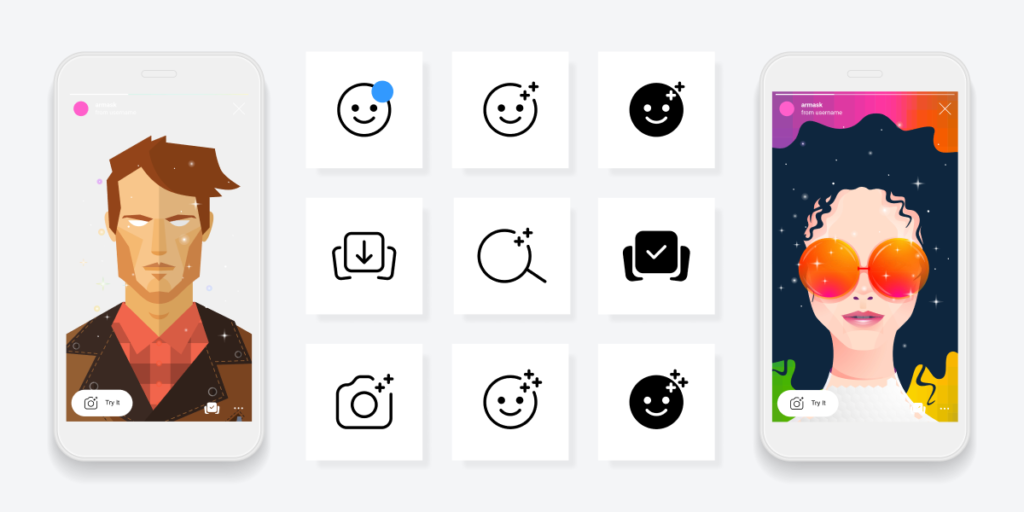
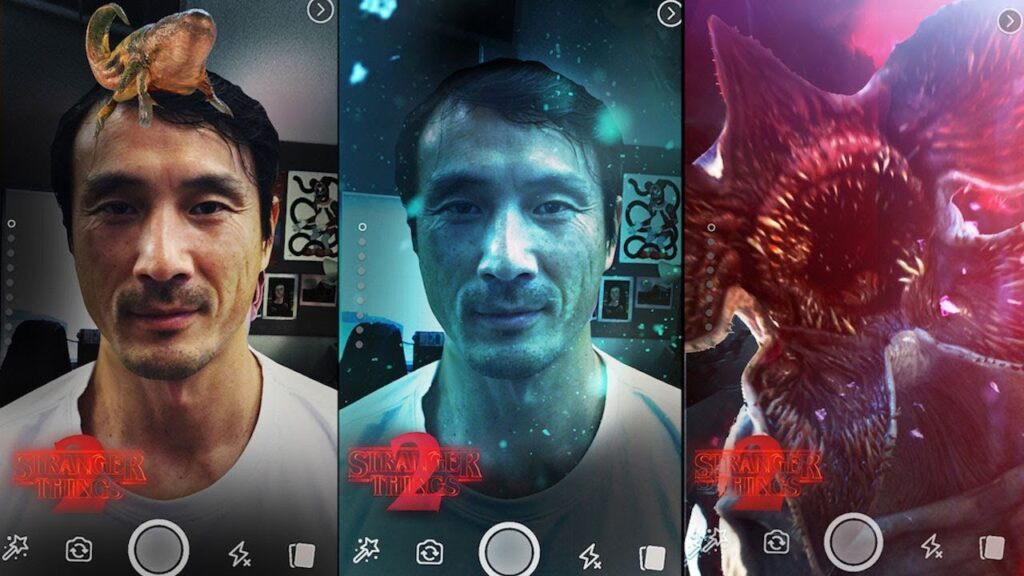
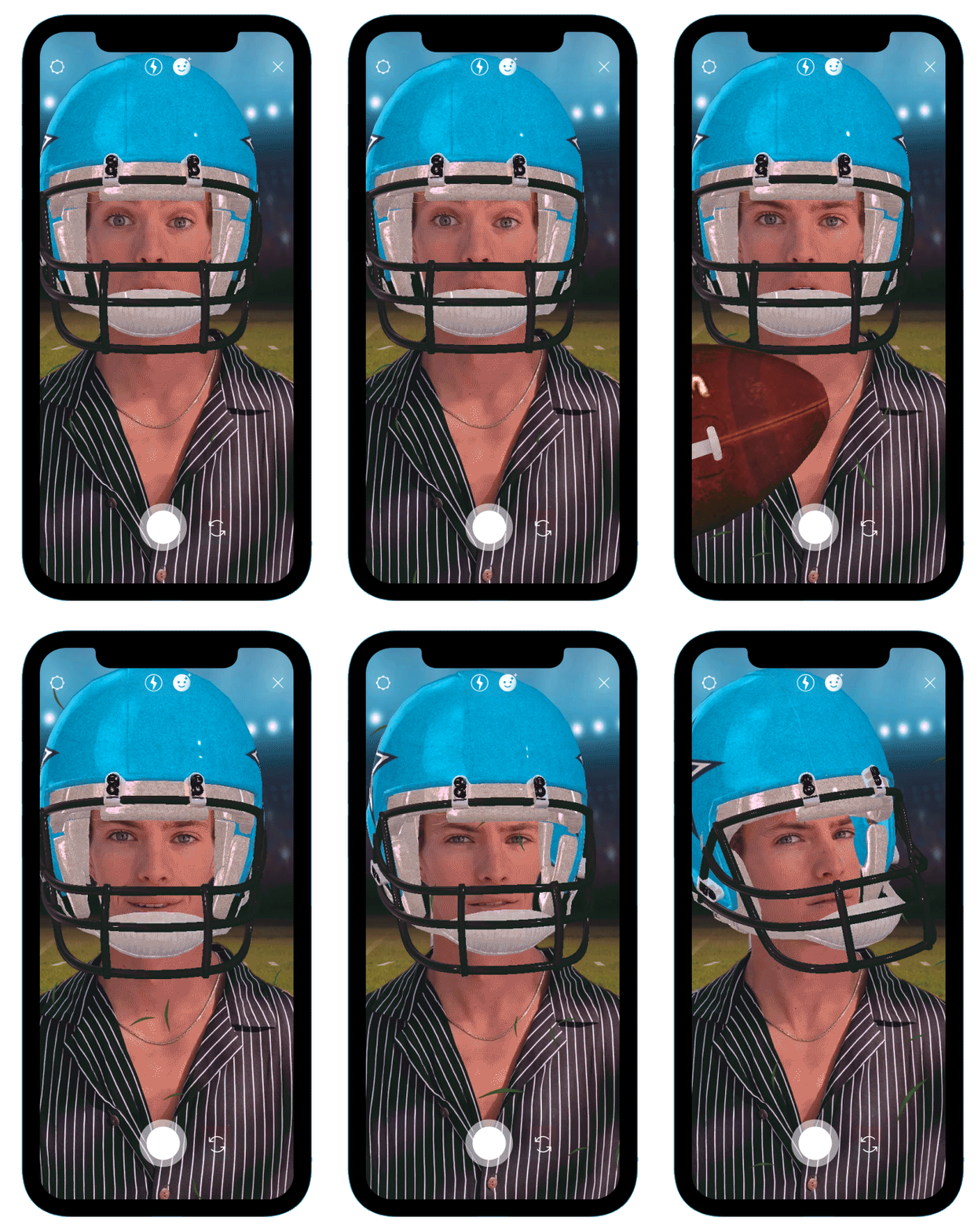
One of the most popular ways brands are using AR filters is through face masks. Whether it’s adding a beard, a flag, heart-shaped eyes, or an animal nose, face filters let followers express themselves in a unique and creative way.

By utilizing face tracking technology, AR filters can monitor various facial features like eyes, mouth, and eyebrows. This allows the filter to respond in real time, giving users an interactive experience that feels alive and fun. Imagine the engagement when your followers share their creative selfies with your branded face mask!


Wearables: Try Before You Buy

Wearables are another great way to engage with your audience through AR filters. Let your customers see how a t-shirt, a pair of shoes, or even sunglasses would look on them before they make a purchase.

Imagine a potential customer is browsing your store online and wonders how a pair of sunglasses would look on their face. With an AR filter, they can see themselves wearing the sunglasses virtually, all from their phone. By providing this interactive experience, you’re helping them visualize the product in real life, which can help push them closer to making a purchase.


3D Objects: Show Off Your Products in a New Way

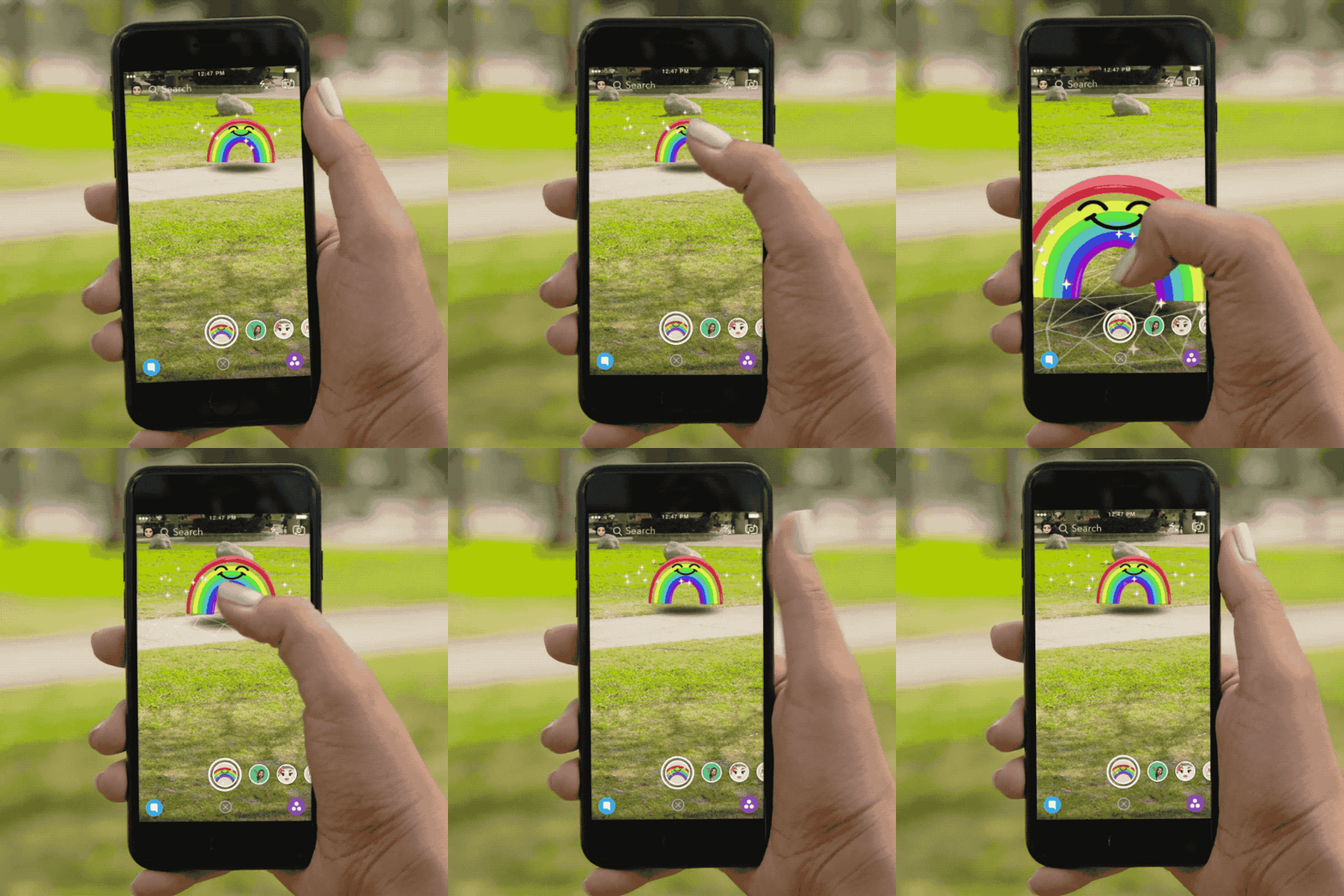
AR filters can also display 3D objects, which allow customers to get a closer look at your products. If you’re in the furniture business, for instance, imagine being able to show your customers a 3D model of a couch, integrated into their own living room through an AR filter.

This technology allows your customers to see exactly how a piece of furniture will look in their home before making the commitment to buy. It’s a great way to showcase your products in a more engaging, hands-on way, and it can significantly improve your chances of a sale.


AR Games: Interactive Fun for Engagement

Another innovative way to use AR filters is through AR games. These are simple, fun, interactive experiences that involve gestures and controls to play. For example, imagine a game where users can score a goal by moving their head or keep their character from falling by blinking their eyes.

These types of games not only entertain your audience but also encourage them to engage with your brand. When users interact with your brand through a game, it fosters a deeper connection, which can translate into long-term customer loyalty.


What’s Next? How Can You Get Started with AR Filters?

Now that you understand how AR filters can boost brand engagement, the next question is: What do you do next?

The good news is that AR filters are becoming more accessible, and creating them for your business doesn’t have to be complex or expensive. If you’re ready to elevate your brand and increase awareness and engagement, AR filters could be the perfect solution. Here are some key steps to help you get started:

  1. Define Your Goals: First, decide what you want to achieve with your AR filter. Do you want to increase brand awareness, drive sales, or simply engage with your audience? Understanding your goals will guide you in creating the right filter for your brand.
  2. Brainstorm Ideas: Think about what would resonate with your audience. What’s fun, interactive, and aligns with your brand’s message? Create an AR filter that taps into your customer’s interests and adds value to their experience.
  3. Partner with Experts: While it’s possible to create AR filters on your own, working with an experienced digital agency can save you time and ensure a high-quality result. They’ll help you bring your vision to life while making sure the filter performs well on social media platforms.
  4. Promote and Share: Once your AR filter is live, don’t forget to promote it! Share it on your social media platforms, encourage your followers to try it, and watch as they engage and share your filter with their friends. The more people share your content, the more organic reach you get.

The Future of AR: Enhancing Customer Experience

The real potential of AR filters lies in how they can enhance the customer experience. The future of eCommerce and brand engagement is all about providing customers with a seamless, fun, and personalized experience. By using AR filters, you can create a more interactive shopping experience that encourages customers to spend more time with your brand.

AR is here to stay, and if you’re not already incorporating it into your digital marketing strategy, now is the time to start. Whether it’s face masks, wearables, 3D objects, or games, there’s a wide range of ways you can use AR filters to boost brand engagement and connect with your audience in new and exciting ways.


Conclusion: Get Your AR Filter Today!

Are you ready to take your brand to the next level? Augmented reality filters offer a fun, interactive, and cost-effective way to engage with your audience, drive sales, and boost brand awareness. By offering AR filters that add value to your followers’ experience, you’ll see increased engagement and brand loyalty.

At Ikonik Digital, we specialize in creating custom AR filters that fit your brand’s unique needs. If you want to explore how AR filters can work for you, contact us today at [email protected]. Let’s create something amazing together!

The post These 4 Augmented Reality Filters Are Getting Brands 3x More Interactions appeared first on Ikonik Digital Agency | Digital Marketing & Web Development Agency | Jamaica.

]]>
https://ikonik.digital/blog/4-ways-to-use-augmented-reality-filters-to-engage-with-customers/feed/ 0