

How to Measure the Success of Your Website Redesign
A website redesign offers an exciting opportunity to refresh your online presence, enhance the user experience, and ultimately drive better results. However, once the redesign is complete, how can you determine if it was truly successful? Measuring the success of a website redesign involves more than just admiring the new design—it requires tracking key metrics and analyzing user feedback to ensure that your updated website meets its objectives. This guide will help you evaluate the effectiveness of your website redesign.
1. Define Your Goals Before the Redesign
Why Setting Goals is Crucial
Before you can measure success, it’s essential to understand what you’re trying to achieve with your redesign. Having clearly defined goals will help you identify which metrics to track and evaluate. Common objectives for website redesigns include:
- Improving User Experience: Enhancing how users interact with the site.
- Increasing Conversions: Encouraging more visitors to take desired actions (e.g., signing up for newsletters, making a purchase).
- Reducing Bounce Rates: Encouraging users to engage with more pages rather than leaving quickly.
- Boosting Search Engine Rankings: Ensuring the website ranks higher for targeted keywords.
With these goals in mind, you can tailor your post-redesign measurements for maximum insight.

2. Key Metrics to Track After the Redesign
Bounce Rate: A Key Indicator of Engagement
Bounce rate refers to the percentage of visitors who leave your website after viewing only one page. A high bounce rate often signals problems with navigation, content relevancy, or slow loading speeds.
- Success Indicator: A well-designed website with improved navigation and engaging content should result in a lower bounce rate.
- Tools to Use: Google Analytics, Hotjar
Time on Page and Pages Per Session: Gauging User Engagement
These metrics tell you how long visitors stay on your website and how many pages they visit in a single session.
- Success Indicator: A user-friendly design and compelling content will increase both time on page and pages per session.
- Tools to Use: Google Analytics, Crazy Egg
Conversion Rate: The Bottom Line of Success
Conversions are the actions you want your users to take, such as completing a purchase or filling out a form. Whether it’s a lead generation form or a product sale, conversion rates are crucial in determining if the redesign has achieved its goals.
- Success Indicator: If your redesign focused on improving CTAs (calls-to-action) or simplifying the checkout process, you should see a higher conversion rate.
- Tools to Use: HubSpot, Google Analytics
Website Speed: Speed Matters
A slow-loading website can frustrate users and lead to high bounce rates. Plus, speed is a factor in search engine rankings.
- Success Indicator: The redesigned website loads faster, ideally within 2-3 seconds.
- Tools to Use: Google PageSpeed Insights, GTmetrix
Mobile Responsiveness: Optimizing for Mobile Traffic
In today’s digital world, mobile-first design is non-negotiable. Your website should work seamlessly across all devices to ensure a smooth user experience.
- Success Indicator: The redesigned site should have improved mobile metrics, including lower bounce rates and higher user engagement.
- Tools to Use: Google Mobile-Friendly Test, BrowserStack
Search Engine Rankings: Keep an Eye on SEO
Your redesign can impact SEO—both positively and negatively. It’s important to monitor keyword rankings to ensure your site maintains or improves its position in search engine results.
- Success Indicator: Improved rankings for targeted keywords and increased organic traffic.
- Tools to Use: SEMrush, Ahrefs, Google Search Console
User Feedback and Surveys: The Qualitative Side of Success
While data is critical, user feedback can provide valuable insights into how well your redesign meets your audience’s needs. Ask your users directly about their experience to gain deeper understanding.
- Success Indicator: Positive feedback about design appeal, ease of navigation, and functionality.
- How to Gather Feedback: Use tools like SurveyMonkey or integrate feedback forms into your website.
3. Compare Before-and-After Metrics
Why You Should Compare Your Pre- and Post-Redesign Data
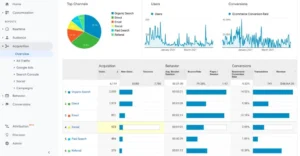
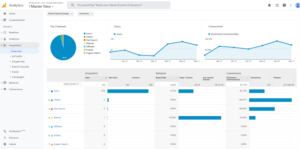
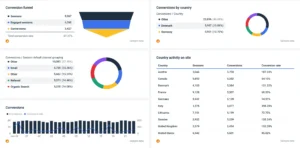
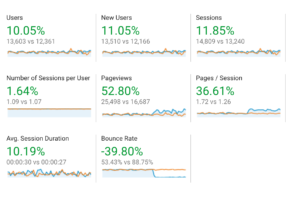
To evaluate the true success of your redesign, compare your key metrics from before and after the redesign. Analyzing trends over similar timeframes helps you identify if changes in traffic, engagement, or conversions are directly related to the redesign.
Example:
- Before Redesign: Bounce rate = 50%, Conversion rate = 2%
- After Redesign: Bounce rate = 35%, Conversion rate = 4%
These improvements show that the redesign positively impacted user behavior and engagement.
4. Monitor Heatmaps and User Behavior
Tracking User Interactions for Deeper Insights
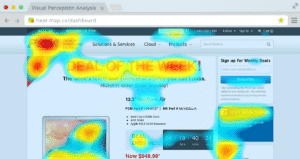
Heatmaps and session recordings provide a visual representation of how users engage with your website. These tools help you understand where users are clicking, how far they scroll, and where they may be getting stuck in the user flow.
- Success Indicator: Increased engagement with important elements like CTAs and improved navigation paths.
- Tools to Use: Hotjar, Crazy Egg
5. Track KPIs Over Time
Success Doesn’t Happen Overnight
The impact of a website redesign isn’t always immediate. It’s essential to track your key performance indicators (KPIs) over the course of several months to spot long-term trends.
Examples of KPIs to Monitor:
- Lead generation rates
- Email sign-ups
- Customer retention rates
This data will give you a clearer picture of how your website continues to perform post-redesign.
6. Assess ROI: Is the Redesign Worth It?
Calculating the Return on Investment
A successful website redesign should generate a return on investment (ROI) that justifies the costs involved. To calculate ROI, compare the costs of the redesign with the additional value it generates.
ROI Formula:
ROI=(Net Profit from Redesign−Redesign CostsRedesign Costs)×100\text{ROI} = \left(\frac{\text{Net Profit from Redesign} – \text{Redesign Costs}}{\text{Redesign Costs}}\right) \times 100
For example, if your redesign cost $10,000 and resulted in $20,000 in additional revenue, your ROI would be 100%.
7. Common Redesign Pitfalls to Avoid
Watch Out for These Mistakes
Despite the best intentions, redesigns sometimes fall short of expectations. Be aware of these common pitfalls:
- SEO Issues: Losing search rankings due to poorly managed URL changes or neglected metadata.
- User Confusion: Introducing overly complex design changes that confuse users.
- Ignored Analytics: Failing to review pre-redesign data, which can provide valuable guidance.
By being aware of these potential issues, you can take steps to avoid them and ensure a smoother redesign process.

Final Thoughts: Measuring Redesign Success with Data
A website redesign represents a significant investment, and it’s essential to measure its success effectively. By tracking key metrics like bounce rates, conversions, and user feedback, you can assess whether your redesign achieved its intended goals and created tangible value for your business.
Looking to redesign your website with measurable results in mind? Contact Ikonik Digital today at [email protected] for a consultation and let’s create a website that delivers on every metric!

Mario Frith is the Technical Director and Co-Founder of Ikonik Digital. With over a decade of experience in web development, API integrations, and scalable backend systems, Mario leads the technical strategy behind the digital solutions that power our clients’ success. Whether he’s engineering custom platforms or optimizing infrastructure for performance and security, Mario brings precision, innovation, and clean code to every project.
When he’s not building the web behind the scenes, he’s exploring the latest in cloud architecture, automation, and emerging dev stacks.



Kemal Kılıçdaroğlu porno ifşa araması ile ilgili en güncel haberler ve çarpıcı ayrıntılar. 8544
Erikoğlu ailesi porno ifşa aramasında öne çıkan haberler, son dakika gelişmeleri ve trend başlıklar. 9964
İkinci el sahte ürün fırsatlarında bütçe dostu buluntuları yakala, hızlı tükenen stoklara yetişmek için acele et. 1445
Onion site link analysis explaining how layered routing works and why authorities monitor it–cybersecurity knowledge at your fingertips. 4686
Risk almadan kazan anlayışıyla güvenli adımlar at, birikimini korurken düzenli bir gelir akışı oluştur. 9881
Abdullah Gül porno araması sonuçlarında en çok beğenilen ve öne çıkan içerikler belirgin işaretlerle hemen göze çarpıyor. 9215