The post Boost Your Social Media Ad ROI by 30%: Why Split Testing is a Game-Changer You Can’t Ignore appeared first on Ikonik Digital Agency | Digital Marketing & Web Development Agency | Jamaica.
]]>Mastering Social Media Ad Performance with Split Testing (A/B Testing)
In today’s fast-paced world of social media marketing, it’s not enough to simply launch an ad and hope for the best. With millions of businesses vying for attention on platforms like Facebook, Instagram, Twitter, and LinkedIn, maximizing your ad performance is crucial. So, how can you ensure that your ads are working as hard as possible for your business? The answer lies in split testing, also known as A/B testing.
In this blog post, we’ll explore the importance of split testing in social media ads, how A/B testing can improve your ad performance, and how you can implement it effectively to drive better results.
What is Split Testing (A/B Testing)?
Split testing, or A/B testing, is a powerful marketing technique used to compare two versions of an ad to determine which one performs better. In its simplest form, you create two variations of the same ad, each with one changed element, and test them with your target audience. By monitoring the performance of these two versions, you can discover which version leads to better outcomes, such as higher click-through rates, conversions, or engagement.
Example of Split Testing:
Imagine you’re testing two versions of an ad with the only difference being the color of the call-to-action (CTA) button:
- Ad A uses a red CTA button.
- Ad B uses a green CTA button.
By tracking which version gets more clicks or conversions, you’ll identify which color resonates more with your audience, helping you fine-tune your future campaigns.
Why Split Testing is Crucial for Social Media Ads
Running social media ads without testing them is akin to throwing spaghetti at the wall and hoping something sticks. Split testing takes the guesswork out of advertising, allowing you to make data-driven decisions. Here’s why split testing is so essential for social media ads:
1. Optimize Your Ad Performance
Split testing allows you to continually refine your ads by experimenting with different elements, including:
- Headlines
- Ad copy
- Images or videos
- CTA buttons
- Target audiences
- Ad formats (carousel, video, single image)
By analyzing the performance of each variation, you can identify which components contribute most to your ad’s success and adjust future campaigns accordingly.
2. Maximize Your Return on Investment (ROI)
One of the primary goals of any ad campaign is to get the best possible return on your investment. A/B testing helps you achieve that by allowing you to reallocate your budget toward the more effective version of your ad. By eliminating underperforming ads and doubling down on the ones that deliver results, you can ensure that every advertising dollar works harder for you.
3. Gain a Deeper Understanding of Your Audience
Every audience is different, and A/B testing helps you better understand your customers’ preferences. By testing various ad components, you can uncover insights like:
- Which tone of voice resonates most with your audience.
- What kind of imagery or messaging appeals to them.
- Which offers lead to the highest conversions.
This valuable data helps you tailor your future campaigns for better targeting and higher engagement rates.
4. Eliminate Assumptions
It’s easy to fall into the trap of assuming you know what your audience will respond to. But assumptions can be misleading. A/B testing provides you with solid data, helping you test ideas objectively. For example, you might think that a bold CTA will attract more attention, but the results could show that a more subtle CTA works better for your target market.
Key Elements to Split Test in Social Media Ads
To make the most out of your A/B testing, it’s important to focus on specific ad elements that can directly impact performance. Here are the most common areas to test:
1. Ad Copy
The text you use in your ad can significantly influence its performance. Slight adjustments in wording, tone, or structure can have a huge impact. Consider testing variations like:
- A headline emphasizing urgency vs. one highlighting benefits.
- Short versus long ad copy.
- A conversational tone vs. a more formal one.
Testing different versions of your ad copy allows you to understand which style resonates most with your audience.
2. Images and Video Content
Visual content is often the first thing your audience notices. The right image or video can compel users to take action. Consider testing:
- Product images vs. lifestyle images.
- Video vs. static images.
- Bright, bold visuals vs. muted tones.
By experimenting with different visuals, you can discover what captures your audience’s attention and sparks engagement.
3. Call-to-Action (CTA)
Your CTA is what drives conversions, so it’s essential to get it right. A small change in CTA wording, design, or placement can significantly affect results. Test variations like:
- Different verbs (e.g., “Shop Now” vs. “Learn More”).
- Button color and placement.
- Urgent vs. softer CTAs (e.g., “Limited Time Offer” vs. “Sign Up Today”).
By testing different CTAs, you’ll identify which prompts drive the most conversions.
4. Target Audience
Your audience plays a massive role in the success of your ads. Testing different audience segments helps you understand which group is most likely to engage with your ad. You might experiment with:
- Demographic factors (age, gender, location).
- Interests and behaviors.
- Lookalike audiences vs. custom audiences.
Finding the right target audience is essential for maximizing the impact of your ads.
5. Ad Placement and Format
Social media platforms offer various ad placements (e.g., feed, stories, sidebar) and formats (e.g., carousel, video, image). Test your ads in different placements and formats to determine which works best. For example, some audiences may respond better to video ads on Instagram Stories, while others may engage more with static images in their feed.
Best Practices for Conducting Split Testing
To get reliable and actionable results from your A/B testing, follow these best practices:
1. Test One Element at a Time
Focusing on testing one element at a time allows you to pinpoint which factor is influencing the results. Changing multiple elements at once can make it difficult to identify the cause of a change in performance.
2. Use Statistically Significant Samples
To draw meaningful conclusions, ensure that your sample size is large enough to represent your audience. Running a test on a small group can result in skewed data that may not be applicable to your broader market.
3. Allow Enough Time for Testing
Don’t rush your tests. Running them for a short period might not provide reliable data. Depending on your budget and audience size, give your tests enough time to gather sufficient impressions and interactions (usually a few days to a week).
4. Analyze Results and Iterate
Once you’ve gathered enough data, analyze the results carefully. Look at key metrics such as click-through rate (CTR), conversion rate, and engagement levels. Once you’ve identified the winner, apply those insights to future campaigns and continue testing for continuous improvement.
Conclusion: A/B Testing for Better Social Media Ads
In the competitive world of social media advertising, guesswork just doesn’t cut it. Split testing provides the data you need to optimize your campaigns, drive better performance, and achieve higher returns on your ad spend. Whether you’re refining your ad copy, testing different CTAs, or exploring new audience segments, A/B testing helps you make data-driven decisions that lead to increased engagement, conversions, and ultimately, more revenue for your business.
At Ikonik Digital, we specialize in crafting and optimizing high-performing social media ad campaigns. If you’re ready to elevate your social media marketing efforts, get in touch with us today. Let’s discuss how we can implement effective split testing strategies to help you achieve your business goals.
Ready to see real results from your social media ads? Contact Ikonik Digital at [email protected] for strategy discussions, guidance on implementing split testing, or any inquiries you may have. We’re here to help you unlock your ad campaign’s full potential!
The post Boost Your Social Media Ad ROI by 30%: Why Split Testing is a Game-Changer You Can’t Ignore appeared first on Ikonik Digital Agency | Digital Marketing & Web Development Agency | Jamaica.
]]>The post Struggling With Low Ad Clicks? Animate Your Way to Results—Here’s How appeared first on Ikonik Digital Agency | Digital Marketing & Web Development Agency | Jamaica.
]]>Enhancing Your Social Media Ads with Animations: A Game-Changer for Business Growth
In today’s fast-paced world of social media, getting noticed is more challenging than ever. Every second, countless pieces of content flood users’ feeds, making it hard to capture attention and make an impact. But there’s one tool that stands out—animations. Dynamic, visually appealing animations can elevate your social media ads, improve engagement, and significantly boost click-through rates.
In this post, we’ll dive deep into the benefits of animations for social media ad campaigns and explain why they can be a game-changer for your business.
Why Animations Are Crucial in Social Media Ads
Animations can do more than just catch the eye—they can tell a story, enhance a message, and improve engagement. Here’s why they’re essential for your social media strategy:
1. Animations Grab Attention Instantly
Scrolling through a social media feed often means that users are only pausing for a fraction of a second on any given post. In this environment, grabbing attention is crucial. Motion is inherently more engaging than static content, and animations bring that motion to your ads. Whether it’s a subtle product rotation or an eye-catching transition, animations instantly capture the viewer’s attention, making them more likely to stop scrolling.
For instance, imagine an ad where a product gradually spins in the center of the frame, drawing attention with its movement. This dynamic shift in visual format is far more engaging than a still image of the same product.
2. Increase Engagement with Interactive Elements
Unlike static ads, animations can include interactive elements. This creates a more engaging user experience. Interactive animations—like buttons that change when hovered over or animated GIFs—invite the user to take action. This level of engagement fosters a deeper connection with your brand and makes users feel like they’re part of the experience, rather than passive recipients of your message.
Consider an ad promoting a tech gadget. With animation, you could show the gadget in action and offer the viewer the option to click and learn more. This interactive element not only keeps the user engaged but also drives them toward your business goal, whether that’s making a purchase or signing up for more information.
3. Communicate Complex Ideas Quickly
In the busy world of social media, your audience is often in a hurry. Traditional text-heavy ads can overwhelm viewers or simply get skipped. Animations, on the other hand, allow you to convey complex ideas quickly and efficiently. They help break down intricate processes or explain product features in a way that’s easy to digest.
For example, a before-and-after animation showing the benefits of a new skincare product can convey more information in a few seconds than a paragraph of text. Your audience will understand how the product works and its benefits without having to read long descriptions.
4. Make Your Ads Memorable
What makes ads memorable? It’s often the content that stands out visually. Animated content is far more likely to be remembered than static images. Research consistently shows that people are more likely to recall animated ads because they’re engaging and dynamic.
When you create a visually compelling animation, it doesn’t just grab attention—it sticks with the viewer. For example, an animated ad with a catchy visual and a witty script will likely leave a lasting impression on your audience, leading to better brand recall in the future.
5. Appeal to a Younger Audience
Social media is dominated by younger generations, particularly Millennials and Gen Z. These groups are used to consuming dynamic, visually stimulating content. For businesses targeting these demographics, it’s crucial to align your content with their preferences. Animations cater to this audience by offering quick, engaging, and visually pleasing content.
Incorporating animations into your social media ads helps you meet the expectations of these groups, making your ads more relatable and appealing. By tapping into their preference for quick, entertaining content, you’re more likely to succeed in capturing their attention.
Best Practices for Using Animations in Social Media Ads
While animations can be incredibly powerful, they need to be used thoughtfully. When done right, they can enhance your message, but if overused or poorly executed, they can distract from it. Let’s explore some best practices to ensure your animated ads hit the mark.
1. Keep It Simple and Relevant
It’s tempting to go overboard with flashy animations, but simplicity is often more effective. Avoid creating complex animations that might confuse your audience or detract from the core message. A simple product demonstration or a subtle animation that adds smooth transitions between key points is often more powerful than an elaborate, over-the-top animation.
The animation should always serve the ad’s main purpose. If you’re showcasing a new product, use animation to highlight its features in a way that complements your overall message.
2. Highlight Key Features with Animations
Animations are a fantastic way to focus attention on the most important aspects of your product or service. Whether you’re demonstrating how a product works, how it’s used in real life, or breaking down key features, animations help make these aspects more engaging.
For example, if you’re advertising a software tool, you could use animations to walk users through key features, showing exactly how the tool can benefit them. This helps users understand the value proposition more clearly than a traditional ad would.
3. Ensure Mobile-Friendly Design
More than 80% of social media users access platforms via mobile devices. That’s why it’s crucial to optimize your animations for mobile viewing. Ensure that your animations load quickly and look great on smaller screens. Slow or distorted animations can frustrate users, causing them to bounce away from your ad.
Test your animations on multiple devices to ensure they perform well across different screen sizes and resolutions. Keep the file sizes small, use responsive design techniques, and make sure the animation looks polished on both desktop and mobile devices.
4. Consistency with Your Brand Identity
Animations should reflect your brand’s identity. This includes using the correct color palette, typography, and overall design style. Keeping your animations consistent with your brand image helps reinforce recognition and trust with your audience.
For example, if your brand uses a minimalist aesthetic, your animations should be sleek and subtle rather than flashy and busy. This consistency builds a cohesive brand image and strengthens brand loyalty.
5. Finish with a Strong Call to Action (CTA)
Your call to action (CTA) is arguably the most critical part of your ad. After capturing the viewer’s attention with an engaging animation, guide them to the next step. Whether it’s making a purchase, signing up for a newsletter, or visiting your website, a compelling CTA directs the viewer to take action.
Make your CTA stand out by animating it in some way. Perhaps the CTA button could pulse or change color to draw attention. This subtle movement can help guide users toward your desired outcome.
Successful Examples of Animated Social Media Ads
Many well-known brands have successfully integrated animations into their social media ads. Let’s take a look at a few examples:
1. Spotify’s Animated Playlists
Spotify often uses animations to showcase their curated playlists. From moving album covers to playful visual effects, their animations engage users and prompt them to explore new music. By incorporating animation into their ads, Spotify keeps their content fresh and exciting.
2. Apple’s Product Demos
Apple is known for its sleek, minimalist product demonstrations. The company uses simple but effective animations to showcase the features and design of their products. These animations are visually pleasing and align perfectly with Apple’s high-end brand image, making them both functional and visually striking.
3. Coca-Cola’s Fun, Animated Ads
Coca-Cola has used animated ads to promote their products in a lighthearted, joyful way. These animations often feature bright, playful visuals that evoke feelings of happiness and excitement. Coca-Cola’s use of animation helps create a connection with their audience, boosting brand engagement and emotional resonance.
Conclusion
Incorporating animations into your social media ads is a smart way to stand out in a crowded digital landscape. Animated content captures attention, drives engagement, and communicates messages more effectively than static content. By using simple, mobile-friendly, and brand-consistent animations, you can create ads that are not only visually appealing but also highly effective in driving action.
So, the next time you plan a social media ad campaign, consider adding animations. Bring your content to life and watch your ad performance soar.
Ready to Take Your Social Media Ads to the Next Level?
If you’re looking for expert guidance on how to integrate animations into your social media strategy, reach out to Ikonik Digital. Our team specializes in crafting dynamic, engaging ads that drive results. Contact us today at [email protected] for a personalized strategy discussion or to get started on your next campaign. Let’s turn your ideas into animated success!
The post Struggling With Low Ad Clicks? Animate Your Way to Results—Here’s How appeared first on Ikonik Digital Agency | Digital Marketing & Web Development Agency | Jamaica.
]]>The post Ride the Trend Wave: How to Turn Seasons Into Sales With Smarter Social Media Campaigns appeared first on Ikonik Digital Agency | Digital Marketing & Web Development Agency | Jamaica.
]]>How to Leverage Seasonal Trends in Social Media Marketing for Maximum Impact
Seasonal trends are more than just fleeting moments—they are opportunities to drive engagement, increase sales, and build stronger connections with your audience. Whether it’s a major holiday, a cultural observance, or a change in season, these events provide the perfect context to align your social media efforts with the interests and emotions of your audience. In this post, we’ll dive into the power of seasonal trends in social media marketing and show you how to harness them for greater business success.
Why Seasonal Trends Matter in Social Media Marketing
Social media thrives on relevance, and there’s no better way to stay relevant than by tapping into seasonal trends. Whether it’s the excitement of a holiday or the anticipation of a major event, seasonal trends allow you to resonate with your audience in real-time. Here are some key reasons why you should prioritize seasonal trends in your strategy:
Increased Engagement
Seasonal content tends to attract more attention because it’s timely and relevant. When you create content that aligns with the season, your audience is more likely to engage with it. From likes and shares to comments and conversations, well-timed posts foster interaction.
Relatability and Connection
Tying your content to a seasonal event helps make your brand feel more connected to your audience. Whether it’s the joy of the holidays, the excitement of a summer vacation, or the anticipation of a new year, seasonal content taps into the shared experiences and emotions of your followers.
Boosted Sales
Holidays like Christmas, Valentine’s Day, and Black Friday are prime times for purchases. By aligning your marketing campaigns with these dates, you position your brand to influence purchasing decisions directly.
Creativity in Content
Seasonal trends spark creativity. From themed graphics to unique campaign ideas, the mood of the season can inspire innovative content that stands out and engages your audience in new ways.
How to Leverage Seasonal Trends on Social Media
Now that we understand the importance of seasonal trends, let’s explore actionable strategies you can use to capitalize on them in your social media campaigns.
1. Plan Ahead and Set a Calendar
Planning ahead is essential to leveraging seasonal trends effectively. Waiting until the last minute can lead to rushed ideas and poorly executed campaigns. By proactively scheduling your content around key dates, you can ensure a well-organized approach.
Create a seasonal content calendar:
Start by marking out the key holidays and events that matter to your business. Don’t just focus on global holidays like Christmas or New Year’s—include industry-specific events and cultural observances as well. Think about fashion weeks, product launches, or Pride Month. Mapping out a calendar will help you stay ahead of the game and prepare content in advance.
Align your campaigns with the season:
Once your calendar is set, tailor your campaigns to the specific season. For example, a fitness brand could focus on New Year’s resolutions in January, while a travel agency might promote summer vacation packages in June. When you align your campaigns with the season, they feel more organic and relevant to your audience.
2. Use Relevant Hashtags to Gain Visibility
Hashtags are an easy and effective way to join seasonal conversations and increase your content’s reach. By using trending hashtags, you can make sure your posts get seen by a wider audience.
Research trending seasonal hashtags:
Look for hashtags tied to the season or event, such as #ValentinesDay, #SpringBreak, or #BlackFridayDeals. By adding these to your posts, you can participate in broader conversations and gain visibility.
Create custom hashtags for your brand:
In addition to using popular hashtags, consider creating your own branded hashtag. For example, if you’re running a holiday sale, create a unique hashtag like #HolidaySavingsWith[YourBrand]. This helps build a community around your seasonal campaign and encourages customers to share their experiences.
Hashtags not only make your content discoverable but also allow you to engage with people outside your current follower base, expanding your reach.
3. Run Time-Limited Promotions and Offers
Seasonal trends provide the perfect opportunity to run promotions that create urgency. Whether it’s a limited-time discount, a flash sale, or an exclusive offer, these promotions push customers to act quickly.
Seasonal sales:
Major sales events like Black Friday or Cyber Monday are ideal times to offer discounts. These promotions are anticipated, widely discussed, and typically drive a surge in sales. Aligning your brand with these events can boost your revenue significantly.
Flash sales or daily deals:
Flash sales tied to specific events, such as National Coffee Day or Mother’s Day, create a sense of urgency that prompts immediate action. The shorter the promotion, the more urgency it generates, making customers feel like they need to act now.
Gifting bundles during the holidays:
During the holiday season, offering product bundles can be a great way to encourage customers to buy more. Packaging products together as gifts makes your offerings more attractive to gift-givers, and it often results in higher sales.
Highlight these time-limited promotions in your posts and stories to ensure your audience doesn’t miss out.
4. Create Themed Content and Visuals
One of the most exciting aspects of seasonal trends is the chance to get creative with your content. Seasonal visuals have a significant impact on engagement, as they resonate with your audience and capture their attention.
Use seasonal colors and designs:
Incorporating colors that are associated with the season can help your posts feel more festive. For example, use orange and black around Halloween or red and green during the winter holidays.
Seasonal GIFs, stickers, and emojis:
Platforms like Instagram and TikTok make it easy to add fun, seasonal elements like stickers, GIFs, and emojis. These playful additions make your posts feel more engaging and on-brand for the season.
Promote seasonal product launches or features:
If you’re launching a new product or service, tie it to the season. For example, a swimwear brand might release a new collection just before summer and promote it with sunny, vibrant visuals. This connection between your product and the season boosts relevance and excitement.
Creating visually appealing, seasonally themed content helps your posts stand out and keeps your audience interested.
5. Engage with Your Audience through Interactive Content
Seasonal trends present the perfect opportunity to engage with your followers in a more interactive way. Social media thrives on engagement, and seasonal events make your audience more open to participation.
Polls and quizzes:
Take advantage of the interactive features on platforms like Instagram and Facebook. Use polls and quizzes to ask fun, seasonal questions. For example, “What’s your favorite Halloween costume?” or “Which holiday dessert is the best?” These interactive posts encourage your audience to participate and share their opinions.
Contests and giveaways:
Running a contest or giveaway based on a seasonal theme is another great way to engage your audience. Ask your followers to share their favorite holiday traditions or post pictures of how they’re using your products during the season. Offering a prize can incentivize participation and spread excitement.
User-generated content:
Encourage your followers to create and share content featuring your products. By using a unique hashtag, your customers can post pictures or videos of your products in use during the season, giving you additional exposure and building a sense of community.
Interactive content fosters a deeper connection with your audience and can turn your followers into brand advocates.
6. Collaborate with Influencers and Partners
Influencer marketing is a powerful way to amplify your seasonal campaigns. By partnering with influencers who already have a loyal following, you can extend your reach and tap into new customer bases.
Seasonal influencer partnerships:
Find influencers who resonate with your target audience and who are already engaging with seasonal content. For example, a fashion influencer can showcase your winter or summer collection, while a food blogger might create holiday-themed recipes using your products. Influencers can bring an authentic and organic touch to your campaigns.
Collaborate on giveaways:
Collaborating with other brands for a joint giveaway can help you reach an even larger audience. For instance, if you sell beauty products, partner with a skincare brand for a holiday giveaway. This cross-promotion introduces your brand to new potential customers and creates buzz around the seasonal event.
Influencers and brand collaborations help you build credibility and authenticity, which can drive more engagement and sales.
Seasonal Trend Ideas for Social Media Campaigns
To give you some inspiration, here are some seasonal trend ideas to consider for your social media campaigns:
- New Year’s Resolutions (January): Promote fitness products, self-care services, or personal development tools.
- Valentine’s Day (February): Focus on love, relationships, and gifting—ideal for products like jewelry, flowers, or experiences.
- Summer (June-August): Promote outdoor products, vacations, or summer-themed services.
- Back-to-School (August/September): Highlight educational tools, kids’ products, or office supplies.
- Holiday Season (November-December): Offer gift ideas, festive promotions, and holiday-themed content.
By leveraging these trends, you can create social media campaigns that resonate deeply with your audience and help your brand stay top of mind during key seasonal moments.
Conclusion
Seasonal trends offer a wealth of opportunities for social media marketers. By planning ahead, using creative visuals, engaging your audience through interactive content, and running timely promotions, you can leverage these trends to boost engagement and increase sales. Whether it’s a flash sale, a holiday promotion, or a collaboration with influencers, the key to success is making your campaigns feel timely, relevant, and connected to your audience’s current experiences.
At Ikonik Digital, we specialize in helping businesses create impactful social media campaigns that align with seasonal trends. If you’re ready to take your seasonal campaigns to the next level, contact us today at [email protected] to get started!
The post Ride the Trend Wave: How to Turn Seasons Into Sales With Smarter Social Media Campaigns appeared first on Ikonik Digital Agency | Digital Marketing & Web Development Agency | Jamaica.
]]>The post Navigating the Digital Frontier: Why Your Facebook Ad Account ID is a Gateway to Growth appeared first on Ikonik Digital Agency | Digital Marketing & Web Development Agency | Jamaica.
]]>Navigating the Digital Frontier: Why Your Facebook Ad Account ID is a Gateway to Growth
Are you feeling a little lost in the digital marketing maze? You are certainly not alone. Many of us grapple with the complexities of online advertising. It can seem overwhelming, right? Let’s be honest, the digital landscape changes so fast. It’s tough to keep up sometimes. This constant evolution presents a unique challenge. You want to grow your business, but where do you even begin? The answer often lies in the details. Small, seemingly minor details can unlock huge opportunities. This is especially true when it comes to your social media presence. One such detail is your Facebook ad account ID. It might sound like a technicality. However, this ID is a key to a more streamlined and powerful advertising strategy.
So, why should you care about this small number? Think of it as your digital passport. It verifies your identity within the Facebook ecosystem. This ID is essential for managing your ad campaigns. It helps you organize your marketing assets. Furthermore, it allows you to grant access to team members or external partners. Consider this scenario. You hire a new marketing agency. They need to access your ad account. What is the first thing they will ask for? Your ad account ID, of course! This number connects all your advertising activities. It ensures everything is properly attributed. Ultimately, it simplifies your life. It’s a small piece of a much larger puzzle. But it’s a crucial piece. Without it, you can’t fully leverage the power of Facebook advertising.
The Power of an Ad Account ID: Beyond Simple Identification
An ad account ID is more than just a number. It’s a foundational element of your digital advertising infrastructure. Let’s explore its true value. First, it streamlines collaboration. Imagine working with multiple teams. Maybe you have an in-house team and an external consultant. Sharing the ad account ID simplifies their work. They don’t have to guess which account is yours. This reduces confusion and saves valuable time. Secondly, it is vital for troubleshooting. Are your ads not performing as expected? Did a campaign get rejected? The first thing Meta support will ask for is your ad account ID. This number helps them quickly find your account. This speeds up the resolution process. Therefore, it gets your campaigns back on track faster.
Moreover, your ad account ID is crucial for security. By providing the correct ID, you ensure that only authorized individuals can access your data. This protects your valuable information. It prevents unauthorized changes to your campaigns. You are building a business, after all. You must protect your assets, both physical and digital. Finally, the ID is essential for tracking performance. Many advanced analytics tools require the ad account ID. They use this number to pull in your data. This allows for more detailed analysis. You can then make data-driven decisions. This leads to more effective campaigns. Ultimately, your ad account ID is a tool for efficiency, security, and insight.
Finding Your Digital Passport: A Simple Step-by-Step Guide
Finding your Facebook ad account ID doesn’t have to be a chore. In fact, it’s quite simple. There are two primary methods you can use. Both are quick and easy. Let’s walk through them. This will save you a lot of time and frustration.
Method 1: The Account Drop-Down Menu in Meta Ads Manager
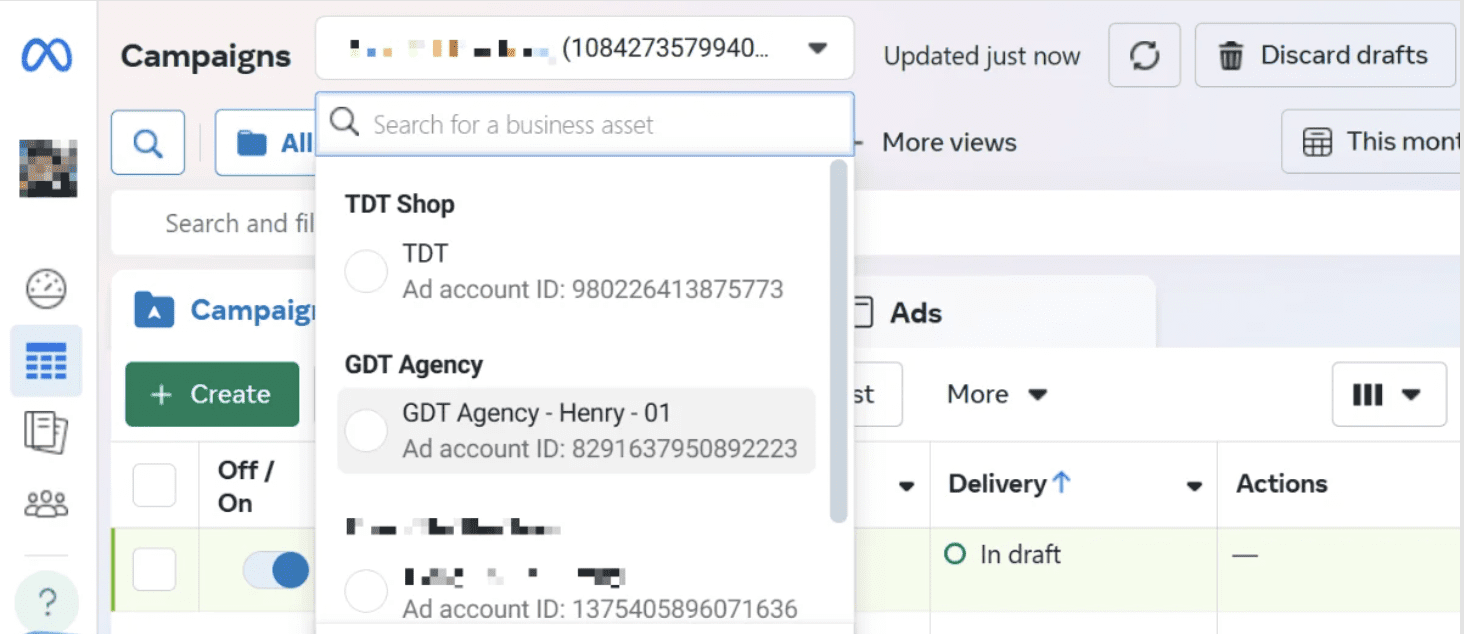
This is probably the easiest way. It’s right there when you log in. You don’t have to search very hard.
- Go to Meta Ads Manager: First things first, open a new browser tab. Then, go to your Meta Ads Manager. You can simply type “ads manager” into your search bar. It should be one of the first results. Alternatively, use the direct link.
- Look at the Top of the Page: Now, direct your attention to the top of the page. Do you see a drop-down menu? It’s usually on the left side. It displays your current ad account name.
- Click the Drop-Down Menu: When you click on this menu, a list will appear. This list shows all the ad accounts you have access to. Each account is listed with its name and its unique ID number.
- Find Your ID: Look for the account you need. The ID number will be right next to the account name. It’s usually a string of digits. This is your ad account ID. It’s that simple!
Method 2: The Browser’s Address Bar in Meta Ads Manager
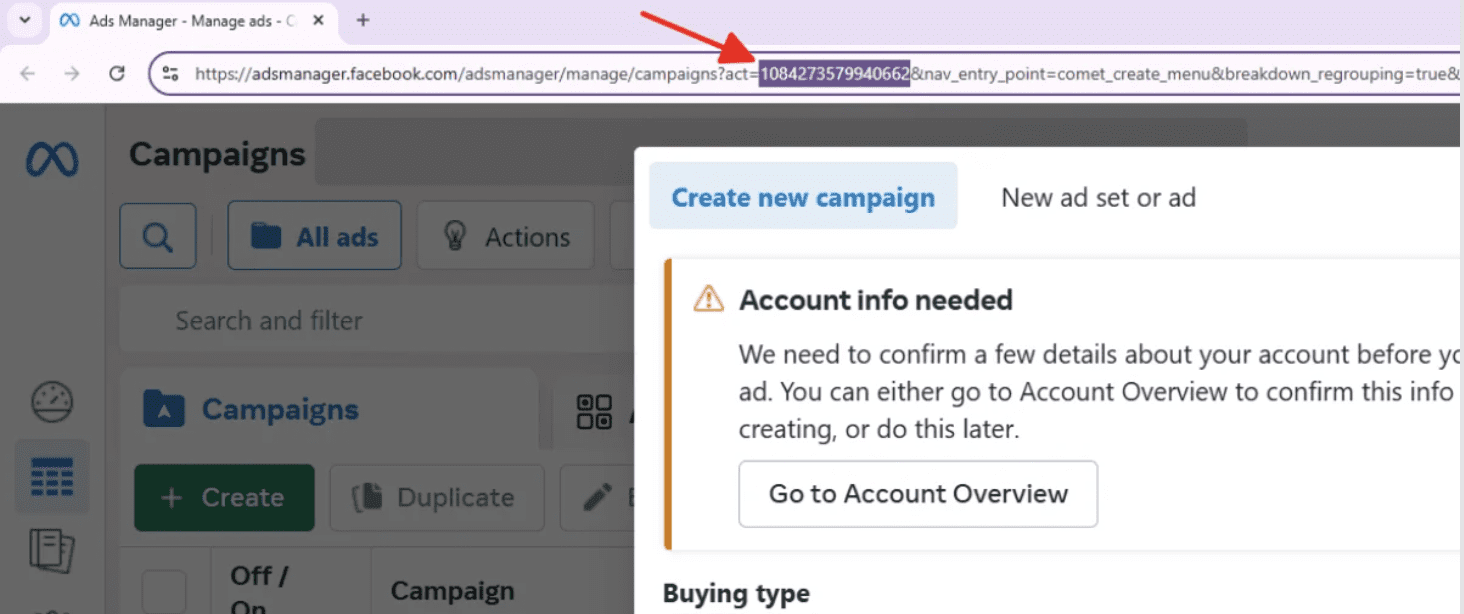
This method is also very straightforward. It’s a great alternative if you’re already in a specific ad account.
- Go to Meta Ads Manager: Just like before, start by navigating to your Meta Ads Manager.
- Look at the URL: Now, check the URL in your browser’s address bar. Do you see a long string of text? Your ad account ID is hidden in there.
- Find the ‘act=’ Parameter: This is the key. Look for the phrase
act=. The number that comes immediately afteract=is your ad account ID. For example, if the URL ishttps://www.facebook.com/adsmanager/manage/campaigns?act=123456789, your ad account ID is123456789. - Copy the ID: Select and copy this number. You can then paste it wherever you need it. It’s a quick and reliable way to find the ID.
Both of these methods are fast and efficient. They give you the information you need in seconds. So, you can get back to what really matters: growing your business.
Why This Matters to Business Owners and Executives
You might be thinking, “This is great, but why is this so critical for my business?” That’s an excellent question. Let’s talk strategy. Your role is not just to manage daily operations. You are also the visionary. You set the direction. Therefore, you need to understand the tools that drive your growth. Facebook advertising is one of the most powerful tools available today. It offers unprecedented reach and targeting capabilities. However, its power is unlocked through proper management. And proper management starts with organization.
Let’s consider a practical example. Imagine your business is growing rapidly. You now have multiple ad accounts for different brands or departments. It can get confusing. A simple mistake could cost you money. You might accidentally run an ad on the wrong account. Knowing your ad account IDs prevents this. It brings clarity and order to your digital marketing efforts.
Furthermore, this knowledge is a sign of sophistication. It shows you understand the mechanics of your business. When you are talking with partners or investors, this matters. It demonstrates your expertise. It builds trust. This small piece of information represents your command of the digital landscape. It shows you are serious about leveraging technology for a competitive advantage. You are not just a manager. You are a strategic leader.
The Bigger Picture: From Ad ID to Digital Transformation
Understanding your ad account ID is a small part of a larger journey. It’s a journey toward digital transformation. What does that mean for your business? It means using technology to fundamentally change how you operate. It’s about becoming more efficient. It’s about reaching new markets. And it’s about building stronger relationships with your customers.
Here’s how it all connects. Your ad account ID helps you organize your advertising. This organization leads to better campaign management. Better campaign management results in higher ROI. Higher ROI means more resources for innovation. This cycle continues. It fuels your business’s growth. It allows you to invest in new products or services. It enables you to expand your team.
For corporate executives, this is even more critical. You are responsible for the company’s long-term success. You must think about scalability. A disorganized digital presence is not scalable. It becomes a bottleneck. By ensuring your team understands and uses these tools effectively, you are building a scalable foundation. You are preparing your company for the future. You are building a system that can handle growth without breaking down. This is the essence of strategic leadership in the digital age.
Common Pain Points and How an Ad Account ID Solves Them
Let’s discuss some common challenges. Do any of these sound familiar?
- Difficulty with Agency Collaboration: You hired an agency. They need access to your ad account. The process is slow and confusing. Knowing your ad account ID makes it instant. You simply provide the number. They send a request. You approve it. Done.
- Troubleshooting Headaches: An ad campaign is failing. You contact support. They ask for your ad account ID. You can’t find it. The process grinds to a halt. This wastes valuable time and money. Knowing your ID beforehand prevents this.
- Wasted Ad Spend: You have multiple accounts. An employee accidentally sets up a campaign on the wrong one. The budget is spent inefficiently. Knowing which ID corresponds to which project eliminates this risk.
- Lack of Performance Tracking: Your marketing team can’t get all the data into your analytics platform. Why? Because they don’t have the correct ad account ID. You are flying blind. This prevents you from making informed decisions.
These are real problems. They are costing businesses money every day. They are slowing down growth. And they are creating unnecessary stress. The good news is, the solution is simple. It starts with understanding your Facebook ad account ID. It’s a small piece of knowledge that has a massive impact. It’s a foundational step toward a more strategic, efficient, and profitable digital marketing operation.
Building a Future-Proof Business
The digital world is not a static place. It’s a dynamic, ever-changing environment. Business leaders must be adaptable. You must be willing to learn new things. You must be willing to embrace technology. Your Facebook ad account ID is a perfect example of this. It represents a single, critical data point. But that data point is connected to a larger system. This system drives your online presence. It powers your ad campaigns. It generates leads and sales.
Think about the future of your business. Where do you want to be in five years? How will you get there? The answer involves leveraging digital tools effectively. It means understanding the nuances of platforms like Meta. It means training your team. It means making smart, data-driven decisions. And it all starts with the basics. It starts with a simple number. Your Facebook ad account ID. It’s a key to unlocking growth. It’s a sign of your commitment to excellence.
So, let’s take a moment. Let’s find that ID. Let’s make sure our digital house is in order. This is not just a technical task. It’s a strategic move. It’s an investment in your company’s future. It’s a step toward greater control. It’s a step toward better results. It’s a step toward becoming a truly Ikonik business.
Are you ready to optimize your digital strategy? Are you looking for a partner to help you navigate this complex landscape? Do you need expert advice on ad account management, campaign strategy, or broader digital transformation?
Contact Ikonik Digital today! We specialize in turning digital complexity into business success. Let’s discuss your unique challenges and build a roadmap for your growth. Reach out to us at [email protected] to schedule a consultation. Your journey to digital excellence begins now!
The post Navigating the Digital Frontier: Why Your Facebook Ad Account ID is a Gateway to Growth appeared first on Ikonik Digital Agency | Digital Marketing & Web Development Agency | Jamaica.
]]>The post Stop Wasting Ad Spend: What Successful Health Brands Do Differently appeared first on Ikonik Digital Agency | Digital Marketing & Web Development Agency | Jamaica.
]]>Paid Advertising Strategies for Health Brands
Introduction
Paid advertising is essential for health brands. It drives traffic and builds brand awareness. It also helps generate leads and sales. Business owners and executives must adopt smart strategies. In this post, we explore effective paid advertising strategies for health brands. We will discuss key channels, best practices, and common challenges. Moreover, we offer actionable insights and real-world examples. Let’s dive in and discover how to boost your health brand with paid advertising.
Why Paid Advertising Matters for Health Brands
Paid advertising provides immediate results. It helps you reach a large audience quickly. It also supports organic efforts. In a competitive market, it can give your brand an edge. Health brands need to build trust and credibility. Customers want reliable information. Paid ads help deliver that message directly to consumers.
Furthermore, paid advertising increases brand visibility. It makes it easier for potential clients to find your products and services. When customers see your ads repeatedly, they begin to trust your brand. This repetition builds credibility and drives conversions. In today’s digital world, paid advertising is a powerful tool for health brands.
Consider these key benefits:
- Instant Reach: Quickly access a large audience.
- Enhanced Visibility: Appear prominently in search results and social feeds.
- Measurable Results: Track performance with detailed analytics.
- Improved Conversion Rates: Engage customers with targeted messaging.
Below is a table that outlines the benefits:
| Benefit | Description |
|---|---|
| Instant Reach | Access your target audience immediately through paid channels. |
| Enhanced Visibility | Appear in search results and on social media feeds. |
| Measurable Results | Use analytics to track impressions, clicks, and conversions. |
| Improved Conversions | Target specific segments to drive higher conversion rates. |
These benefits are crucial for health brands looking to expand their market presence.
Key Paid Advertising Channels
Health brands have many advertising channels to choose from. Each channel offers unique advantages. You must choose the right mix based on your goals and target audience.
Search Engine Marketing (SEM)
Search engine marketing is vital. It allows you to appear in search results when potential customers look for health-related topics. By using pay-per-click (PPC) ads, you pay only when users click on your ad. Moreover, SEM provides detailed performance data that helps refine your strategy.
Key benefits of SEM include:
- Targeted Reach: Show ads to users searching for specific keywords.
- Cost Control: Set daily budgets and maximum bids.
- Measurable ROI: Track performance with analytics tools.
Social Media Advertising
Social media platforms are great for health brands. They offer a rich environment to engage with audiences. You can use platforms like Facebook, Instagram, LinkedIn, and Twitter. Each platform has its own targeting options and ad formats. Social media ads allow you to showcase your products, share educational content, and build community trust.
For example, Facebook Ads can target specific age groups and interests. Instagram offers visually appealing formats. LinkedIn helps target professional audiences. Using these platforms, you can tailor your message to different segments.
Display Advertising
Display ads appear on various websites across the internet. They often include visuals and graphics. Display advertising is ideal for brand awareness. It allows you to showcase your health products in a visually appealing way. You can target websites that your potential customers visit frequently.
Moreover, display ads are useful for retargeting. Retargeting ensures that users who visited your site see your ads again. This repeated exposure can drive conversions over time.
Video Advertising
Video ads are becoming increasingly popular. They allow you to share engaging stories and product demonstrations. Platforms like YouTube, Facebook, and Instagram support video ads. Videos can explain complex health concepts in simple ways. They also create a personal connection with your audience.
Video advertising helps build trust. When customers see real testimonials or product demos, they are more likely to trust your brand. This form of advertising is both engaging and memorable.
Programmatic Advertising
Programmatic advertising uses automation to buy and place ads. It leverages data and algorithms to target your audience effectively. Programmatic ads can run across multiple channels. This approach saves time and optimizes your ad spend.
Programmatic advertising is highly efficient. It delivers ads in real time based on user behavior. For health brands, this means reaching the right audience at the right time.
Influencer Collaborations
Influencer collaborations are a hybrid form of paid advertising. They involve paying influencers to promote your brand. Influencers have established trust with their audience. Their endorsements can be very persuasive. For health brands, partnering with the right influencer can enhance credibility and reach.
In summary, the following channels are effective:
- Search Engine Marketing (SEM)
- Social Media Advertising
- Display Advertising
- Video Advertising
- Programmatic Advertising
- Influencer Collaborations
Each channel offers unique benefits. Consider your goals and budget when selecting the channels that best fit your needs.
Creating a Winning Paid Advertising Strategy
Developing a robust strategy is key to success. You must plan carefully and align your efforts with business goals. Let’s explore the steps to create an effective paid advertising campaign.
Define Clear Objectives
Start with clear goals. Do you want to increase website traffic, generate leads, or boost sales? Setting measurable objectives guides your strategy. Clear goals help you focus on the most important metrics. They also allow you to track progress effectively.
Consider using SMART goals:
- Specific: Define exactly what you want to achieve.
- Measurable: Establish metrics to gauge success.
- Achievable: Set realistic targets.
- Relevant: Align goals with your overall business strategy.
- Time-bound: Set a deadline for achieving your goals.
Identify Your Target Audience
Knowing your audience is essential. Identify the demographics and interests of your ideal customer. For health brands, your audience may include individuals looking for wellness products, fitness enthusiasts, or patients seeking health information. Use tools like audience analytics to gather insights. This information guides your ad targeting and creative messaging.
Set a Budget
Budgeting is a crucial part of any campaign. Determine how much you can spend on paid advertising. Divide your budget among different channels based on their effectiveness. Monitor your spend and adjust as needed. A clear budget ensures that you do not overspend while maximizing returns.
Craft Compelling Ad Copy
Ad copy must be clear and engaging. It should address the reader directly. Use a friendly tone and simple language. Highlight the benefits of your product or service. Include a strong call to action that tells customers what to do next. For example, “Learn More,” “Buy Now,” or “Schedule a Consultation.”
Here are tips for effective ad copy:
- Keep it Concise: Use short sentences.
- Focus on Benefits: Explain how your product improves health.
- Include a Call to Action: Tell readers what to do next.
- Use Persuasive Language: Encourage immediate action.
Design Eye-Catching Visuals
Visuals are key to attracting attention. Use high-quality images and graphics. Ensure that your visuals align with your brand message. For health brands, use images that evoke a sense of well-being and trust. Videos and infographics can also be powerful. Visuals support your ad copy and enhance engagement.
Choose the Right Platforms
Select platforms that align with your audience. For example, if your target is young adults, consider social media platforms like Instagram and TikTok. For a professional audience, LinkedIn might be better. Analyze the performance of each channel. Adjust your strategy based on what works best for your brand.
A/B Testing
Testing is critical for success. Run A/B tests to compare different ad variations. Test headlines, visuals, and calls to action. Analyze the performance of each variation. Use the results to refine your ads and improve overall performance.
Below is a checklist for creating a winning strategy:
- Define Clear Objectives
- Identify Your Target Audience
- Set a Budget
- Craft Compelling Ad Copy
- Design Eye-Catching Visuals
- Choose the Right Platforms
- Conduct A/B Testing
Following these steps helps ensure that your campaign is well-planned and effective.
Best Practices for Paid Advertising in Health Brands
Implementing best practices can boost your campaign’s performance. Here are some proven tactics tailored for health brands.
Use Data-Driven Insights
Data is your best friend. Leverage analytics tools to track performance. Monitor metrics such as click-through rates, conversion rates, and cost per acquisition. Use this data to refine your strategy. Adjust your ad spend based on what works best.
Focus on Mobile Optimization
Most users access content on mobile devices. Ensure your ads are mobile-friendly. Use responsive design and fast-loading visuals. Mobile optimization improves user experience and boosts conversions. It also helps you reach a wider audience.
Leverage Retargeting Strategies
Retargeting is highly effective. It involves showing ads to users who have previously visited your site. This approach reminds them of your brand. It encourages return visits and conversions. Retargeting can boost ROI significantly.
Monitor Ad Frequency
Be mindful of how often your audience sees your ads. Overexposure can lead to ad fatigue. It may cause users to ignore your ads or even develop a negative perception of your brand. Use frequency caps to limit the number of times an ad appears to the same user.
Ensure Compliance and Trust
Health brands must adhere to strict advertising guidelines. Ensure your ads comply with regulatory standards. Avoid misleading claims and maintain transparency. Trust is vital in the health industry. Complying with regulations helps build and maintain this trust.
Below is a table summarizing best practices:
| Best Practice | Benefit |
|---|---|
| Data-Driven Insights | Refine strategies based on performance data. |
| Mobile Optimization | Enhance user experience and reach a broader audience. |
| Retargeting Strategies | Increase conversion rates by reminding users about your brand. |
| Monitor Ad Frequency | Prevent ad fatigue and maintain a positive brand image. |
| Compliance and Trust | Build credibility and adhere to industry standards. |
Using these practices, you can create a robust paid advertising campaign that resonates with your audience.
Overcoming Challenges in Paid Advertising
Every strategy has its challenges. Health brands often face unique obstacles. Addressing these challenges is crucial for success. Let’s explore some common issues and actionable solutions.
Ad Regulations and Compliance
Health brands must follow strict regulations. Ad claims must be truthful and backed by evidence. Misleading statements can harm your reputation. To avoid issues, consult regulatory guidelines regularly. Moreover, work with legal experts if necessary.
Managing High Competition
The digital space is crowded. Many health brands compete for attention. To stand out, focus on unique selling points. Use creative visuals and engaging copy. Additionally, narrow your target audience to reduce competition.
Budget Constraints
Budget limitations can restrict campaign reach. Focus on channels that deliver the best ROI. Start with smaller campaigns and scale gradually. Use A/B testing to determine the most cost-effective strategies. This approach maximizes your budget without sacrificing quality.
Ad Fatigue
Ad fatigue can lower engagement. Users may tire of seeing the same ad repeatedly. Rotate ad creative regularly. Monitor ad frequency and adjust your settings. This keeps your campaigns fresh and engaging.
Measuring ROI Accurately
Tracking returns can be challenging. Use reliable analytics tools to measure key performance indicators. Set clear goals from the start. Regularly review your data and adjust your strategy accordingly. Accurate ROI measurement is vital for long-term success.
By addressing these challenges proactively, you can maintain a strong paid advertising presence.
Future Trends in Paid Advertising for Health Brands
The landscape of paid advertising is constantly evolving. Staying ahead of trends can give your brand a competitive edge. Here are some future trends to watch:
Increased Use of AI and Automation
Artificial intelligence is transforming paid advertising. It helps optimize ad placement and bidding strategies. AI tools can analyze large datasets quickly. This leads to better targeting and improved ROI.
Enhanced Personalization
Personalized ads are more engaging. Future campaigns will use data to deliver tailored messages. Health brands can use personalization to address individual needs. This creates a more meaningful connection with customers.
Growth of Programmatic Advertising
Programmatic advertising is gaining momentum. It automates the ad-buying process. This saves time and improves efficiency. Health brands can benefit from reaching their audience more effectively.
Expansion of Video Advertising
Video content will continue to grow. Consumers increasingly prefer visual and interactive content. Health brands will invest in high-quality video ads. This trend will enhance engagement and drive conversions.
Integration Across Channels
Future campaigns will be more integrated. Combining SEM, social media, and display advertising creates a seamless user experience. Multi-channel campaigns reinforce brand messages. They also improve overall performance.
By staying informed about these trends, you can adapt your strategy to future changes in the digital landscape.
Addressing Business Pain Points
Business owners and corporate executives face several challenges. Paid advertising can address many of these pain points. Let’s review some common challenges and how paid advertising helps.
Building Trust and Credibility
Health brands must build trust with their audience. Paid advertising offers a platform to share evidence-based claims. Well-crafted ads, combined with authentic visuals, enhance credibility. This approach helps convert skeptical prospects into loyal customers.
Generating Quality Leads
Quality leads are crucial for growth. Paid advertising targets users who are already interested in health and wellness. This focused approach improves lead quality. Detailed analytics also allow you to refine your targeting over time.
Managing Budget Effectively
Every business faces budget constraints. Paid advertising allows you to set daily limits and monitor spending. You can adjust your strategy based on performance. This ensures that every dollar is used efficiently.
Overcoming Market Competition
The health market is highly competitive. Paid advertising helps you stand out. It gives you control over ad placement and messaging. By focusing on unique selling points, you can differentiate your brand.
These solutions address the core challenges that business owners face. Implementing a robust paid advertising strategy can drive growth and innovation.
Conclusion and Call to Action
Paid advertising offers powerful opportunities for health brands. It provides instant reach, measurable results, and enhanced visibility. By leveraging various channels like SEM, social media, and video advertising, you can effectively engage your audience. Additionally, strategic planning and data-driven insights help you overcome common challenges.
We have explored the key channels, best practices, and future trends in paid advertising. We addressed how to create a winning strategy, overcome obstacles, and measure success. Most importantly, we provided actionable solutions for business owners and corporate executives.
Now is the time to elevate your paid advertising strategy. If you are ready to drive growth and improve ROI for your health brand, take action today. Reach out to Ikonik Digital at [email protected] for further assistance and strategy discussions. Our team of experts is ready to help you develop and execute a winning campaign.
Thank you for reading this comprehensive guide. We hope these insights inspire you to make informed decisions. Your health brand deserves a robust paid advertising strategy. Embrace these strategies to build trust, generate quality leads, and stand out in a competitive market.
The post Stop Wasting Ad Spend: What Successful Health Brands Do Differently appeared first on Ikonik Digital Agency | Digital Marketing & Web Development Agency | Jamaica.
]]>The post Real Estate PPC, Done Right: A Proven Framework for High-Converting Campaigns appeared first on Ikonik Digital Agency | Digital Marketing & Web Development Agency | Jamaica.
]]>Best Practices for Real Estate PPC Campaigns
Pay-per-click (PPC) advertising is vital for real estate success. It drives targeted traffic and quality leads. In this guide, we share best practices for real estate PPC campaigns. You will learn actionable tips to boost your digital advertising results.
Introduction
Real estate marketing is highly competitive. Business owners must stand out online. PPC campaigns offer quick, measurable results. However, many struggle with setup and management.
Many real estate professionals face challenges with wasted ad spend. They also experience low click-through rates and poor conversion rates. This post addresses these pain points. We provide practical strategies to optimize your PPC campaigns.
A well-run PPC campaign improves ROI and grows your business. By following these best practices, you can maximize every advertising dollar. Let us explore the key steps to create successful real estate PPC campaigns.
Understanding Real Estate PPC
PPC stands for pay-per-click advertising. It means you pay only when someone clicks your ad. This model is popular in digital marketing. It offers instant visibility and measurable results.
In real estate, PPC helps you reach local buyers and sellers. It places your ads in front of interested audiences. PPC campaigns allow for precise targeting. You can focus on specific locations, demographics, and interests.
Real estate PPC campaigns rely on clear goals and targeted messaging. They help drive qualified traffic to your website. With the right strategy, PPC can become a powerful tool. It complements other marketing channels effectively.
Why PPC is Critical in Real Estate
PPC campaigns are essential for real estate professionals. They offer several key benefits:
- Immediate Visibility: Ads appear instantly in search results.
- Targeted Reach: Focus on specific geographic areas.
- Cost Control: Set budgets and adjust bids as needed.
- Measurable Results: Track clicks, conversions, and ROI.
These benefits address common business pain points. They help you overcome low visibility and wasted budgets. PPC provides a competitive edge. It is a key component of a modern digital marketing strategy.
When you invest in PPC, you can quickly see which strategies work. This allows you to optimize campaigns in real time. Data-driven decisions boost performance. In turn, your revenue and market share grow.
Setting Up Your Real Estate PPC Campaign
Creating a successful PPC campaign starts with a solid foundation. Follow these steps to set up your campaign:
Define Your Goals
Begin by setting clear, measurable goals. Ask yourself what you want to achieve. Common goals include lead generation, increased website traffic, and higher conversions.
Establish specific objectives for your campaign. For example, aim to generate 50 leads per month. Clear goals guide your strategy and budgeting. They also allow you to track progress effectively.
Conduct Keyword Research
Identify the keywords that potential clients use. Focus on local and long-tail keywords. Use tools like Google Keyword Planner or SEMrush. Research helps you uncover high-intent search terms.
Make a list of keywords such as:
- “Real estate agents in [City]”
- “Homes for sale in [Neighborhood]”
- Luxury property listings [City]”
- Buy real estate [City]”
Integrate these keywords naturally into your ad copy. Keyword research ensures your ads appear in relevant searches.
Create Compelling Ad Copy
Your ad copy is your first impression. Use clear, concise language that highlights your unique selling points. Write headlines that grab attention. Include a strong call-to-action (CTA).
For example, an ad might say: “Find Your Dream Home in [City]. Call Today!” Ensure your ad copy is persuasive and relevant. Test multiple versions to see which performs best.
Design Effective Landing Pages
Your landing page must match your ad copy. It should offer clear information and a simple conversion path. Use high-quality images and concise text. Include a prominent CTA.
A good landing page increases the chances of converting clicks into leads. It also reinforces your message and brand. Make sure the page loads quickly and is mobile-friendly.
Set Your Budget and Bids
Decide on a daily or monthly budget for your campaign. Allocate funds based on your goals and keyword competition. Adjust bids to maximize your ad placements.
Monitor your spending carefully. Make sure you do not exceed your budget. A well-managed budget ensures you get the most value from your PPC efforts.
Below is a numbered list summarizing these steps:
- Define your campaign goals.
- Conduct detailed keyword research.
- Create compelling ad copy.
- Design effective landing pages.
- Set and manage your budget and bids.
Following these steps lays the groundwork for a successful PPC campaign.
Optimizing Your PPC Campaign
Once your campaign is live, ongoing optimization is essential. Continuously refine your strategy based on performance data.
Monitor Performance Metrics
Track key performance indicators (KPIs) such as:
- Click-Through Rate (CTR): Measures how many people click your ad.
- Conversion Rate: Percentage of clicks that become leads.
- Cost Per Lead (CPL): Average cost to generate one lead.
- Return on Investment (ROI): Revenue generated relative to ad spend.
These metrics help you assess your campaign’s success. Use tools like Google Analytics and your PPC platform’s dashboard. Regular monitoring enables you to spot issues early.
A/B Testing
Test different versions of your ads and landing pages. Run A/B tests to see which headlines, images, or CTAs perform better. Use the winning variations to improve your campaign.
A/B testing removes guesswork. It ensures that your ads are optimized for maximum conversion. Make testing a regular part of your strategy.
Refine Your Keywords
Review your keyword list periodically. Remove underperforming keywords. Add new, relevant keywords as market trends change. This ongoing refinement keeps your ads relevant.
Use negative keywords to filter out unwanted traffic. This ensures your budget is spent on high-quality leads. Refining keywords improves both CTR and conversion rates.
Adjust Your Bids
Bid management is crucial for maintaining ad visibility. Increase bids on high-performing keywords. Lower bids on those that do not convert. This adjustment maximizes your ROI.
Regular bid adjustments help you stay competitive. They ensure that your ads appear at the top of search results. Use automated bid strategies if available.
Enhance Ad Extensions
Ad extensions provide additional information and boost your ad’s performance. Use sitelink, callout, and structured snippet extensions. They make your ad more informative and engaging.
Extensions can improve your CTR. They offer extra value to potential clients. Ensure that each extension is relevant and updated regularly.
Below is a bullet list summarizing optimization techniques:
- Monitor performance metrics regularly.
- Conduct A/B testing on ads and landing pages.
- Refine keywords and use negative keywords.
- Adjust bids based on performance.
- Enhance your ads with useful extensions.
Optimizing your campaign is a continuous process that drives better results.
Advanced Targeting Strategies
Precise targeting is key to a successful PPC campaign. Use advanced techniques to reach the right audience.
Geographic Targeting
Focus your ads on specific locations. Use geographic targeting to show ads only in your desired areas. This is especially useful for local real estate.
For example, target neighborhoods or cities where you operate. Geographic targeting reduces wasted spend on irrelevant clicks. It ensures your ads reach potential clients in your market.
Demographic Targeting
Tailor your ads based on age, income, and interests. Real estate buyers often fall into specific demographic groups. Use demographic data to refine your targeting.
For instance, luxury home buyers may have higher income levels. Adjust your ad copy to appeal to this group. Demographic targeting makes your ads more relevant and effective.
Device Targeting
Many clients search on mobile devices. Optimize your campaigns for mobile users. Adjust bids and ad formats for smartphones and tablets. A mobile-friendly approach improves user experience.
Consider the differences in user behavior between devices. Optimize landing pages to load quickly on mobile. Device targeting ensures you capture leads from all platforms.
Remarketing
Remarketing is a powerful tool for recapturing lost leads. It targets users who have visited your website but did not convert. Create remarketing lists and tailored ads to bring visitors back.
Remarketing increases conversion rates. It reminds potential clients about your services. Use compelling offers or testimonials in your remarketing ads.
Below is a simple table summarizing advanced targeting strategies:
| Strategy | Key Benefit | Example |
|---|---|---|
| Geographic Targeting | Focuses ads on specific locations | Targeting a specific city or neighborhood |
| Demographic Targeting | Tailors ads based on age, income, and interests | Targeting high-income luxury buyers |
| Device Targeting | Optimizes ads for mobile and desktop users | Adjusting bids for mobile users |
| Remarketing | Recaptures lost leads | Ads targeting visitors who left your site |
Using these strategies ensures that your ads reach the most relevant audience.
Budget Management and ROI
Effective budget management is critical in PPC campaigns. You must monitor spending and maximize ROI.
Setting a Realistic Budget
Start with a clear budget. Consider your overall marketing spend and goals. Allocate funds based on past performance and market conditions. A realistic budget sets a strong foundation.
Be prepared to adjust your budget as you gain insights. Flexibility allows you to invest more in high-performing areas. Regularly review your spending to ensure efficiency.
Calculating ROI
ROI is the key metric for success. Use the formula:
ROI = [(Revenue – Cost) / Cost] x 100
This calculation shows the profit relative to your ad spend.
Monitor your ROI across different campaigns. Compare the performance of various keywords and ad groups. High ROI indicates that your strategy is working. Low ROI signals the need for adjustments.
Cost Per Lead Analysis
Analyze your cost per lead (CPL) carefully. Lower CPL means more efficient spending. If your CPL is high, reassess your targeting and ad copy. Focus on channels that deliver quality leads at a lower cost.
Continuous Improvement
Budget management is an ongoing process. Track performance data regularly. Use analytics to identify areas for improvement. This continuous approach drives higher ROI over time.
Below is a bullet list for budget management tips:
- Set a realistic, flexible budget.
- Calculate ROI using clear metrics.
- Analyze cost per lead carefully.
- Use data to continuously improve spending efficiency.
Effective budget management ensures that every dollar spent drives results.
Tools and Platforms for PPC Management
The right tools simplify PPC management and optimization. They help you track performance, manage bids, and analyze data.
Google Ads
Google Ads is the industry standard for PPC campaigns. It offers extensive tools for campaign management. Use its features to monitor metrics, adjust bids, and test ad variations.
Bing Ads
Bing Ads can complement your Google campaigns. It offers similar features and often has lower competition. Diversifying your ad spend across platforms can improve overall results.
Analytics Platforms
Tools like Google Analytics and SEMrush provide detailed insights. They help you track user behavior and measure conversion rates. Analytics platforms are essential for data-driven decisions.
PPC Management Software
Consider using PPC management software such as WordStream or Optmyzr. These platforms automate bid adjustments and campaign reporting. They save time and enhance efficiency.
Below is a summary table for essential PPC tools:
| Tool/Platform | Key Function | Benefit |
|---|---|---|
| Google Ads | Manage PPC campaigns and bids | Extensive features and insights |
| Bing Ads | Supplement Google campaigns | Lower competition and cost-effective |
| Google Analytics | Track website and campaign performance | Detailed user behavior data |
| SEMrush | Keyword research and competitive analysis | In-depth market insights |
| PPC Management Software | Automate bid adjustments and reporting | Saves time and increases campaign efficiency |
Using these tools streamlines your PPC management and boosts performance.
Overcoming Common Challenges
Even with best practices, challenges may arise. Addressing these issues is key to long-term success.
Challenge: High Competition
The real estate market is highly competitive. To stand out, focus on long-tail keywords and niche segments. Tailor your messaging to highlight unique selling points. Differentiation is key.
Challenge: Wasted Ad Spend
Wasted spend can hurt your ROI. Use negative keywords and regular bid adjustments. Monitor performance closely to remove underperforming ads. Data-driven decisions help cut costs.
Challenge: Low Conversion Rates
Low conversion rates can be frustrating. Test different ad copies and landing pages. Use A/B testing to identify what resonates with your audience. Focus on improving user experience to boost conversions.
Challenge: Limited Budget
Small budgets require careful management. Focus on cost-effective channels and optimize your spending. Prioritize high-performing keywords and ad groups. Efficiency is critical for success on a limited budget.
Below is a summary table for common challenges and solutions:
| Challenge | Solution |
|---|---|
| High Competition | Use long-tail keywords and niche targeting |
| Wasted Ad Spend | Implement negative keywords and regular bid adjustments |
| Low Conversion Rates | Test different ad copies and optimize landing pages |
| Limited Budget | Prioritize cost-effective channels and focus on high performers |
Addressing these challenges improves campaign efficiency and results.
Future Trends in Real Estate PPC
The digital landscape evolves constantly. Staying updated on future trends is essential.
Automation and AI
Automation tools and AI will further streamline PPC management. They can optimize bids and analyze data in real time. Embrace these technologies for improved efficiency.
Enhanced Targeting Capabilities
Advancements in targeting will allow for even more precise ad placements. Expect better demographic and behavioral data integration. This will lead to more effective campaigns.
Integration with Other Digital Channels
PPC will integrate more closely with SEO, social media, and content marketing. A cohesive digital strategy will drive overall success. Holistic campaigns yield better ROI.
Real-Time Analytics
Real-time data will enable instant adjustments. This agility will drive higher performance. Stay ahead by leveraging cutting-edge analytics tools.
By keeping an eye on these trends, you ensure your campaigns remain competitive.
Conclusion and Call to Action
Best practices for real estate PPC campaigns are essential for digital success. They drive targeted traffic, improve conversion rates, and boost ROI. By defining clear goals, conducting thorough keyword research, and continuously optimizing your campaigns, you can overcome common challenges.
We have discussed the importance of a strong PPC foundation, advanced targeting strategies, budget management, and the role of analytics. Real-life case studies demonstrate the impact of these practices in the real estate market.
Now is the time to invest in your PPC strategy. Evaluate your current campaigns and identify areas for improvement. Implement these best practices to maximize your advertising efforts and drive business growth.
If you need further guidance or wish to discuss your PPC strategy, contact Ikonik Digital today at [email protected]. Our experts are ready to help you develop a tailored PPC plan that delivers measurable results.
The post Real Estate PPC, Done Right: A Proven Framework for High-Converting Campaigns appeared first on Ikonik Digital Agency | Digital Marketing & Web Development Agency | Jamaica.
]]>The post The PPC Campaign Formula That Delivers 300% ROI for E-commerce Brands appeared first on Ikonik Digital Agency | Digital Marketing & Web Development Agency | Jamaica.
]]>Effective PPC Campaigns for E-commerce Brands
Pay-per-click (PPC) campaigns are vital for e-commerce success. They drive targeted traffic and boost sales. In this post, we share actionable strategies to build effective PPC campaigns for e-commerce brands. You’ll learn how to create, manage, and optimize campaigns that deliver measurable results.
Introduction
E-commerce brands face intense online competition. PPC advertising offers a way to stand out by reaching customers who are ready to buy. It delivers immediate traffic and measurable results. Moreover, PPC allows you to pay only when a potential customer clicks your ad, making every dollar spent count.
Many business owners and corporate executives wonder how to get the most from their PPC campaigns. Budget constraints and fierce competition are common challenges. This guide covers proven tactics to overcome these hurdles and drive growth for your brand. We will explore each component of an effective PPC campaign and share insights that you can implement right away.
PPC campaigns can be very cost-effective when managed properly. They complement your other digital marketing efforts by boosting your overall online visibility. In this guide, you will find actionable strategies that can transform your PPC efforts into a key revenue driver.
Why PPC is Important for E-commerce
PPC advertising connects you directly with potential customers. It places your brand at the top of search results and generates immediate traffic. This approach is particularly effective because it targets users with high purchase intent, making it easier to convert clicks into sales.
Business owners rely on PPC campaigns to increase online visibility and drive revenue. By reaching customers who are actively searching for products like yours, PPC advertising helps improve your conversion rates. Detailed analytics provided by PPC platforms allow you to understand customer behavior and refine your strategy over time.
PPC campaigns also complement other marketing channels. They support your SEO and social media strategies by driving highly targeted leads to your website. Many successful e-commerce brands have experienced impressive growth thanks to well-managed PPC campaigns.
Key Components of Effective PPC Campaigns
Successful PPC campaigns require a focus on several key elements. Each component plays a vital role in creating ads that drive results.
Setting Clear Goals and KPIs
Before launching a campaign, you must define your objectives. Ask yourself what you want to achieve—whether it’s increasing sales, driving more traffic, or boosting brand awareness. Clear goals ensure every aspect of your campaign serves a purpose.
Adopt the SMART framework to set your goals. Your objectives should be specific, measurable, achievable, relevant, and time-bound. Establish key performance indicators (KPIs) such as click-through rate (CTR), conversion rate, and cost per acquisition (CPA). These metrics will help you track performance and make quick adjustments when needed.
Conducting Thorough Keyword Research
Keyword research is the foundation of any PPC campaign. It determines how effectively your ads reach the right audience. Focus on keywords that align with your customers’ search intent.
Utilize tools like Google Keyword Planner and Ahrefs to discover valuable keywords. Emphasize long-tail keywords as they tend to be less competitive and often yield higher conversion rates. Consider these steps for effective keyword research:
- Identify core keywords that relate directly to your products.
- Expand your list with long-tail variations that target customers who are ready to buy.
- Analyze competitor keywords to discover what works in your industry.
- Prioritize keywords by relevance to ensure they match your campaign goals.
Integrating the right keywords naturally into your ad copy and landing pages will attract more qualified leads and enhance your campaign’s performance.
Crafting Compelling Ad Copy
Your ad copy must capture attention quickly. It should clearly communicate your value and motivate potential customers to click. Use active, engaging language that speaks directly to your audience.
Focus on creating a strong headline that is concise and benefit-driven. Use language that explains why your offer is unique, and always include a clear call-to-action (CTA). Here are some tips for writing effective ad copy:
- Keep your message direct and clear.
- Use numbers or statistics to add credibility.
- Highlight the benefits of your offer.
- Create a sense of urgency with phrases like “Limited Time Offer” or “Act Now.”
- Test different versions of your ad copy to see what resonates best with your audience.
Remember, your goal is to prompt clicks that lead to conversions. Each ad should convey a clear and compelling message that entices users to take the next step.
Designing Eye-Catching Ads
Visual elements play a crucial role in PPC success. A well-designed ad captures attention and encourages clicks. Use high-quality images and graphics that reflect your brand identity.
Maintain visual consistency across your ads to build trust with your audience. Choose colors, fonts, and design elements that are recognizable and align with your overall brand aesthetic. Consider these design tips:
- Keep the design simple and uncluttered.
- Use strong, high-resolution visuals.
- Include your logo to enhance brand recognition.
- Optimize your ads for mobile devices using responsive design.
A visually appealing ad can significantly improve your campaign’s performance by increasing the likelihood that users will engage with your content.
Optimizing Landing Pages
Your landing page is where conversions happen. It must align with your ad copy and provide a seamless user experience. A high-converting landing page is clear, focused, and persuasive.
Ensure that your landing page loads quickly. Optimize images and streamline code to minimize load times, as slow pages can lead to high bounce rates. Consistency between your ad and landing page is essential—use similar language, tone, and design elements to create a cohesive experience.
Keep these best practices in mind for landing page optimization:
- Use a clear and compelling headline that mirrors your ad.
- Keep content concise and relevant.
- Include a strong call-to-action that prompts users to act.
- Design the page for easy navigation and user-friendliness.
- Optimize for mobile devices to cater to a growing mobile audience.
A well-optimized landing page plays a critical role in turning clicks into customers.
Budgeting and Bid Strategies
Effective PPC management requires a smart approach to budgeting. Determine your campaign budget based on your business priorities and expected ROI. Use bid strategies that maximize your budget while keeping costs under control.
Consider using automated bidding tools to adjust your bids in real time. This approach helps ensure that you remain competitive without overspending. Some strategies to consider include:
- Manual bidding for precise control over your budget.
- Automated bidding to optimize bids dynamically.
- Target CPA bidding to achieve a specific cost per acquisition.
- Maximizing clicks within your budget to generate more traffic.
Monitoring your bids regularly and adjusting them based on performance data is crucial for maintaining a competitive edge and achieving your campaign goals.
Monitoring and Optimizing Your Campaigns
Regular monitoring is key to PPC success. Use analytics tools to track your campaign performance and identify areas for improvement. Data from metrics such as CTR, conversion rates, and CPA will help you understand what works and what needs refinement.
Set up dashboards to visualize your performance metrics and review them frequently. Based on your insights, make necessary adjustments to your ads, keywords, and landing pages. Some optimization tips include:
- Testing different ad variations to see which performs best.
- Adjusting bids on high-performing keywords.
- Pausing or refining underperforming ads.
- Keeping an eye on competitor activity to stay informed.
Continuous monitoring and optimization allow you to improve your campaign performance over time, ensuring you get the best possible return on your investment.
Overcoming Common Challenges
Running PPC campaigns comes with its own set of challenges. Common issues include low CTRs, high CPA, wasted budget, and poor ad relevance. Here are some strategies to tackle these challenges:
Low Click-Through Rates:
Revise your ad copy to make it more engaging. Optimize your headlines and test different variations to see what resonates with your audience.
High Cost Per Acquisition:
Focus on refining your landing pages and adjusting your bids. Target long-tail keywords that are more cost-effective and yield higher conversions.
Wasted Budget:
Set daily and monthly budget limits and regularly review your campaign performance. Reallocate funds from underperforming ads to those that are generating results.
Poor Ad Relevance:
Ensure that your ad copy and visuals align with your target keywords and customer intent. Use negative keywords to filter out irrelevant traffic and improve overall ad relevance.
Addressing these challenges head-on will help you improve your campaign performance and make your PPC efforts more efficient.
Future Trends in PPC for E-commerce
The world of PPC is constantly evolving. Staying updated with emerging trends can give you a competitive edge. Here are some trends to watch:
AI and Machine Learning:
Artificial intelligence is revolutionizing PPC management. Automated tools can now optimize bids and predict customer behavior in real time. Embracing AI can lead to more efficient and effective campaigns.
Voice Search Optimization:
With the rise of voice assistants, consumers are increasingly using voice search for shopping. Adjust your keyword strategies to include natural language queries.
Visual Search and Ads:
Visual search technology is gaining traction. E-commerce brands are beginning to incorporate image-based ads that attract more engagement. High-quality visuals can enhance ad performance significantly.
Cross-Channel Integration:
Integrating PPC with other digital marketing channels like social media and email marketing creates a unified customer journey. This multi-channel approach leads to higher engagement and improved overall results.
By embracing these trends, you can keep your PPC campaigns ahead of the curve and maintain a competitive advantage.
Bringing It All Together
Effective PPC campaigns are a cornerstone of e-commerce success. They offer a direct way to connect with ready-to-buy customers and drive significant growth. By setting clear goals, conducting thorough keyword research, and crafting compelling ad copy, you can create ads that truly resonate.
Design eye-catching ads and optimize your landing pages to ensure a seamless experience. Smart budgeting and dynamic bid strategies will help you maximize your investment. Regular monitoring and optimization, along with learning from real-world examples, will continuously enhance your campaign performance.
A well-managed PPC campaign not only increases traffic but also builds brand awareness. It creates a cohesive experience that encourages conversions and nurtures long-term customer relationships. With a clear strategy and a commitment to continuous improvement, your PPC campaigns can drive lasting success for your e-commerce brand.
Final Thoughts
E-commerce brands must leverage every tool available to succeed. PPC advertising remains one of the most effective ways to reach customers and boost sales. With a clear strategy, focused execution, and continuous optimization, you can transform your PPC campaigns into a significant revenue driver.
Every aspect of your PPC campaign—from keyword selection to landing page design—plays a crucial role in your overall success. Embrace the challenges, test new approaches, and let data guide your decisions. Your ability to adapt and innovate will determine your long-term success in a competitive digital marketplace.
For business owners and corporate executives, PPC offers a measurable, scalable solution that can drive growth and boost ROI. With dedication and strategic planning, you can maximize your marketing budget and achieve impressive results.
Ready to Boost Your E-commerce Success with PPC?
Now is the perfect time to review your current PPC strategy. Identify areas for improvement and implement the tactics discussed in this guide. Whether you are just starting or looking to scale your efforts, a well-optimized PPC campaign can transform your business.
If you need expert guidance or a tailored strategy, we are here to help. Our team at Ikonik Digital specializes in crafting effective PPC campaigns for e-commerce brands. We provide personalized solutions designed to drive targeted traffic and boost conversions.
Call to Action
Take the next step in elevating your e-commerce success with powerful PPC campaigns. Reach out to Ikonik Digital for expert guidance and strategic support. Email us at [email protected] for further assistance, strategy discussions, or inquiries.
We look forward to partnering with you to develop PPC campaigns that deliver measurable results. Let us help you create an advertising strategy that drives growth, increases revenue, and unlocks your brand’s full potential. Your success is our mission—connect with us today!
The post The PPC Campaign Formula That Delivers 300% ROI for E-commerce Brands appeared first on Ikonik Digital Agency | Digital Marketing & Web Development Agency | Jamaica.
]]>The post How Top Marketers Use Google Analytics to Double PPC ROI in 90 Days appeared first on Ikonik Digital Agency | Digital Marketing & Web Development Agency | Jamaica.
]]>How Google Analytics Enhances Pay-Per-Click (PPC) Campaign ROI
If you’ve ever invested in Pay-Per-Click (PPC) advertising, you know the challenge that comes with measuring return on investment (ROI). With multiple campaigns, keywords, and customer interactions to track, it can quickly become overwhelming. Thankfully, Google Analytics offers a powerful suite of tools that provides valuable insights into the performance of your campaigns and, more importantly, how you can improve them.
In this blog post, we’ll break down how Google Analytics can help you optimize your PPC campaigns and ultimately increase your ROI. Whether you’re new to PPC or a seasoned marketer, understanding how to leverage Google Analytics effectively is key to getting the most out of your advertising budget.
Why PPC Matters: The Power of Targeted Advertising
PPC marketing is one of the most powerful models in online advertising. It works on a simple premise: advertisers pay a fee each time their ad is clicked. This model offers a direct way to target prospects actively searching for what you have to offer. Whether it’s Google Search, Display ads, or YouTube campaigns, PPC allows you to connect with users who are already interested in your products or services.
This precise targeting gives you an edge over other marketing strategies. It’s quick, scalable, and measurable. However, measuring the success of PPC campaigns goes beyond simply tracking clicks. The true measure of success lies in calculating ROI – that elusive metric that tells you whether your PPC efforts are paying off.
Understanding ROI in PPC Advertising
Return on investment (ROI) is one of the most important metrics in any marketing campaign. Simply put, ROI is the percentage of profit made from an investment relative to the costs incurred. When it comes to PPC, ROI tells you how effective your campaigns are at driving profitable customer actions.
In other words, ROI answers a critical question: Are you getting more value from your ad spend than what you’re putting in?
A high ROI means you’re spending your advertising budget efficiently. A low ROI, however, suggests that improvements are needed—perhaps in your targeting, ad copy, or bidding strategies. The goal is to maximize conversions while minimizing costs, and Google Analytics helps you achieve this.
The Role of Google Analytics in PPC Campaign Optimization
Google Analytics is a versatile tool that helps you track website traffic, user behavior, and the effectiveness of your marketing strategies. It offers insights into how users interact with your website once they’ve clicked on your PPC ad. Google Analytics tracks metrics like traffic sources, visitor demographics, and behavior flow—vital data for evaluating the impact of your PPC campaigns.
Connecting Google Analytics with PPC Campaigns
The magic happens when you connect your Google Ads account to Google Analytics. By linking these two platforms, you can dive deeper into the data and gain a more comprehensive view of your PPC campaigns. Google Analytics will show you what happens after a user clicks on your ad, such as which pages they visit, how long they stay, and if they take any desired actions (like making a purchase or signing up for a newsletter).
These insights enable you to make data-driven decisions to refine and optimize your campaigns. For example, you might notice that certain landing pages convert better than others, allowing you to adjust your campaigns accordingly to prioritize those pages.
Enhanced PPC Tracking: Conversions and Beyond
One of the key advantages of Google Analytics is its ability to track conversions, the user actions that you deem valuable. Whether that’s completing a form, downloading a resource, or making a purchase, conversions are your ultimate goal in PPC.
By setting up Goals and Ecommerce tracking, you can monitor the success of your PPC campaigns in terms of conversions. Google Analytics shows you exactly which ads, keywords, or campaigns led to these conversions. This makes it easier to identify high-performing ads, and ultimately, allows you to allocate your budget more effectively.
Analyzing User Behavior for Better PPC Insights
Besides tracking conversions, Google Analytics also provides crucial insights into user behavior on your website. You’ll be able to see metrics like how long users stay on your site after clicking on your ad, how many pages they visit, and even their geographic location. This information can reveal a lot about how well your website is resonating with your audience.
For example, if you notice that users are leaving your site quickly after clicking on an ad, it might indicate that your landing page isn’t optimized or that your ad messaging doesn’t align with the page content. By understanding user behavior, you can refine your PPC strategy and enhance the overall user experience.
Keyword Optimization: The Heart of Your PPC Campaigns
At the core of every PPC campaign is keyword selection. Google Analytics gives you a detailed breakdown of which keywords are driving the most traffic and conversions. By reviewing this data, you can optimize your keyword strategy.
For instance, if certain keywords are generating high traffic but low conversions, you may need to tweak your landing pages or ad copy. On the other hand, high-converting keywords should receive more budget allocation, ensuring that you’re getting the most value for your ad spend.
Budget Optimization: Get the Most Out of Every Dollar
Budget optimization is one of the primary reasons to use Google Analytics in your PPC campaigns. With the ‘Cost Analysis’ report, you can see exactly how your PPC budget is being spent and what it’s delivering in terms of results. This report helps you identify underperforming campaigns and reallocate budget to more profitable ones.
Additionally, you can use Google Analytics to track the cost of each click and compare it to the value generated from conversions. This allows you to optimize your budget allocation and ensure that your ad spend is being used efficiently.
Measuring Multi-Channel Performance: The Bigger Picture
Sometimes, a user may click on your PPC ad but convert via another marketing channel, such as email or direct traffic. The Multi-Channel Funnels report in Google Analytics helps you track these conversion paths and shows you the role that your PPC ads play in the broader marketing mix.
For example, you might discover that while your PPC campaign wasn’t the final touchpoint that led to a conversion, it played a crucial role in driving awareness and initial interest. This information is valuable for understanding how PPC fits into your overall marketing strategy and for allocating budget across channels effectively.
Closing Thoughts: Maximize Your PPC ROI with Google Analytics
PPC advertising offers immediate visibility and measurable results, but to truly make the most of your campaigns, you need to go beyond basic metrics like clicks and impressions. Google Analytics provides the deep insights needed to refine your PPC strategy, enhance user experiences, and ultimately, boost your ROI.
By tracking key metrics such as conversions, user behavior, keyword performance, and budget allocation, you can make informed decisions that optimize your ad spend. Google Analytics also gives you the tools to understand the customer journey, which is crucial for maximizing ROI.
Remember, successful PPC management is not just about getting more clicks—it’s about making every click count. So, take advantage of Google Analytics, and watch your PPC ROI soar.
Ready to Optimize Your PPC Campaigns?
If you’re looking to enhance your PPC strategy and get better results from your ad spend, Ikonik Digital can help. Our team of experts will work with you to analyze your current campaigns, optimize your budget, and drive more profitable conversions.
Reach out to us today at [email protected] for a personalized strategy consultation. Let’s take your PPC campaigns to the next level!
The post How Top Marketers Use Google Analytics to Double PPC ROI in 90 Days appeared first on Ikonik Digital Agency | Digital Marketing & Web Development Agency | Jamaica.
]]>The post Turn Abandoned Clicks Into Sales: The Retargeting Playbook That Works appeared first on Ikonik Digital Agency | Digital Marketing & Web Development Agency | Jamaica.
]]>Maximize Your Retargeting Ads: A Comprehensive Guide to Boosting Conversions
Retargeting ads, also known as remarketing ads, are an essential tool in the digital marketing world. These ads give you the chance to re-engage visitors who have already interacted with your website or mobile app but haven’t yet completed a purchase. With retargeting, you can remind potential customers of your products or services, encouraging them to return and finish what they started. When done right, retargeting can dramatically increase your conversion rates. In this blog, we’ll walk you through effective strategies to optimize your retargeting campaigns for maximum impact.
Why Retargeting Ads Matter for Your Business
Before diving into how to enhance your retargeting campaigns, it’s essential to understand why they are so powerful. You spend valuable time and resources attracting visitors to your site, but not all of them convert immediately. Retargeting helps you re-engage those visitors, nudging them back toward completing the desired action, like making a purchase, signing up for a newsletter, or downloading a resource.
The beauty of retargeting lies in its precision. Unlike other forms of advertising, retargeting allows you to serve tailored ads to users based on their previous interactions with your site. This kind of personalized approach can lead to higher engagement and ultimately, more conversions.
1. Understand Your Audience: The Key to Effective Retargeting
To run a successful retargeting campaign, the first step is to understand your audience. Without this insight, your ads may fall flat or even annoy potential customers.
Here’s how you can start:
Use Analytics Tools
Google Analytics and other tracking tools provide valuable data about how visitors behave on your website. Identify key segments of your audience based on their actions. For example:
- Visitors who viewed a product but didn’t add it to their cart
- Shoppers who added items to their cart but abandoned it before checkout
- Users who spent significant time browsing but left without converting
By segmenting your audience, you can craft retargeting ads that address the specific needs of each group.
2. Create Compelling Ad Creative: Capture Attention and Drive Action
The success of your retargeting campaign depends largely on your ad creative. You can have the best audience targeting in the world, but if your ads don’t stand out or resonate with your users, your campaign will fail. Here are some tips for creating compelling retargeting ads:
1. Visual Appeal
Your ad design should grab attention immediately. Use high-quality images or videos that reflect your brand’s identity and speak directly to your audience’s needs.
2. Clear Messaging
Keep the message in your ads concise but persuasive. Focus on the benefits of your product or service. Make it clear why your offering is the solution to the user’s problem.
3. Personalization
Personalize your ads based on user behavior. For example, show the exact products a user viewed on your website or the items left in their shopping cart. Personalization boosts relevance and encourages users to click through.
4. Incentives
Offering incentives like discounts, free shipping, or limited-time offers can create urgency and compel users to act.
3. Set Frequency Caps: Prevent Ad Fatigue
One of the common mistakes marketers make with retargeting is overexposing users to the same ads. Bombarding users with ads can cause frustration and lead to ad fatigue.
How to Set Frequency Caps
To avoid this, set frequency caps that limit the number of times your ads are shown to a user. A good rule of thumb is to show the same ad no more than 5-7 times per week. This ensures your ads remain effective without becoming annoying.
4. Use Dynamic Retargeting: Personalize Ads Even Further
Dynamic retargeting takes personalization to the next level by automatically showing users ads featuring the exact products they viewed on your website. This is incredibly effective for e-commerce businesses where users often browse multiple products before making a purchase.
How It Works
Platforms like Google Ads and Facebook Ads offer dynamic retargeting features. These tools allow you to create highly relevant ads by displaying the products users have already shown interest in, making the ads feel more tailored and less like a generic promotion.
5. Optimize Landing Pages: Turn Visitors into Conversions
Retargeting ads drive users back to your website, but it’s the landing pages that close the deal. If your landing pages aren’t optimized for conversions, even the most well-crafted ads won’t lead to sales.
Tips for Optimizing Landing Pages
- Match the Ad Content: Ensure the landing page content aligns with the ad. If your ad promises a discount, the landing page should clearly showcase that offer.
- Simplify the User Experience: Remove unnecessary distractions. Make it easy for users to take the desired action with a straightforward conversion path.
- A/B Test: Regularly test different elements of your landing pages, such as headlines, images, CTAs, and button colors, to see what drives the highest conversions.
6. Monitor and Adjust Your Campaigns: Stay Agile and Improve Results
Retargeting campaigns require constant monitoring and optimization. The digital marketing landscape is dynamic, and what works today might not be as effective tomorrow. To ensure your campaigns continue to yield strong results, track key performance metrics and adjust your strategies accordingly.
Key Metrics to Monitor
- Click-Through Rate (CTR): Measures how often users click your ad after seeing it.
- Conversion Rate: Tracks the percentage of users who complete the desired action after clicking through.
- Return on Ad Spend (ROAS): Helps you assess the effectiveness of your campaigns in terms of revenue generated per dollar spent.
By analyzing these metrics, you can refine your ad creative, targeting, and bidding strategies to improve your retargeting campaign over time.
7. Leverage Cross-Channel Retargeting: Expand Your Reach
Don’t limit your retargeting efforts to just one platform. Cross-channel retargeting lets you reach your audience across various platforms, increasing the chances of engaging them.
How to Implement Cross-Channel Retargeting
Use a combination of platforms like Google Display Network, Facebook, Instagram, and even email marketing to create a multi-touch retargeting campaign. This cross-platform approach reinforces your message and keeps your brand top of mind across devices.
Conclusion: Start Retargeting and Reap the Benefits
Retargeting ads are a powerful tool that can help you re-engage potential customers and boost conversion rates. By following the tips outlined in this post, such as understanding your audience, crafting compelling ads, and optimizing your landing pages, you can make the most out of your retargeting campaigns.
Remember, retargeting is not a one-and-done strategy. Continuously monitor and optimize your campaigns, personalize your ads, and use cross-channel strategies to maximize your reach. Start implementing these strategies today, and watch your conversions soar.
Ready to Supercharge Your Retargeting Campaigns?
At Ikonik Digital, we specialize in helping businesses like yours craft data-driven digital marketing strategies. Whether you’re new to retargeting or looking to optimize your current campaigns, our team is here to assist. Reach out today at [email protected] for a strategy session, and let’s discuss how we can take your digital marketing efforts to the next level.
The post Turn Abandoned Clicks Into Sales: The Retargeting Playbook That Works appeared first on Ikonik Digital Agency | Digital Marketing & Web Development Agency | Jamaica.
]]>The post How to Boost Conversion Rates Fast in High-Traffic Campaigns Without Wasting Ad Spend appeared first on Ikonik Digital Agency | Digital Marketing & Web Development Agency | Jamaica.
]]>Strategies for Boosting Conversion Rates in High-Traffic Campaigns
Understanding the Challenge of High-Traffic Conversion
Driving traffic to your website is only half the battle. The real challenge is turning that traffic into paying customers. Many businesses see high traffic numbers but struggle with low conversion rates. Why? Because more visitors don’t always mean more sales.
So, how can you maximize conversions in high-traffic campaigns? Let’s explore proven strategies to help you transform visitors into customers effectively.
1. Optimize Your Landing Pages for Conversions
Your landing page is the first impression visitors get. If it’s not optimized, they’ll leave without taking action. Here’s how to fix that:
- Improve Load Speed – A slow-loading page can kill conversions. Use tools like Google PageSpeed Insights to optimize images, scripts, and server response times.
- Clear, Compelling Headlines – Your headline should immediately communicate value and relevance to the visitor.
- Strong Call to Action (CTA) – Use action-driven words like “Get Started Now” or “Claim Your Offer Today.” Test different CTA placements and colors.
- Minimal Distractions – Remove unnecessary links, pop-ups, or elements that may divert attention from the primary action.
2. Personalization: Speak Directly to Your Audience
Generic messages won’t cut it. High-traffic campaigns need personalization to engage visitors effectively. Try these tactics:
- Dynamic Content – Show personalized recommendations based on user behavior or location.
- Segmentation – Tailor messages for different audience segments based on demographics, interests, and browsing history.
- Retargeting Ads – Use cookies and tracking pixels to retarget visitors with relevant ads after they leave your site.
Personalization makes visitors feel valued, increasing the likelihood of conversion.
3. Leverage Social Proof to Build Trust
People trust what others say about you more than what you say about yourself. Utilize social proof to increase credibility:
- Customer Reviews & Testimonials – Feature real customer feedback prominently on landing pages.
- Case Studies – Show how your product/service helped other businesses achieve success.
- User-Generated Content – Encourage customers to share their experiences on social media and showcase them on your site.
- Trust Badges – Display security certifications and well-known brand partnerships to establish credibility.
4. Simplify the Checkout or Signup Process
A complicated checkout or signup form leads to abandoned carts and lost leads. Here’s how to streamline it:
- Reduce Form Fields – Only ask for essential information to complete the transaction.
- Guest Checkout Option – Don’t force visitors to create an account.
- Multiple Payment Options – Offer various payment methods to accommodate different preferences.
- Progress Indicators – Show users where they are in the process to keep them engaged.
A smooth, hassle-free process increases conversion rates significantly.
5. Use Exit-Intent Popups to Capture Leads
Not every visitor will convert immediately. Exit-intent popups can help capture leads before they leave. Effective strategies include:
- Exclusive Discounts – Offer a limited-time discount in exchange for an email signup.
- Free Resources – Provide a free guide, webinar, or checklist relevant to their interests.
- Reminder of Benefits – Reinforce the value of your product/service before they exit.
Exit-intent popups keep potential customers in your ecosystem for future marketing efforts.
6. A/B Test Everything
What works for one campaign might not work for another. A/B testing helps you refine your approach:
- Headlines & CTA Buttons – Test different wording, colors, and placements.
- Page Layouts – Experiment with different designs to see which layout drives more engagement.
- Offers & Pricing Models – Try different discount structures or payment plans to see what resonates best.
- Email Subject Lines – Test variations to improve open and click-through rates.
Consistently analyze data to make informed decisions that optimize conversions.
7. Leverage FOMO (Fear of Missing Out)
Scarcity and urgency drive action. Tactics to create FOMO include:
- Limited-Time Offers – Use countdown timers for discounts or promotions.
- Low Stock Alerts – Indicate when a product is almost sold out.
- Exclusive Deals – Offer first-time or VIP-only deals.
- Live Activity Notifications – Show real-time purchases to encourage others to act quickly.
Creating urgency motivates visitors to take immediate action.
8. Mobile Optimization is Non-Negotiable
With more than half of web traffic coming from mobile devices, an unoptimized mobile experience kills conversions. Focus on:
- Responsive Design – Ensure your site adapts seamlessly to different screen sizes.
- Thumb-Friendly Navigation – Make buttons and links easy to tap.
- Fast Load Speed – Optimize images and code for quicker load times.
- Mobile-Friendly Forms – Use auto-fill options and large input fields.
A mobile-optimized site ensures a seamless user experience, leading to higher conversions.
9. Improve Customer Support Accessibility
Sometimes, visitors have questions before they convert. Make it easy for them to get answers with:
- Live Chat Support – Offer real-time assistance to resolve objections quickly.
- FAQ Sections – Address common concerns clearly and concisely.
- Chatbots – Provide instant responses to frequently asked questions.
- Click-to-Call Buttons – Allow mobile users to contact you with one tap.
Proactive support reduces hesitation and improves conversions.
10. Utilize Email Marketing for Retargeting
Not every visitor will convert on their first visit. Use email marketing to nurture leads:
- Cart Abandonment Emails – Remind users to complete their purchase.
- Follow-Up Sequences – Send educational content and special offers.
- Personalized Recommendations – Suggest products based on browsing behavior.
- Re-Engagement Campaigns – Bring back inactive subscribers with exclusive deals.
Effective email campaigns keep your brand top-of-mind and encourage conversions over time.
Final Thoughts: Continuous Optimization is Key
Boosting conversion rates in high-traffic campaigns requires ongoing refinement. Test different strategies, analyze data, and optimize based on real user behavior.
By applying these techniques, you can turn more visitors into loyal customers and maximize the ROI of your campaigns.
Ready to take your conversions to the next level? Contact Ikonik Digital at [email protected] for expert assistance in optimizing your high-traffic campaigns!
The post How to Boost Conversion Rates Fast in High-Traffic Campaigns Without Wasting Ad Spend appeared first on Ikonik Digital Agency | Digital Marketing & Web Development Agency | Jamaica.
]]>